Egypt
Egypt is not a synonym for ancient Egypt, and this archive is built to prove it. The pyramids and the tombs are here, but they take up less than a quarter of it. The rest is the country the free record actually holds in greatest depth: Mamluk Cairo and its mosques, which turn out to be the best documented thing in the whole archive, Alexandria and the Coptic church, the Suez Canal, the khedives and the photographers who followed them, Nasser and Sadat, 2011 and everything after, and the music, cinema, football and food of a place that has kept making things for seven thousand years. Nineteenth century photographs of Egypt are evidence of the photographers too, and are captioned as such rather than as candid records of daily life.
A chronological documentary of 3,918 moments spanning 1830–2026 on Loreline.
Curated by Olivier · last updated 2026-09-20
Eras
- Cairo, The capital at street level: the medieval core, the twentieth century city and the one people live in now.
- Mosques, Islamic architecture in Egypt. Commons holds more of this than of anything else in the archive, which is itself a finding about what the free record contains.
- Citadel, Fortified and Mamluk Cairo: the Citadel, the walls, and the architecture of the sultanate centuries.
- Khedive, The nineteenth century and its aftermath: Muhammad Ali and his line, the British occupation, and the photographers who came with them. Much of this imagery is staged studio work and is captioned for what it is.
- Suez, The canal: its construction, its traffic, the 1956 crisis and the politics that never left it.
- Revolution, 2011 and what followed. Events are reported; characterisations are attributed to whoever made them.
- Coptic, Egyptian Christianity: the churches, the liturgy, and the desert monasticism that began here.
- Alexandria, The coastal city and its layers, from the Greco-Roman foundation to the present.
- Nile, The river itself and the work done on it.
- Sinai, The peninsula and the eastern desert.
- Nasser, The republic: 1952, the Nasser years, the wars, and the state that came out of them.
- Sadat, The 1970s and after: the opening, the peace, and the decades that followed.
- Literature, The first book printed in Albanian is the Meshari of Gjon Buzuku, finished on 12 August 1555, and a single copy survives, in the Vatican Library, missing its first sixteen leaves. The language spent the next three and a half centuries being written in whichever alphabet was to hand until the Congress of Manastir adopted a Latin one in November 1908, a choice a second congress had to cement in 1910. Then came a literature: Naim Frashëri and the Rilindja poets, Fishta's highland epic, Migjeni dead at twenty-six, Musine Kokalari sentenced to thirty years for helping found a party and serving sixteen, and Ismail Kadare, who wrote inside the system and against it for fifty years and was read everywhere else.
- Music, Egyptian music, from the classical Arabic tradition onward.
- Shaabi, Shaabi and mahraganat: the popular and street music of working Egypt.
- Cinema, Egyptian film, which made Cairo the centre of Arabic-language cinema.
- Football, The greatest moments in football.
- Food, Cooking and eating.
- Crafts, Making and trades: the workshops, the materials and the people who work them.
- Diaspora, More Albanians live outside the country than in it. The Arbëreshë have been in southern Italy since the fifteenth century, when Skanderbeg's defeat sent them across the Adriatic, and still speak a form of Albanian. Later waves left under the Ottomans, under Zog, and in the 1990s. The best-known Albanian of the twentieth century, Anjezë Gonxhe Bojaxhiu, born in Skopje, known as Mother Teresa, never lived in Albania at all.
- Temples, The standing temple complexes along the Nile.
- Tombs, Burial as architecture. Tutankhamun and the Valley of the Kings, Qin Shi Huang's terracotta army and the unopened mound, Newgrange and the passage graves, mummies and bog bodies, and the grave goods that tell you what a society valued.
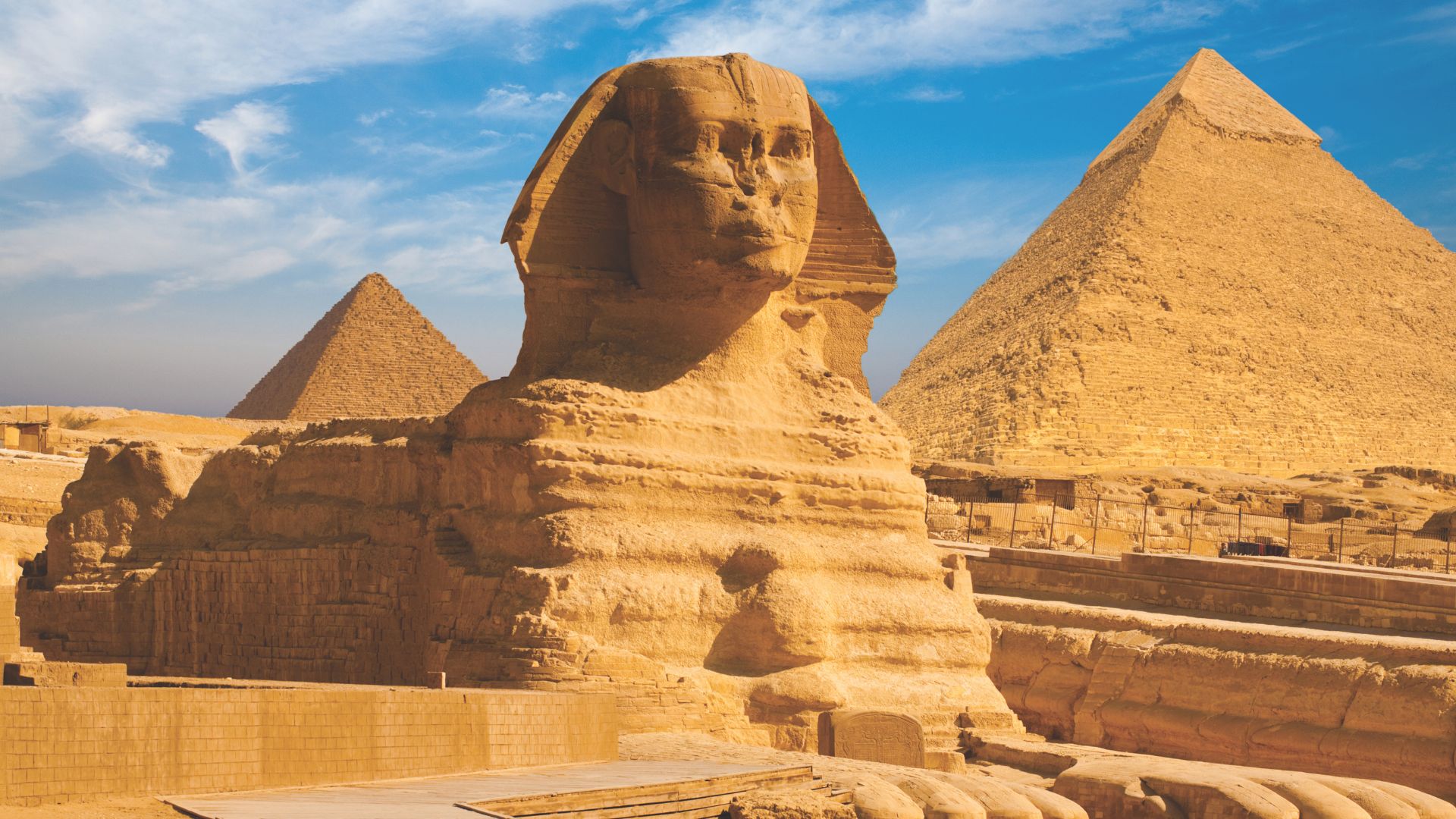
- Pyramids, The stone cities. Teotihuacan, whose name, language and builders are all unknown and where no evidence of a king has been found for a city of 150,000 people. Monte Albán, Palenque, Chichén Itzá, Uxmal, El Tajín and Cholula. The largest facet on the photographic side, and the oldest.
- Hieroglyphs, The writing system, its use and its decipherment.
- Museums, Where the objects live now, which is the facet that carries provenance because provenance is a question about location. The Ishtar Gate reassembled in Berlin, the British Museum Assyrian galleries, the Louvre Khorsabad court, the Iraq Museum in Baghdad, Penn, ISAC in Chicago, the Sulaymaniyah Museum. Galleries, storerooms, conservation labs and the labels themselves. Every object here from the Metropolitan carries its accession number and the museum's own credit line, so a viewer can see how it was acquired rather than only that it is held.
- Excavation, The digging itself, then and now. Botta at Khorsabad and Layard at Nimrud and Nineveh in the 1840s, Rassam, Koldewey at Babylon, Andrae at Assur, Woolley at Ur with Agatha Christie and Max Mallowan on site, and current work at Girsu with Iraqi teams. Much of the best material here is not photography at all but the great nineteenth-century published folios, engraved and printed before cameras could do the job, which record objects that were later lost, damaged or dispersed.
- Egyptology, The discipline itself and how it was built, including as an instrument of extraction.
- Fayum, The Fayum region and the painted mummy portraits that carry its name.
- - Egyptian Family (Sketch for "The Battle of the Pyramids"). In 1810, Gros exhibited a massive painting of Napoleon at the 1798 Battle of the Pyramids, one of the rare French triumphs in the failed campaign to conquer Egypt (1789-1801). After Napoleon first fell from power in 1814, the painting went into storage, until the new king Louis-Philippe chose to resurrect it for a history.
- - Tavole che ritraggono il partimento inferiore della medesima tavola 87, fin dove comincia la. A record from the temple architecture of dynastic Egypt. Commons dates the file to 1832.
- - Fig. 1. Tolomeo-Epifane fa offerte a Filadelfo e Arsinoe. Fig. 2. Tolomeo-Euergete II dinnanzi. * Keywords: Horus of Edfu [Idfû]; Ptolemy V Epiphanes, King of Egypt. The image is catalogued to 1832.
- - Serie di scene della tomba medesima, che figurativamente rappresentano le cerimonie del. * Keywords: Opening of the mouth; Bîbân el-Mulûk (Egypt).
- - David Roberts Luxor statue. A colossal statue at the entrance to the Temple of Luxor.
- - WELLSTED(1838) p2.478 MOUNT SINAI. The Egyptian deserts, oases and Sinai, desert record 7.
- - Medamud. Temple of Montu. Figure in front of the ruin of the gate of Tiberius, seen through. A record from the archaeology of Egypt and its recording. Commons dates the file to 1839.
- - Medamud. Temple of Montu. High relief with statue of Seti II on a separate block label. A record from the archaeology of Egypt and its recording.
- - Medamud. Temple of Montu. The dromos, seen from the east label QS:Len,"Medamud. Temple of. The archaeology of Egypt and its recording. The image is catalogued to 1839.
- - Medamud. Temple of Montu. Man and two children, sitting in front of the columns of the portico. The archaeology of Egypt and its recording, excavation record 4.
- - Medamud. Whitewashed Coptic pottery label QS:Len,"Medamud. Whitewashed Coptic pottery" label. Coptic Christianity in Egypt, coptic record 3.
- - Medamud. Fragments of Coptic pottery decorated with low and high relief 01 label. The archaeology of Egypt and its recording, excavation record 2.
- - Marilhat Prosper Georges Antoine Ruines De La Mosquee Du Calife Hakem Au Caire. Held on Wikimedia Commons, it documents the mosques of Egypt, mosques record 4.
- - Portrait de Jules-Charles Roux (1841-1918), industriel et publiciste, S1777. Auteur(s): Rivière, Théodore Louis Auguste (Toulouse, 13-09-1857 - Paris, 08-11-1912), sculpteur Datation en siècle: 2e moitié du 19e siècle Type(s) d'objet(s): Sculpture Dénomination(s): Statuette Matériaux et techniques: Plâtre, Patine Dimensions - Oeuvre: Hauteur : 38 cm Largeur : 15 cm Profondeur : 18 cm Poids (type. The image is catalogued to 1841.
- - Metjen-mastaba-lepsius. Die Scheintür aus dem Grab des Metjen aus Abusir, während der Lepsius-Expedition 1842-45 in Abusir entdeckt und nach Berlin gebracht, Berlin 1105. The image is catalogued to 1842.
- - St. Catherine (part). Held on Wikimedia Commons, it documents the Egyptian deserts, oases and Sinai, desert record 3.
- - Egypt and Nubia, Volume II: Lateral View of the Temple called The Typhonoeum at Dendera. The temple architecture of dynastic Egypt, temples record 6.
- - Felsentempel bei El Kâb; Kapelle unweit des Felsentempels; Wüstentempel östlich von Redesîeh. The archaeology of Egypt and its recording.
- - Ptolemaeer. Ptol. XVI. Cäsar. Dendera (Dandara)- a. Aeussere Treppe an der Hinterseite der. Greco-Roman Egypt and the Fayum. Commons dates the file to 1849, fayum record 2.
- - Thebe, Medinet Habou, propyleeën van Thoutmoseum Thèbes, Medinet-Habou, Propylées du. Identificatie Titel(s): Thebe, Medinet Habou, propyleeën van Thoutmoseum. Thèbes, Medinet-Habou, Propylées du Thoutmoseum (titel op object). Egypte, Nubie, Palestine et Syrie, (..), 1852 (serietitel) Objecttype: foto Objectnummer: RP-F-00-50 Opschriften / Merken: stempel, recto onder, gestempeld: ‘vosmaer’onderschrift, onder.
- - Ptolemaeer. Ptol. IV. Philopator I. Theben (Thebes)- Dêr el Medînet (Dayr el-Madînah Site).. A record from Greco-Roman Egypt and the Fayum. Commons dates the file to 1849.
- - Eerste cataract bij Aswan, Egypte Sortie de la premiere cataracte (titel op object) 'Egypte,. Identificatie Titel(s): Eerste cataract bij Aswan, Egypte. Sortie de la premiere cataracte (titel op object)'Egypte, Nubie, Palestine et Syrie, dessins photographique receuillis pendant les annes 1849, 1850 et 1851 (..)', 1852 (serietitel) Objecttype: foto Objectnummer: RP-F-AA3384 Opschriften / Merken: opschrift, boven de.
- - Lepsius-Projekt tw 1-1-49. Denkmaeler aus Aegypten und Aethiopien nach den Zeichnungen der von Seiner Majestät dem Koenige von Preussen, Friedrich Wilhelm IV., nach diesen Ländern gesendeten, und in den Jahren 1842-1845 ausgeführten wissenschaftlichen Expedition auf Befehl Seiner Majestät.
- - Neues Reich. Dynastie XIX. XX. Pyramidenfeld von Saqâra (Saqqârah), Grab 27 (NYPL. The pyramid field of the Old Kingdom, pyramids record 2.
- - Neues Reich. Dynastie XVII. El Kab (el-Kab), a - d Grab 3; e. f. Grab 7 (NYPL b14291191-38178). A record from the archaeology of Egypt and its recording. Commons dates the file to 1849.
- - Porte méridionale de la Salle Hypostyle du Palais de Karnac (Thèbes). The 19th-century photographic record of Egypt. The image is catalogued to 1849.
- - Dynastie IV. Pyramiden von Abusir (Abû Sîr Site), Grab 6. (Grabkammer No.1 im K. Museum zu. The archaeology of Egypt and its recording. Commons dates the file to 1849.
- - The Hypostyle Hall of the Great Temple at Abu Simbel, Egypt title QS:P1476,en:"The Hypostyle. The temple architecture of dynastic Egypt. The image is catalogued to 1849.
- - Situationsplan der Ruinen von Diméh (Dîmay) im Faiûm (Fayyûm) (NYPL b14291191-37555). Held on Wikimedia Commons, it documents the archaeology of Egypt and its recording.
- - Neues Reich. Dynastie XVIII. Theben ( Thebes). Grosser Tempel von Karnak- a - g Hintere. A record from the temple architecture of dynastic Egypt.
- - Vue du Village d'Edfou. Held on Wikimedia Commons, it documents the 19th-century photographic record of Egypt. The image is catalogued to 1849.
- - Ptolemaeer. Ptol. IX Euergetes II. a-c. Philae. (a) Im Eingang zu Tempel K; (b.c.) Tempel J;. Greco-Roman Egypt and the Fayum. Commons dates the file to 1849.
- - Altes Reich. Dynastie XII. Inschriften von Benihassan (Banî .Hasan Site) aus Grab 4. 6. 7. A record from the necropolis and its painted burials. Commons dates the file to 1849.
- - Papyrus. Hieratischer Papyrus. No. X. XI. Papyrusfragmente in Phoenicischer Cursivschrift.. The written record of ancient Egypt. The image is catalogued to 1849.
- - Hieratische Inschriften No. 1-5bis. 1. Benihassan. Grab 2. ...; 2. Theben (Thebes). Memnonia.. Held on Wikimedia Commons, it documents the necropolis and its painted burials. The image is catalogued to 1849.
- - Gerf Hussayn - Portico of the Temple LCCN94514511. Title: Gerf Hussayn - Portico of the Temple Abstract/medium: 1 photographic print : albumen. The image is catalogued to 1850.
- - Colossi of Great Temple, Abū Sunbul, Egypt LCCN94514515. Title: Colossi of Great Temple, Abū Sunbul, Egypt Abstract/medium: 1 photographic print : albumen.
- - Moitié de la façade du Spéos d'Athor, à Abousembil (partie méridionale). The 19th-century photographic record of Egypt. The image is catalogued to 1850.
- - Frith, Francis - Suez (Zeno Fotografie). The 19th-century photographic record of Egypt, photography record 2.
- - Egyptian Musicians (Rawabí) and Almée. A record from Egyptian music and its performers, music record 3.
- - Sultan Al-Moayed Mosque, Cairo. Le Magasin Pittoresque, 1853 Le Magasin Pittoresque.
- - TOBIN(1855) p300 SWEET WATERS OF EUROPE. Held on Wikimedia Commons, it documents the Egyptian deserts, oases and Sinai. Commons dates the file to 1855.
- - Entrée du bazar. Manfalout [?] : [photographie] / [Auguste Bartholdi]. Sujet : Manfalût (Égypte) Vues d'architecture -- 1800-1869.
- - The Statues of Memnon. First View., RP-F-F25403-R. Identificatie Titel(s): The Statues of Memnon. First View. Objecttype: foto Objectnummer: RP-F-F25403-R Vervaardiging Vervaardiger: fotograaf: Francis Frith Datering: 1856 - 1859 Fysieke kenmerken: albuminedruk Techniek: albuminedruk Verwerving en rechten Verwerving: overdracht van beheer 1994 Copyright: Publiek domein. The image is catalogued to 1856.
- - Greek tablets at Wady Kardassy - Nubia, RP-F-F25401-V. Identificatie Titel(s): Greek tablets at Wady Kardassy - Nubia Objecttype: foto Objectnummer: RP-F-F25401-V Vervaardiging Vervaardiger: fotograaf: Francis Frith Datering: 1856 - 1859 Fysieke kenmerken: albuminedruk Techniek: albuminedruk Verwerving en rechten Verwerving: overdracht van beheer 1994 Copyright: Publiek domein.
- - Suez Canal Ismailia2. "The freshwater canal at Ismailia" albumen print. Designed by French engineers, it was constructed between 1861 and 1863. Commons dates the file to 1856.
- - The Sphinx and great pyramid. Geezeh, RP-F-F25403-K. Identificatie Titel(s): The Sphinx and great pyramid. Geezeh Objecttype: foto Objectnummer: RP-F-F25403-K Vervaardiging Vervaardiger: fotograaf: Francis Frith Datering: 1856 - 1859 Fysieke kenmerken: albuminedruk Materiaal: fotopapier karton Techniek: albuminedruk Afmetingen: foto: h 157 mm × b 224 mm, blad: h 314 mm × b 435 mm.
- - Kolos bij de toegangsweg tot de tempel van Wadi es-Saboea, Egypte, RP-F-1999-97. Identificatie Titel(s): Kolos bij de toegangsweg tot de tempel van Wadi es-Saboea, Egypte Objecttype: foto stereofoto Objectnummer: RP-F-1999-97 Opschriften / Merken: inscriptie, recto linksonder bij foto links: ‘Frith 314’ (in het negatief), inscriptie, verso, gedrukt in zwarte inkt: ‘314 / VIEWS IN EGYPT AND NUBIA. / The. Commons dates the file to 1856.
- - Koum Ombo. Near View., RP-F-F25401-E. Identificatie Titel(s): Koum Ombo. Near View. Objecttype: foto Objectnummer: RP-F-F25401-E Vervaardiging Vervaardiger: fotograaf: Francis Frith Datering: 1856 - 1859 Fysieke kenmerken: albuminedruk Techniek: albuminedruk Verwerving en rechten Verwerving: overdracht van beheer 1994 Copyright: Publiek domein. Commons dates the file to 1856.
- - The colonnade - Island of Philae, RP-F-F25401-K. Identificatie Titel(s): The colonnade - Island of Philae Objecttype: foto Objectnummer: RP-F-F25401-K Vervaardiging Vervaardiger: fotograaf: Francis Frith Datering: 1856 - 1859 Fysieke kenmerken: albuminedruk Techniek: albuminedruk Verwerving en rechten Verwerving: overdracht van beheer 1994 Copyright: Publiek domein.
…and 3,868 more moments.
Full text archive: /loreline-text/egypt.md