Kid Blue — Louise Goffin
JUL 01 1979 · 12:00
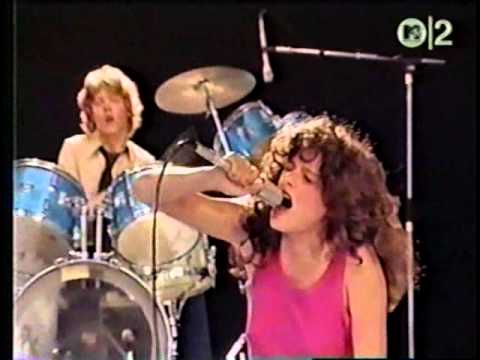
Kid Blue — Louise Goffin (1979) Era: Late 1970s Singer-Songwriter / Early MTV Pre-Era (1979) - A rare surviving promotional clip from the pre-MTV era, documenting a teenage Elektra/Asylum debut artist navigating the transitional moment between 1970s singer-songwriter culture and the imminent video age. High preservation priority as a confirmed 1979 pre-MTV promotional document — an extremely rare survival format. The video's single-take, 182-second unedited structure and absence of post-production make it an invaluable primary source for the study of music video's pre-institutionalised era. Combined with its provenance within the Carole King / Gerry Goffin family legacy and the Elektra/Asylum catalog, this clip offers significant cross-disciplinary value for music historians, archivists, and pop culture researchers. Context: This video documents Louise Goffin at the very outset of her solo career, as a teenager signed to Elektra/Asylum — the premier label of the Laurel Canyon singer-songwriter movement. Released in 1979, the year of the Knack's breakthrough and the New Wave's commercial arrival, Goffin's debut occupied a stylistically conservative space relative to the emerging post-punk landscape. As the daughter of Carole King and Gerry Goffin, Louise carried enormous legacy weight into a market rapidly shifting toward synth-pop and MTV-ready aesthetics. The video's raw, unmediated production style is itself culturally revealing: it predates MTV by two years (launched August 1, 1981) and reflects the era's absence of a codified music video grammar, functioning instead as a performance document. Director notes: Louise Goffin identified this as her first music video in a Facebook Throwback Thursday post. Musicians documented in the video include Mark Towner Williams (drums), Eric Wallengren (bass), the late Bill Olvis (keys), and Curtis Coleman. The album was produced by Danny Kortchmar and released on Elektra/Asylum in 1979. The IMDB lists the video under the year 1979. No cinematographer, director, or production company credit has been located. The single-take, 182-second runtime with no editorial cuts strongly suggests a live performance capture rather than a scripted production, consistent with low-budget late-70s artist promo practices.
Source: radarchive.org
Part of RAD Archive · Watch in the documentary