Leah Andreone - It's alright, it's OK
JUL 01 1996 · 12:00
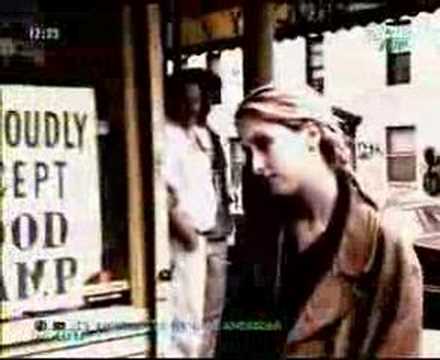
Leah Andreone - It's alright, it's OK (1996) Director: Liz Friedlander Era: Mid-90s Alternative Pop / Lilith Fair Era (1996) - Peak period of female-fronted alterna-pop on major labels, characterized by introspective songwriting, RCA-backed singer-songwriters, and rapid MTV rotation for adult-alternative crossover singles. High curatorial value as a confirmed early-career Liz Friedlander directorial work predating her MTV VMA-winning mainstream period. Documents the mid-90s Lilith Fair aesthetic at the moment of its mainstream commercial integration, with quantifiable production metrics (114 cuts, 1.97s avg shot, warm CT 2.23) that can anchor comparative analyses of period editing and cinematography conventions. The single's documented international chart performance makes this a useful case study for cross-market female alterna-pop promotion in the pre-streaming era. Context: Released in 1996 via RCA/BMG Entertainment, 'It's Alright, It's OK' arrived during the commercial apex of female-fronted alterna-pop, a moment defined by the Lilith Fair movement and label investment in introspective women singer-songwriters. Andreone's debut album Veiled performed particularly strongly in France and charted in the US, Europe, and Australia, with the single peaking at #57 on the Billboard Hot 100. The video's warm, high-contrast, rapidly-edited aesthetic mirrors the MTV mid-90s production vernacular: major-label budgets applied to an indie-adjacent visual language designed to bridge adult-contemporary radio audiences and MTV daytime rotation. The song's lyrical themes, psychological introspection, identity, and resilience, reflect the era's shift away from purely entertainment-driven pop toward confessional, psychology-inflected songwriting. Director notes: Confirmed as director of the 'It's Alright, It's OK' music video by the Music Video Wiki (Fandom), listed with a 1996 production year, consistent with the single's release timeline on RCA/BMG Entertainment. The video was produced during Friedlander's early career phase, when she was building her music video portfolio in the mid-1990s. The quantitative profile, 114 scene changes, 1.97s avg shot length, warm tungsten color temperature, and moderate motion, is consistent with Friedlander's documented mid-90s MTV aesthetic: performance-anchored hybrid narratives with theatrical staging and brisk editorial rhythms.
Source: radarchive.org
Part of RAD Archive · Watch in the documentary