The Carpenters — Rainy Days And Mondays
JUL 01 1971 · 12:00
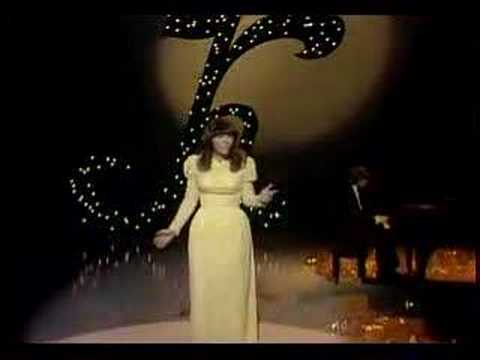
The Carpenters — Rainy Days And Mondays (1971) Era: Early 1970s Soft Pop Promotional Era (1971) - Pre-MTV promotional film clip era; broadcast television and variety show promotion dominated; no dedicated music video industry yet existed Exceptionally high archival value as a near-unedited, single-take performance document from a culturally significant artist at the height of their commercial power. The total absence of editorial intervention (0 scene changes across 214.96 seconds) renders this an unusually pure audio-visual record of Karen Carpenter's performance presence. For preservation archives, the warm analog color temperature, low brightness, and film-grain texture constitute a precise calibration benchmark for early 1970s American broadcast promotional film stock. Context: Released in May 1971 as the second single from the Carpenters' self-titled third album, 'Rainy Days and Mondays' arrived at a pivotal moment in American pop — the counterculture was fracturing, and a large adult audience was actively seeking melodically conservative, emotionally resonant music. Written by Paul Williams and Roger Nichols, the song's sparse arrangement was a deliberate production choice to foreground Karen Carpenter's voice. The promotional clip reflects the period's ethos: understated, non-theatrical, trusting the song entirely. The Adult Contemporary chart dominance (4 consecutive #1s for The Carpenters by this point) demonstrates the duo's lock on a demographic largely invisible to rock press but commercially enormous. Director notes: IMDB catalogues this as a Music Video (1971) with Karen Carpenter and Richard Carpenter listed in the cast, but no director is credited in any available public record. In 1971, promotional clips of this type were typically produced by record label in-house teams or television production units without formal director attribution. The Carpenters appeared on NBC-TV's summer replacement program 'Make Your Own Kind of Music' in July 1971, and promotional clips were often produced concurrently with such broadcast commitments. The extreme quantitative profile — 0 scene changes, 214.96s avg shot length, motion score of 2.70 — is consistent with a single-camera locked-off studio performance capture rather than a cinematically directed production.
Source: radarchive.org
Part of RAD Archive · Watch in the documentary