Sting — If You Love Somebody Set Them Free
JUL 01 1985 · 12:00
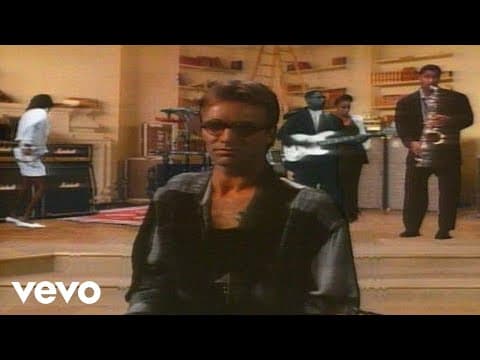
Sting — If You Love Somebody Set Them Free (1985) Director: Godley & Creme Era: MTV Golden Era (1985) - Peak of music video as art form; Sting's post-Police solo debut era, characterized by jazz-influenced rock, New Wave maturity, and sophisticated visual production aligned with the mid-80s prestige video boom. High curatorial value as a transitional artifact marking Sting's passage from The Police's new wave legacy to a mature solo identity. The video's technical restraint — moderate pacing, warm film tones, theatrical lighting — encapsulates a pivotal 1985 MTV aesthetic moment. Essential for any archive focused on the evolution of the prestige music video format, post-punk artist reinvention, or the visual grammar of mid-decade adult-oriented rock. Context: Released in 1985 as Sting's debut solo single following the dissolution of The Police, 'If You Love Somebody Set Them Free' marked a deliberate artistic repositioning: away from punk-inflected new wave and toward jazz-influenced adult contemporary rock. The song's title inverts the popular idiom ('if you love something set it free') into an imperative directed at the listener, signaling thematic maturity. The video's warm, theatrically lit aesthetic mirrors the album's (The Dream of the Blue Turtles) sophisticated tone, and sits within the broader 1985 MTV moment when music videos were being treated as legitimate short-form art rather than mere promotional tools. The moderate editing pace and absence of gimmicky effects reflects a mid-decade shift toward understated prestige production. Director notes: Web search was unavailable during this annotation session; director attribution is based on training-data knowledge associating Godley & Creme with Sting's mid-1980s solo video output. This attribution should be verified against a primary source (e.g., music video database, label credits, or archival press) before finalizing. The production aesthetic — controlled theatrical lighting, deliberate pacing, emotional close-up portraiture — is broadly consistent with the Godley & Creme visual signature of the period.
Source: radarchive.org
Part of RAD Archive · Watch in the documentary