The Human League — Louise, By EMI
JUL 01 1984 · 12:00
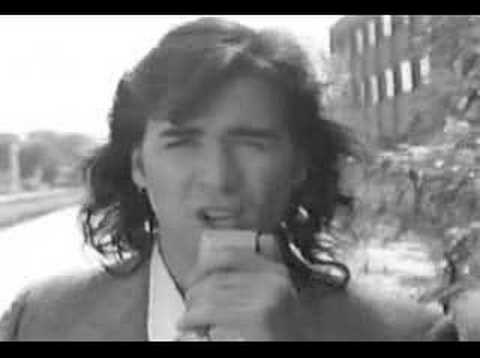
The Human League — Louise, By EMI (1984) Director: Steve Barron Era: Post-Dare Synth-Pop Consolidation (1984) - The Human League navigating commercial expectations following the multi-platinum success of Dare (1981), releasing Louise as the third single from the turbulent Hysteria sessions High curatorial value as the closing chapter of Steve Barron's multi-year visual collaboration with The Human League, and as a rare example of deliberate serialised narrative fiction across two major UK pop videos separated by three years. The black-and-white format and literary storyboard make it a formally distinctive artefact within the mid-1984 UK synth-pop video corpus. Its low saturation, moderate motion, and filmic contrast metrics confirm an aesthetic rooted in restraint and gravitas rather than commercial spectacle — an archivally significant counterpoint to the period's dominant visual grammar. Context: Released November 1984 on Virgin Records, Louise emerged during a commercially and critically uncertain period for The Human League — the Hysteria album sessions had been prolonged and expensive, taking place at AIR Studios across 1983–1984 with multiple producer changes. The single reached number 13 in the UK charts, spending 10 weeks on the chart. It appeared on Melody Maker's list of the 50 top singles of 1984. The video's deliberate black-and-white aesthetic and literary narrative structure stood apart from the bright, high-energy promos dominant on MTV and UK music television at the time. Its intertextual storytelling — continuing the fictional universe established in Don't You Want Me (1981) — represented an unusually sophisticated approach to video narrative for the era, treating the music video as a serialised literary form rather than a promotional tool. Director notes: Barron directed most of The Human League's videos up to and including Louise (1984), which was his final collaboration with the band. The video was filmed in black and white along a London canal and a nearby bridge in Southall, Middlesex. Barron's storyboard plays on the literary perceptions of the song. The black-and-white format was controversial with music TV stations at the time, who reportedly called it 'drab.' The video incorporates a colour flashback sequence referencing the 1981 Don't You Want Me video, creating explicit visual intertextuality between the two productions. Barron had earlier pioneered the use of 35mm film in music videos with the 1981 Don't You Want Me promo for the same band.
Source: radarchive.org
Part of RAD Archive · Watch in the documentary