Orchestral Manoeuvres In The Dark — (Forever) Live And Die
JUL 01 1986 · 12:00
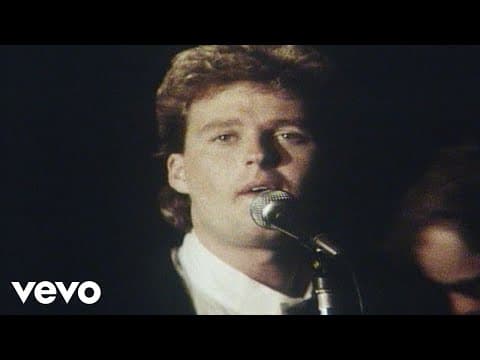
Orchestral Manoeuvres In The Dark — (Forever) Live And Die (1986) Director: Leslie Libman & Larry Williams Era: Mid-Period Synth-Pop Maturation (1986) - OMD's commercial apex, bridging post-punk electronic experimentalism and polished MTV-era pop production during the peak of the British synth-pop export boom. A high-value archival document capturing OMD at their peak commercial moment, with confirmed directorial provenance, precisely documented Liverpool locations, and rare mixed-format production methodology. The video's warm, muted aesthetic — quantifiably distinct from neon-saturated contemporaries — and its status as the first promo featuring the expanded six-piece lineup make it an essential artefact for both synth-pop genre history and British music video production studies. Context: Released on 28 August 1986 as the lead single from OMD's seventh studio album The Pacific Age, '(Forever) Live and Die' arrived during a pivotal transitional moment for British synth-pop — the genre was consolidating its global commercial reach via MTV while simultaneously being critiqued for abandoning its experimental roots. The single peaked at No. 11 on the UK chart and entered the top 10 in Canada and several European countries, demonstrating OMD's sustained cross-Atlantic appeal in the year they had already scored a US top-five hit with 'If You Leave.' The Liverpool-set video grounds a polished international pop product in the band's northern English identity, while the lo-fi 8mm and TV-re-film techniques inject an artisanal texture at odds with the era's increasingly digital production values. Director notes: The promo was directed by Lesley Libman and Larry Williams and filmed on location in and around Liverpool, including Hoylake beach, the Mersey ferry, and interior shots at the Adelphi Hotel. Production employed mixed analogue formats — 8mm film and re-filmed footage from a television screen — techniques that account for the video's characteristic grain, warm colour bleed, and low-contrast aesthetic. This was the first OMD promo to feature the band in its expanded six-piece configuration. The Libman/Williams team were active across the British and American new-wave/synth-pop promo circuit in 1986, with contemporaneous credits including Heaven 17's 'Trouble' and Michael McDonald's 'Sweet Freedom' the same year.
Source: radarchive.org
Part of RAD Archive · Watch in the documentary