Daryl Braithwaite — Let Me Be
JUL 01 1989 · 12:00
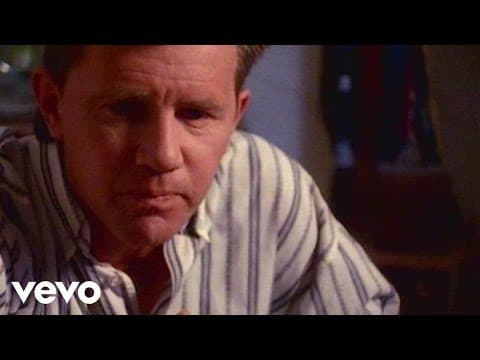
Daryl Braithwaite — Let Me Be (1989) Era: Australian Adult Contemporary Boom (1989) - Peak of post-Sherbet solo resurgence; aligned with the CBS/Sony-backed 'Edge' album campaign that reached #1 on the ARIA Albums Chart High documentary value as a primary promotional artefact from Australia's most commercially successful adult contemporary album of 1989. The video's blending of colour and black-and-white footage, warm amber-toned palette, and unhurried editorial rhythm provide a precise aesthetic fingerprint of late-80s Australian CBS clip production. Essential contextual material for any archive covering the ARIA era, Australian music television history, or Braithwaite's career arc from Sherbet-era pop idol to mature solo artist. Context: Released in April 1989 as a single from the album 'Edge' (1988, CBS Records Australia), 'Let Me Be' arrived during Daryl Braithwaite's celebrated comeback after his years fronting Sherbet (1970–1984) and The Sherbs. 'Edge' reached #1 on the ARIA Albums Chart for three weeks and was certified 3× platinum by October 1989, its success partly inspired by the commercial revival of Australian adult contemporary pop led by John Farnham. The song's lyrical theme — a plea for freedom and identity — resonated with a maturing audience that had grown up with Braithwaite as a 1970s teen idol. The video's warm, grounded visual register and its blending of monochrome and colour footage align with the late-80s Australian television clip aesthetic, produced in an era when CBS/Sony were investing in polished but modestly budgeted promotional material for the domestic market. Director notes: The single 'Let Me Be' was released in April 1989 from the album 'Edge' (CBS Records Australia, 1988). A 12" single Discogs entry notes a live performance recorded for MTV at Channel 9 Studios, Sydney on 25 February 1989 (Discogs release r13583364), indicating MTV Australia involvement in the promotional campaign. The music video itself incorporates both black-and-white and colour footage to invoke a nostalgic narrative tone, per an independent archival noting at cinemacats.com (1989 entry). No video director credit appears on any available release documentation.
Source: radarchive.org
Part of RAD Archive · Watch in the documentary