Montell Jordan - This Is How We Do It
JUL 01 1995 · 12:00
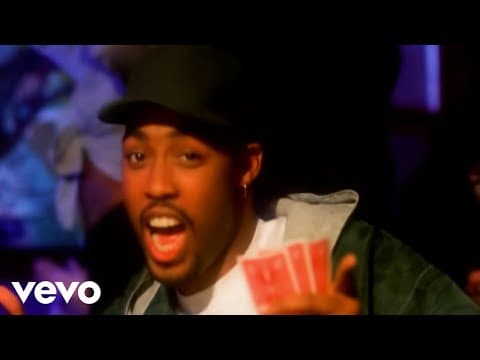
Montell Jordan - This Is How We Do It (1995) Director: Hype Williams Era: Mid-90s Hip-Hop Soul Era (1993–1997) - The crossover golden age of R&B and hip-hop on Def Jam, marked by swing-influenced production, South Central LA party aesthetics, and cinematic music video ambition. An essential Tier 1 archive entry representing the convergence of hip-hop soul's commercial apex, Def Jam's genre diversification, and Hype Williams' early directorial voice. The video's party-realism aesthetic, warm low-light cinematography, and community-centered mise-en-scène make it a primary document of mid-90s Black cultural production. Its chart, critical, and cultural legacy, including Grammy nomination, seven weeks at Billboard #1, and RIAA platinum certification, places it among the most historically significant music videos of the decade. Context: Released in February 1995, 'This Is How We Do It' was Def Jam Recordings' first R&B single and became a defining artifact of the hip-hop soul era. The song is an explicit tribute to South Central Los Angeles party culture, arriving at the peak of hip-hop's mainstream crossover into pop radio. It displaced Madonna from the Billboard Hot 100 #1 spot and held the position for seven consecutive weeks. Directed by Hype Williams, who was simultaneously defining the visual grammar of 1990s Black music culture, the video's party-realism aesthetic reflects a deliberate grounding in community and celebration rather than aspirational excess, consistent with the song's lyrical ethos. The single was also Def Jam's first foray into R&B, marking a significant institutional shift for one of hip-hop's flagship labels. Director notes: The music video for 'This Is How We Do It' was confirmed as directed by Hype Williams across multiple reliable sources (Wikipedia, IMDb, IMVDb). The video is set primarily at a house party with people mingling, featuring Montell Jordan singing and dancing at the party, performing with back dancers on a soundstage, and later in a booth setting. Released in 1995 for Def Jam Recordings as the lead single from Jordan's debut album. The quantitative metrics, dark brightness (48.9/255), warm color temperature (2.21), and elevated but not maximal saturation (144.95), are consistent with Williams' pre-fisheye-maximalism period, when his style was more grounded in naturalistic party environments rather than the hyper-saturated surrealism he would later adopt. The fast average shot length (2.51s) and 93 scene changes over ~3:53 reflect the energetic multi-locale cutting Williams employed in his early-to-mid 90s work.
Source: radarchive.org
Part of RAD Archive · Watch in the documentary