En Vogue — Give It Up, Turn It Loose
JUL 01 1992 · 12:00
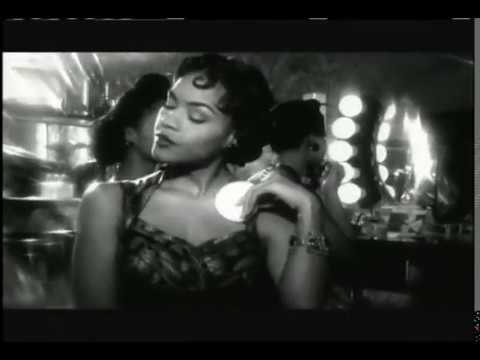
En Vogue — Give It Up, Turn It Loose (1992) Director: Marcus Nispel Era: New Jack Swing & R&B Golden Age (1992) - Peak era of Eastwest/Atlantic prestige R&B production; En Vogue at commercial apex following Funky Divas breakout, fourth single from the LP cycle High-value archival artifact representing the convergence of prestige R&B vocal performance, period-concept visual storytelling, and a director at the height of his music video craft. The video's deliberate invocation of 1960s Black cultural spaces, combined with technically accomplished low-key cinematography and kinetic editing, makes it an exemplary document of the 1992 R&B video moment. Its Grammy-nominated song and confirmed directorial provenance elevate it to Tier 1 status for cultural preservation. Context: Released November 12, 1992 as the fourth single from En Vogue's landmark album Funky Divas on Eastwest Records, this video arrives at the commercial and critical zenith of the group's early career. The 1960s Harlem beauty parlor aesthetic functions as a deliberate cultural reclamation—positioning Black femininity, community space, and oral tradition within a glamorous, historically grounded visual frame. The song's title references James Brown's 1969 'Give It Up or Turnit a Loose,' anchoring the track in a lineage of Black vernacular empowerment rhetoric. The video's near-monochromatic palette evokes the visual language of period civil-rights-era photography, lending the clip a gravitas beyond its pop context. The 1994 Grammy nomination for Best R&B Performance by a Duo or Group with Vocals further cemented its cultural standing. Director notes: Confirmed via IMDb (tt8702732) and Wikipedia as director of this 1992 clip. The video deploys a retro-period concept set in a stylized 1960s Harlem beauty parlor, filmed on Hollywood Boulevard east of Highland Avenue. It opens with a man exiting a car, then cuts to the group performing amid city-life vignettes. The near-monochromatic palette, warm practical lighting, and fast-cut editing are consistent with Nispel's signature aesthetic noted by IMDb: use of 'harsh washed out color tones' in his music video work. The clip's period design aligns with Nispel's broader practice of high-concept narrative framing within performance videos during his early-90s peak output period alongside C+C Music Factory, Janet Jackson, and George Michael.
Source: radarchive.org
Part of RAD Archive · Watch in the documentary