Aztec Camera — Somewhere In My Heart
JUL 01 1988 · 12:00
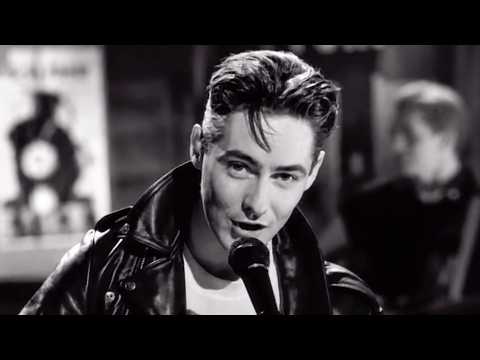
Aztec Camera — Somewhere In My Heart (1988) Director: John Scarlett-Davis Era: Late Second British Invasion / UK Pop Mainstream (1988) - Peak of polished, hook-driven British guitar-pop crossover, bridging post-punk jangle with commercial AOR gloss. High curatorial value as a confirmed, fully documented 1988 UK pop artefact representing a rare successful fusion of post-punk guitar identity and commercial mainstream production. The confirmed director-producer-production house chain (Scarlett-Davis / Nick Verden / Radar Films) makes this a useful anchor for research into late-80s UK music video infrastructure. The video's muted warmth and fast-cut performance structure are exemplary of the period's dominant broadcast aesthetic, and the song's cultural longevity — remaining in use in film soundtracks decades later — reinforces its archival significance. Context: Released on 11 April 1988, 'Somewhere in My Heart' arrived at a moment when Scottish and British indie acts were achieving significant mainstream UK chart success. Taken from Aztec Camera's third album Love (1987), produced by Michael Jonzun, the single reached number three on the UK Singles Chart and held a chart position for eleven weeks, earning a silver certification for sales exceeding 200,000 units in the UK. It also cracked the top ten in Ireland and reached number eleven on the Eurochart Hot 100. The track exemplifies the late-80s commercial broadening of post-punk guitar pop, absorbing American AOR production values while retaining a distinctively British lyrical register. Roddy Frame himself considered the song an outlier in his catalogue, almost relegating it to B-side status. Director notes: The music video for 'Somewhere in My Heart' was directed by John Scarlett-Davis and produced by Nick Verden for Radar Films, as confirmed by Wikipedia and IMDb. It was released in 1988 alongside the single. Scarlett-Davis directed several other Aztec Camera videos, including 'Good Morning Britain' (1990), 'The Crying Scene', and 'Spanish Horses' (1992), indicating an ongoing creative relationship with the band.
Source: radarchive.org
Part of RAD Archive · Watch in the documentary