Richard Ashcroft - Science Of Silence
2003
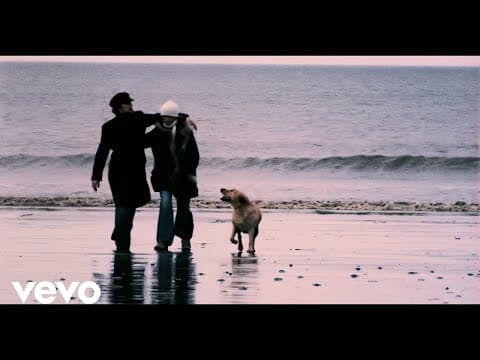
Richard Ashcroft - Science Of Silence (2003) Director: Tim Royes Era: Post-Britpop Solo Era (2002–2003) - Richard Ashcroft's second solo album cycle, reflecting an introspective, cinematic direction following The Verve's dissolution; beach-set visual language echoes the brooding romanticism of early-2000s British rock singles. A high-value archival document at the intersection of post-Britpop legacy, early-2000s British rock visual culture, and the career of the late director Tim Royes, one of the UK's most prolific music video directors of the period. The video's restrained, naturalistic production and technically notable fast-cut editing over a contemplative ballad make it a useful comparative text for studies of tempo-counterpoint in music video editing. Context: Released in January 2003 as the second single from Richard Ashcroft's album Human Conditions (2002), 'Science of Silence' arrived during a transitional moment in British rock, post-Britpop's commercial peak had passed and the UK market was pivoting toward garage rock's revival (The Strokes, The White Stripes gaining traction) and nascent post-rock influences. Ashcroft, as former frontman of The Verve, occupied a legacy-artist space: critically respected but commercially navigating a more fragmented landscape. The beach-set video, shot in November's bleak UK winter light, reinforces a tone of solitary introspection culturally aligned with the reflective mood of early-2000s British singer-songwriter output. The single reached No. 14 in the UK Singles Chart. Director notes: Directed in late 2002; the video was filmed at the beach on 27 November 2002, per Wikipedia. Released as the official video for the single issued 6 January 2003 on Virgin Records. The video was edited by Mark Alchin, per IMVDb. The production was released commercially on an Enhanced CD format that included the video in.mov format, produced via Abbey Road Interactive. The single was produced by Chris Potter and Richard Ashcroft, and published by EMI Music Publishing.
Source: radarchive.org
Part of RAD Archive · Watch in the documentary