LL COOL J — The Boomin' System
JUL 01 1990 · 12:00
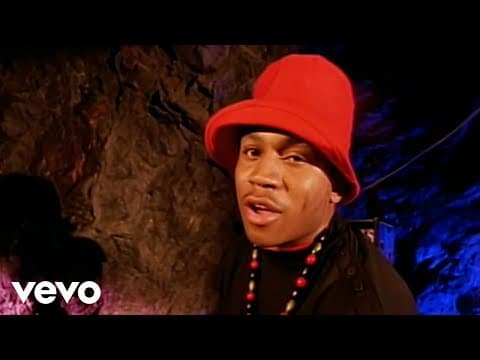
LL COOL J — The Boomin' System (1990) Director: Lionel C. Martin Era: Golden Age Hip-Hop (1990) - Peak era of New York street rap; Def Jam's commercial ascent intersecting with raw block-level aesthetics and the emergence of hip-hop as a dominant mainstream force. High archival value as a confirmed-directed, commercially significant Golden Age hip-hop video documenting street aesthetics, fashion, and intra-genre cultural dialogue at a formative moment for the medium. Directed by a pioneering Black director whose career is increasingly recognized as foundational to the visual language of hip-hop, this video is an essential reference point for researchers studying the transition from live-performance clip to narrative video in rap culture. Context: Released August 2, 1990, 'The Boomin' System' arrived at a pivotal crossroads for hip-hop: the genre was consolidating commercial viability via Def Jam while retaining its street-credibility roots. LL Cool J's fourth album cycle represented a deliberate reestablishment of his hardness after perceived softening with 'I Need Love.' The song's subject — car audio systems as neighborhood status symbols — was a hyperlocal New York street signifier with pan-urban resonance. Produced by Marley Marl and sampling James Brown's 'The Payback' and 'Funky Drummer' alongside Public Enemy's 'Bring the Noise,' the track is a document of intra-genre dialogue and the sample-based production ethos defining the era. The video's visual language, helmed by Lionel C. Martin — himself a Queens native and foundational figure in hip-hop visual culture — reinforces authenticity through practical locations and unadorned performance. Director notes: Confirmed on IMDb (imdb.com/title/tt9652728/) as director of this 1990 music video. The video was produced in alignment with the August 2, 1990 single release on Def Jam Recordings. The clip's street-realist aesthetic is consistent with Martin's documented approach of conducting thorough location scouting and shooting in authentic urban environments to give hip-hop visuals genuine cultural grounding rather than manufactured backdrops. Martin's Queens origins share geography with LL Cool J, lending added authenticity to the street-level mise-en-scène. The low-budget constraints Martin routinely worked within in this era — documented in multiple interviews — are reflected in the lean production style and reliance on practical lighting and real locations over studio construction.
Source: radarchive.org
Part of RAD Archive · Watch in the documentary