The Cure - Taking Off
2004
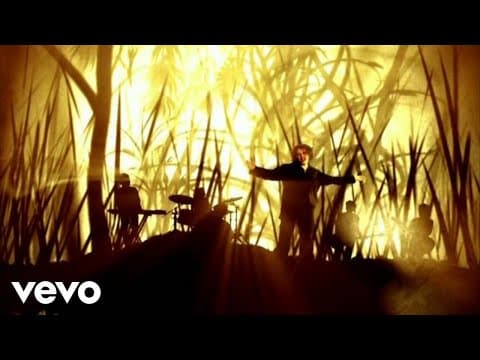
The Cure - Taking Off (2004) Director: The Saline Project Era: Post-Millennial Alternative Revival (2004) - Second single era from The Cure's self-titled Geffen Records debut, positioned within a mid-2000s alt-rock commercial resurgence driven by legacy acts re-entering the mainstream. High. Documents a pivotal commercial and aesthetic transition moment for one of post-punk's most enduring acts, directed by an Emmy-winning collective at the height of their influence. The animated compositing technique and warm-toned departure from The Cure's traditional cold palette make this a visually distinctive artifact of mid-2000s music video craft. Valuable for both Cure-specific retrospectives and broader studies of 2000s alternative rock visual culture. Context: Released October 2004 as the third and final single from The Cure's self-titled twelfth studio album on Geffen Records, the band's first release on that label. The album was co-produced with Ross Robinson, marking a deliberately heavier sonic direction for the band. 'Taking Off' represented a sunnier, more accessible counterpoint on the record, drawing comparisons to the band's 1992 Wish-era sound. The video arrived during The Cure's Curiosa Festival tour, a major North American run that included support acts Interpol, Muse, and Mogwai, positioning the band as elder statesmen of alternative culture while actively engaging new audiences. Director notes: This was The Saline Project's second music video directed for The Cure, following their earlier collaboration. The video features notable animated background elements composited with live band performance footage, a signature technique of the collective's design-forward approach. Produced by Scott Edelstein under HSI Productions (US), released October 2004 in the UK on Geffen Records. Adam Toht cited working with Robert Smith as a standout professional experience, describing Smith as fully embodying the persona listeners expect from his records.
Source: radarchive.org
Part of RAD Archive · Watch in the documentary