The Undertones — Got to Have You Back
JUL 01 1983 · 12:00
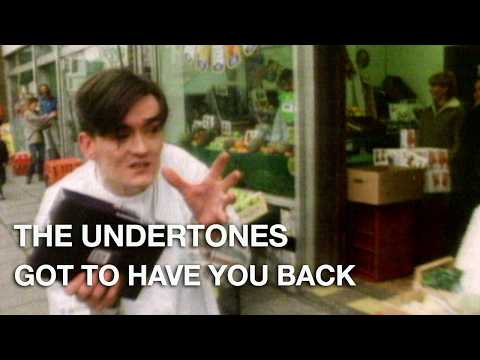
The Undertones — Got to Have You Back (1983) Director: Don Letts Era: Post-Punk Soul Transition (1983) - Late period of The Undertones' original run, marking a deliberate pivot from punk-pop toward Motown and soul influences on their final album The Sin of Pride High curatorial value as a documented artefact of The Undertones' final recording period, directed by a confirmed key figure of UK post-punk visual culture. The video captures a transitional genre moment — punk into soul — and exists within a verified 1984 EMI Picture Music video EP compilation, establishing its institutional preservation precedent. The fast editorial pace, warm analogue palette, and performance-forward aesthetic make it a strong representative example of early-80s UK promo filmmaking. Context: Released in February 1983, 'Got to Have You Back' represents The Undertones' final artistic chapter — a deliberate turn from their punk-pop origins toward Motown and soul, influenced by ABC and Smokey Robinson. The single was a cover of the Isley Brothers' 1967 recording. It was released under mounting commercial pressure from EMI following the band's declining chart performance since Positive Touch (1981). The band would dissolve by mid-1983. Director Don Letts — himself a central figure in the London punk-reggae crossover scene — brought authenticity to UK post-punk promo filmmaking at a moment when the music video was becoming a primary promotional medium through early MTV and UK music television. Director notes: Confirmed via IMVDb (imvdb.com/video/the-undertones/got-to-have-you-back) as director of this 1983 promo. The video was produced during the promotional campaign for The Undertones' final studio album The Sin of Pride (1983) on Ardeck/EMI, and the single was subsequently included in a six-track video EP issued in 1984 by EMI's Picture Music video imprint label (catalogue MVR 9900092). Letts was an active and prolific UK music video director at this time, working across post-punk, reggae, and soul-adjacent acts.
Source: radarchive.org
Part of RAD Archive · Watch in the documentary