Corrosion Of Conformity - Albatross
JUL 01 1994 · 12:00
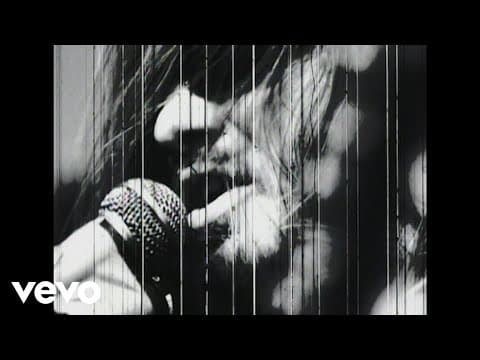
Corrosion Of Conformity - Albatross (1994) Director: Samuel Bayer Era: Mid-90s Heavy Metal Crossover (1994) - Peak MTV hard rock era; stoner/southern metal emerging from post-grunge landscape on major label Columbia Records High curatorial value as a documented artifact of both the mid-90s stoner/southern metal emergence and Samuel Bayer's formative MTV period. The video captures a pivotal genre transition on film, functioning as a primary source document of COC's commercial reinvention, early Columbia Records major-label aesthetics, and Bayer's raw performance-clip methodology before his later, higher-budget work. Its quantitative profile, extreme edit pace, warm saturation, moderate brightness, constitutes a forensically consistent fingerprint of the era's MTV hard rock visual grammar. Context: Released in 1994 on Columbia Records, 'Albatross' marked Corrosion of Conformity's commercial breakthrough and a deliberate stylistic pivot from their hardcore/crossover roots toward a Sabbath-influenced, Southern-inflected heavy metal sound. The video arrived at a moment of genre flux, grunge was commercially dominant, alt-metal was fragmenting, and stoner/doom aesthetics were beginning to surface in MTV's hard rock rotation. COC's signing to Columbia positioned them within the major-label machinery of the era, and Bayer, fresh from defining the visual language of grunge with Nirvana, was an emblematic choice to translate that raw, stage-first energy for a mass audience. The warm, rapid-cut performance clip reinforced the band's live credibility while fitting MTV's mid-90s hard rock format. Director notes: Confirmed via IMVDb (imvdb.com/video/corrosion-of-conformity/albatross) and Music Video Wiki (musicvideo.fandom.com). The 'Albatross' video was released in 1994 as a promotional clip for the lead single off COC's Columbia Records debut, Deliverance. The video's rapid-cut performance aesthetic aligns with Bayer's signature self-shot, vérité style, he is known for personally operating and lighting his cameras on all projects. The warm, high-contrast, low-budget stage feel is consistent with his early-to-mid 1990s work, which emphasized raw energy over high-concept production design.
Source: radarchive.org
Part of RAD Archive · Watch in the documentary