Muse - Supermassive Black Hole
2006
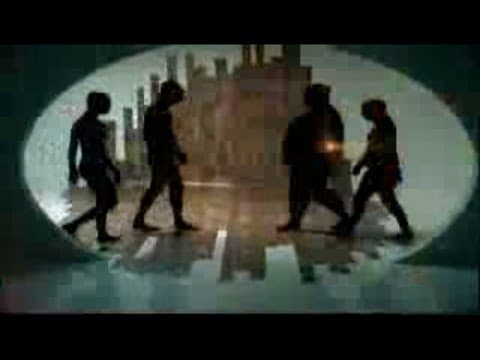
Muse - Supermassive Black Hole (2006) Director: Floria Sigismondi Era: Post-Britpop Alternative Maximalism (2006) - Mid-2000s UK alt-rock crossover into dance-rock and arena spectacle, defined by high-concept visuals and genre fusion at peak music video budgets High curatorial value as a convergence point between one of the decade's most distinctive music video directors and a band at a pivotal genre-defining moment. The video is a rare example of fully realised surrealist concept work within mainstream UK alternative rock, offering rich material for analysis across visual culture, fashion studies, music industry strategy, and the sociology of fan communities. Its enduring recognisability, amplified by the Twilight cultural moment, ensures continued relevance for archival and educational contexts. Context: Released June 2006 as the lead single from Muse's fourth studio album Black Holes and Revelations, 'Supermassive Black Hole' marked a deliberate genre pivot for the band, blending alternative rock with dance beats, funk, and club-influenced production informed by Matt Bellamy's time frequenting New York City clubs. The song reached number four on the UK Singles Chart. Its cultural footprint expanded dramatically after its prominent placement in the 2008 Twilight film, more than doubling its digital download sales within a year. The video's commission of Floria Sigismondi, then at the peak of her art-music-video reputation, signalled Muse's ambition to position themselves within a tradition of high-concept visual art aligned with acts like Marilyn Manson and The White Stripes. Director notes: Filmed in Los Angeles. Muse selected Sigismondi because of their admiration for her distinctive artistic style and surrealist visual sensibility. The concept centres on the band performing in a small furniture shop while wearing printed face masks, intercut with dancers in full-body zentai suits that are unzipped at the end to reveal cosmic/space imagery within. The video is a pure concept piece with no conventional narrative, prioritising identity abstraction and visual spectacle over storytelling. A separate alternate version (Version 2) was directed by Thomas Kirk and consists of a live performance clip.
Source: radarchive.org
Part of RAD Archive · Watch in the documentary