Calvin Harris - The Girls
JUN 04 2007 · 12:00
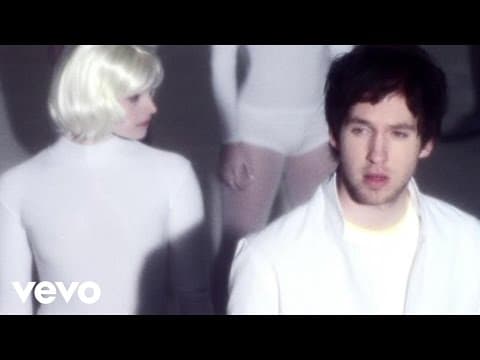
Calvin Harris - The Girls (2007) Director: Kim Gehrig Era: Mid-2000s UK Electropop Breakthrough (2007) - Peak New Rave/Electro House crossover era; pre-streaming UK singles chart dominated by dance-pop hybrids and DIY synth aesthetics High curatorial value as a time-capsule artifact of the 2007 UK electropop moment and an early directorial work by Kim Gehrig, who would become one of the most decorated commercial and music video directors of her generation. Documents the visual grammar of New Rave-adjacent British pop at peak cultural velocity, and captures Calvin Harris before his transformation into a global electronic music brand. Context: Released 4 June 2007 as the second single from Calvin Harris's debut album 'I Created Disco', 'The Girls' arrived during the peak of the UK's New Rave and electropop moment, when acts like Klaxons and CSS were blurring indie and dance music. Harris, a self-producing Scottish artist, represented the DIY end of this spectrum, recording at his home studio in Dumfries. The single reached number three on the UK Singles Chart, marking Harris's commercial breakthrough before his later global superstar status. The video's campy, colourful aesthetic resonated strongly with UK mainstream pop culture of the period, most visibly in its adoption by BBC soap opera EastEnders for the introduction of characters Ronnie and Roxy Mitchell in 2007. Director notes: Directed 'The Girls' in 2007 as part of Calvin Harris's debut album campaign for 'I Created Disco' on Fly Eye/Sony BMG. The video features a group of women in brightly coloured wigs and underwear performing a synchronized dance routine. The production reflects the low-budget, high-concept DIY aesthetic common to UK electropop videos of the era. 'The Girls' represents one of Gehrig's early music video commissions, predating her internationally acclaimed advertising work. The video's comic, theatrical sensibility aligns with Gehrig's later-documented directorial voice: playful, witty, and performance-centred.
Source: radarchive.org
Part of RAD Archive · Watch in the documentary