Talib Kweli - Waitin' For The DJ ft. Bilal
2002
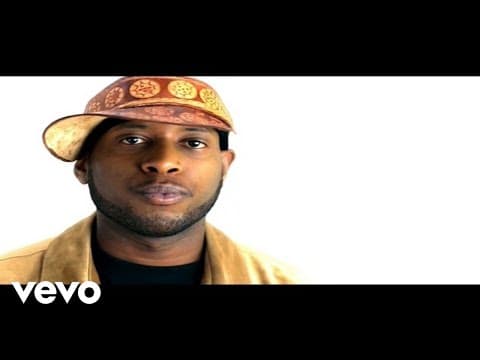
Talib Kweli - Waitin' For The DJ ft. Bilal (2002) Era: Post-Rawkus Underground Hip-Hop Golden Age (2002–2003) - East Coast conscious rap crossover era; underground lyricism meets club-ready production on major indie imprint Rawkus Records High archival value as a documented artifact of the Rawkus Records era and Talib Kweli's transition from ensemble artist (Black Star, Reflection Eternal) to solo identity. The video captures a specific aesthetic moment, warm, low-budget early-digital club visuals, that is underrepresented in hip-hop video archives relative to its cultural influence. The Bilal collaboration also makes this a crossover document between underground hip-hop and the emerging neo-soul movement, useful for scholars of both genres. Context: Released in late 2002 as the lead single from Talib Kweli's debut solo album Quality on Rawkus Records, 'Waitin' For The DJ' arrived at a pivotal moment when underground hip-hop was finding mainstream footholds without compromising lyrical identity. The track samples James Brown's 'Funky President (People It's Bad)', anchoring it in the Black musical continuum while the collaboration with neo-soul vocalist Bilal bridged the hip-hop/soul divide central to the Okayplayer aesthetic. The video's warm, club-saturated visual grammar reflects the song's thesis, the DJ as communal anchor, the club as sacred space, and documents the specific visual language of early-2000s East Coast underground rap before HD production standardized the medium. Director notes: The video was released in 2002 under Rawkus Entertainment LLC in support of the single 'Waitin' For The DJ' / 'Guerilla Monsoon Rap', the second single from Talib Kweli's debut solo album Quality (Rawkus Records, November 19, 2002). No production company, director credit, or behind-the-scenes documentation was located in available indexed sources. An edited version of the music video was catalogued on Apple Music with a listed year of 2004, suggesting a re-release or re-edit occurred after the initial 2002 pressing.
Source: radarchive.org
Part of RAD Archive · Watch in the documentary