Chicago — Stay The Night
JUL 01 1984 · 12:00
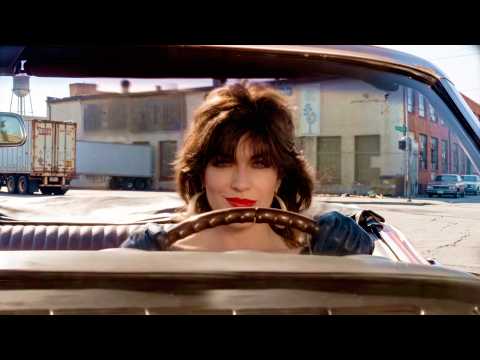
Chicago — Stay The Night (1984) Director: Gil Bettman Era: MTV Golden Age (1984) - Mid-decade pop-rock crossover era, when legacy rock acts pivoted to high-concept, stunt-driven music videos to secure MTV rotation and commercial revival. High curatorial value as a confirmed, director-verified artifact of the early MTV concept-video era, representing a documented inflection point in Chicago's commercial history and a textbook example of label-driven creative strategy succeeding through action-genre video grammar. The production's verified use of location shooting, practical stunts, professional stunt doubling, and three-act narrative structure makes it a primary source for multiple research streams in 1980s popular music visual culture. Context: Released in 1984 as the lead single from Chicago 17, 'Stay the Night' arrived at a pivotal moment when legacy rock acts faced existential pressure to adapt to MTV's visual economy or fade from mainstream relevance. Chicago had seen little MTV traction with earlier, performance-based clips. The car-chase concept — engineered by Warner Bros. creative director Jeff Ayeroff — was explicitly designed to force MTV's hand, and it succeeded: the video became the band's first to receive regular rotation on the channel. The production also reflects the mid-decade blurring of music video and action-TV production cultures in Los Angeles, with Bettman importing stunt coordination, location logistics, and cross-cutting rhythms from his episodic TV background directly into the three-minute video format. Director notes: Bettman directed the 'Stay the Night' video for Chicago in 1984, applying his action-TV stunt grammar to the music video format. The video was filmed in and around the Los Angeles River, with post-production conducted by Red Car Editing in Los Angeles. The production was overseen creatively by Jeff Ayeroff, then creative director at Warner Bros. Records, who conceived the car-chase concept specifically to engineer MTV rotation for the band. The video features a complete three-act narrative structure — unusual for 1984 — with a gas-station opening, extended chase sequence, and twist ambulance ending. A stuntman was used for several scenes according to documented interviews. The video became the first Chicago release to receive regular MTV airplay and is credited with reviving the band's mainstream commercial profile.
Source: radarchive.org
Part of RAD Archive · Watch in the documentary