Bright Eyes - Four Winds
MAR 06 2007 · 12:00
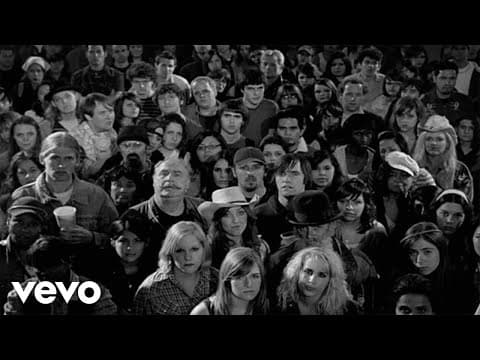
Bright Eyes - Four Winds (2007) Director: Patrick Daughters Era: Mid-2000s Indie Folk-Rock Renaissance (2007) - Peak era of Saddle Creek / Omaha indie scene; alt-country crossover moment preceding the mainstream folk-rock wave of the late 2000s High curatorial value as a time-capsule artifact of the mid-2000s indie folk-rock moment, documenting both the aesthetic sensibilities of the Saddle Creek scene and Patrick Daughters' evolving documentary-performance directorial voice. The video's unique production methodology, recruiting real fans as hostile audience participants, makes it an unusually authentic record of the era's DIY community ethos and Conor Oberst's confrontational artistic persona. Context: Released March 6, 2007, 'Four Winds' arrived at a peak moment for the Omaha indie scene and Saddle Creek Records. The song, and its video, channels mid-2000s American political and cultural anxiety through an alt-country performance lens, with lyrics drawing on W.B. Yeats' 'The Second Coming' and sweeping critiques of organized religion and U.S. foreign policy. The video's state-fair setting and participatory audience hostility literalize the song's thesis about civilization under siege, placing Conor Oberst as a defiant troubadour absorbing the crowd's aggression. Rolling Stone ranked it #5 on their 100 Best Songs of 2007, cementing its status as one of the defining protest singles of the decade. Director notes: Directed for Bright Eyes in 2007 as the lead single video for the Cassadaga album cycle. Filmed in a large tent in Los Angeles' Elysian Park in early February 2007. Bright Eyes fans in the area were recruited via a notice sent out days before filming to participate as extras. Selected extras were directed to heckle and shout obscenities at the band during the shoot; many of these shouts are audible in the final video. The audience was supplied with throwable objects including popcorn, hot dogs, glowsticks, fuzzy dice, cups, and licorice. Multiple objects struck band members during filming; no injuries were reported. The controlled chaos of the shoot directly mirrors the song's themes of societal degradation and confrontation. Produced by Anne Johnson.
Source: radarchive.org
Part of RAD Archive · Watch in the documentary