Outkast - Rosa Parks
1998
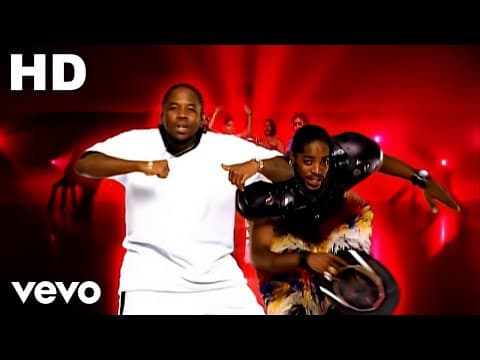
Outkast - Rosa Parks (1998) Director: Gregory Dark Era: Golden Age of Southern Hip-Hop (1998) - Peak late-90s Atlanta rap aesthetic; Outkast's third album Aquemini positioned the duo as genre-defying auteurs blending Southern funk, harmonica-laced soul, and futuristic green-screen spectacle at the apex of LaFace Records' cultural influence. Exceptionally high. One of the defining music video artifacts of the Southern Hip-Hop Renaissance, documenting Outkast at a creative inflection point before their commercial peak. The video's dual aesthetic registers, authentic Atlanta location footage, HBCU cultural signifiers, and meta-narrative framing device make it a primary source for multiple intersecting research domains. Its production history, including the landmark Parks v. LaFace lawsuit and the Vevo Footnotes documentary treatment, has generated substantial secondary documentation, reinforcing its archival depth. Rated Tier 1. Context: Released in 1998 as the lead single from Outkast's landmark third album Aquemini, 'Rosa Parks' arrived during a pivotal moment in Southern hip-hop's national ascendance. The video crystallizes the tension and duality at the heart of Outkast's artistic identity: André 3000's Afrofuturist, avant-garde persona (green screen, cosmic backdrops, surrealist costuming) set directly against Big Boi's grounded Southern street aesthetic (Atlanta parade, HBCU marching band, The Royal Peacock nightclub exterior). The Dungeon Family collective's Atlanta-centric worldview is visually encoded in the parade sequence, while the song itself generated one of hip-hop's landmark legal disputes when civil rights activist Rosa Parks sued Outkast and LaFace Records, a case settled in 2005. The song was Grammy-nominated for Best Rap Performance at the 41st Annual Grammy Awards (1999). Director notes: Confirmed director per IMDb, Wikipedia, IMVDb, and Parks v. LaFace Records court documents. The video was produced by Braddon Mendelson. The parade scene was filmed in front of The Royal Peacock, an iconic Atlanta nightclub. The marching band featured is from Morris Brown College. The video employs a satirical meta-framing device in which the artists discuss ideas for the video via phone call at the start and end. André 3000 is depicted wearing football shoulder pads and tiger-skin pants performing behind a green screen with space-themed CGI backdrops, while a parallel thread features an Atlanta street parade with the Morris Brown marching band. The video's production was later named in the Parks v. LaFace Records lawsuit (2004 refiling), with Gregory Dark and producer Braddon Mendelson named as defendants before being dismissed on grounds of fraudulent joinder.
Source: radarchive.org
Part of RAD Archive · Watch in the documentary