Blur — There's No Other Way
JUL 01 1991 · 12:00
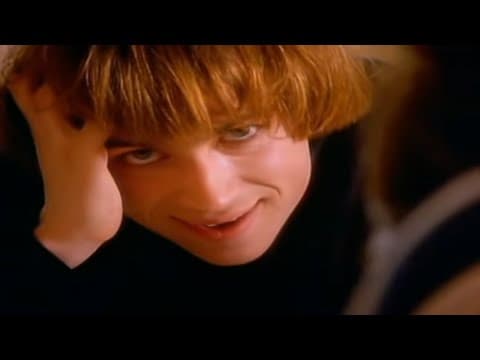
Blur — There's No Other Way (1991) Director: David Balfe Era: Madchester / Baggy Era (1991) - UK indie guitar-dance crossover at its commercial peak; Blur's debut breakthrough as post-punk London youth culture converged with Northern England's rave-influenced baggy sound High. This is the confirmed official UK music video for Blur's commercial breakthrough single, directed by their own label head — a unique convergence of industry and creative roles. It is a primary artefact of the early baggy era's suburban-surrealist visual grammar and an invaluable document of Blur before their Britpop reinvention. The warm-saturated, rapid-cut film aesthetic and darkly comedic domestic staging make it one of the most culturally legible UK indie promos of 1991. Context: Released 15 April 1991 as the second single from Blur's debut album Leisure, 'There's No Other Way' arrived at the tail end of the Madchester/baggy wave that had been ignited by The Stone Roses and Happy Mondays. The UK video — a darkly comic tableau of suburban British domesticity warped by psychedelic filters — encodes early-90s post-Thatcher irony around mundanity and conformity. Notably, director David Balfe was simultaneously Blur's label owner at Food Records, collapsing the distinction between A&R authority and creative collaborator. The song's chart success (UK #8, US Billboard Modern Rock #5) marked Blur's commercial arrival and was later cited by Kurt Cobain as his favourite British song of 1991. Director notes: Balfe directed the UK version of 'There's No Other Way', the second of Blur's first two music videos he helmed (the other being 'She's So High'). The video was produced by Anita Staines through Radar Films. It depicts Blur seated at a traditional British Sunday lunch with a suburban family, building to a psychedelic filter climax. A separate US version was directed by Matthew Amos and featured the band performing in a swimming pool, as the UK cut was considered too surreal for American audiences.
Source: radarchive.org
Part of RAD Archive · Watch in the documentary