Sha Na Na — Born To Hand Jive
JUL 01 1978 · 12:00
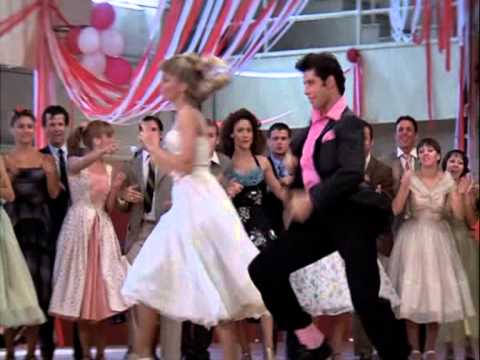
Sha Na Na — Born To Hand Jive (1978) Era: Late 1970s Nostalgia Revival (1978–1979) - Post-Grease theatrical 1950s nostalgia boom; doo-wop and rock-and-roll revivalism at peak commercial visibility following the film's record-breaking theatrical run This video is a high-value cultural preservation artifact documenting one of the definitive performance moments of the 1950s revival era. Its connection to the Grease phenomenon makes it a primary document for researchers studying late-1970s nostalgia culture, theatrical choreography on screen, and the transitional aesthetics between variety-show television and the music video era. The warm, film-stock visual quality and moderate pacing provide a textbook example of pre-digital performance capture, and the hand jive choreography represents a rare mediated record of a vernacular American dance form in its most commercially visible context. Context: Sha Na Na were pioneers of the American 1950s rock-and-roll revival movement, forming in 1969 and reaching mainstream visibility through their appearance at Woodstock. By 1978, their profile was dramatically amplified by their featured role in Grease, the highest-grossing musical film of the era. 'Born to Hand Jive' sits at the intersection of two major cultural currents: the late-1970s nostalgia wave that repackaged postwar teenage Americana for baby boomer audiences, and the disco-era's parallel appetite for communal, choreographed dance. The hand jive itself — a seated or standing hand-and-arm dance originating in 1950s American youth culture — functions here as both an authentic period signifier and a theatricalized spectacle, bridging documentary revivalism and pop entertainment. Director notes: This performance is strongly associated with Sha Na Na's appearance in the 1978 film Grease, in which the group performed 'Born to Hand Jive' as a diegetic dance-contest sequence. It is unclear without sourcing whether this specific video file represents the theatrical film cut, a standalone promotional clip, or a segment from the Sha Na Na television variety series (syndicated 1977–1981). The moderate shot length and warm, stage-lit aesthetic are consistent with either origin. No director can be named without a verifiable source.
Source: radarchive.org
Part of RAD Archive · Watch in the documentary