R.E.M. — Shiny Happy People
JUL 01 1991 · 12:00
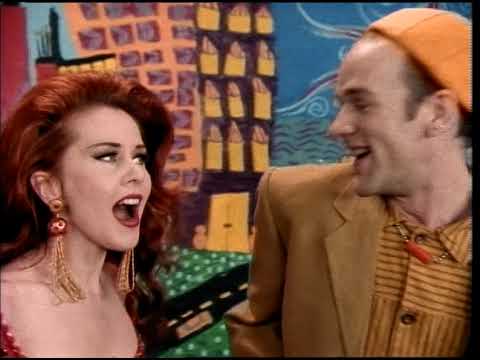
R.E.M. — Shiny Happy People (1991) Director: Katherine Dieckmann Era: Post-Punk Mainstream Crossover Era (1991) - R.E.M.'s commercial breakthrough period, marked by alternative rock's absorption into mainstream pop culture and MTV's dominance as the primary music video distribution channel. High curatorial value as a defining artifact of R.E.M.'s commercial peak and the broader alternative-to-mainstream transition of the early 1990s. The video's warm-saturated, theatrically communal aesthetic — directly informed by a 1948 arthouse film — exemplifies the intellectual and cinematic ambitions that distinguished the era's better-directed music video work. Its cultural afterlife (Sesame Street parody, Grammy-winning album tie-in, critical reclamation debates) makes it a rich primary source for multiple research domains. Context: Released in May 1991 as the second single from R.E.M.'s seventh studio album Out of Time, 'Shiny Happy People' represented a sharp commercial and tonal departure from the band's characteristically introspective alternative rock identity. Reaching No. 10 on the US Billboard Hot 100 and No. 6 on the UK Singles Chart, it became the only R.E.M. single to reach the top 10 in both countries. The song features guest vocals from Kate Pierson of the B-52s — both bands hailing from Athens, Georgia — cementing a regional indie-to-mainstream narrative. The phrase 'shiny happy people' has been linked by some commentators to Chinese propaganda imagery in the aftermath of the 1989 Tiananmen Square massacre, though band members have not publicly confirmed this interpretation. The song's almost aggressive cheerfulness was polarizing: it was later cited on lists of worst-ever songs even as it became one of R.E.M.'s most recognizable tracks, and was notably omitted from their 2003 greatest hits compilation In Time. Director notes: Dieckmann was asked by R.E.M. to direct the video. She drew inspiration from a scene in the 1948 film Letter From an Unknown Woman, directed by Max Ophuls, in which a couple rides a carnival attraction with rotating landscape backdrops that are revealed to be powered by an old man pedaling a stationary bicycle offscreen. This cinephile reference was translated into the video's theatrical backdrop and communal staging aesthetic. Cinematography credited to John Inwood (per Filmaffinity production credits).
Source: radarchive.org
Part of RAD Archive · Watch in the documentary