Saliva - Click Click Boom
2001
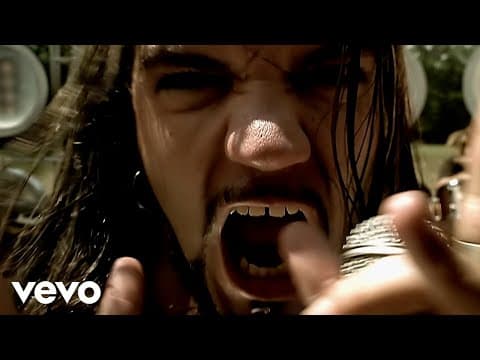
Saliva - Click Click Boom (2001) Director: Marc Klasfeld Era: Nu-Metal Peak Era (2001) - The commercial apex of nu-metal, when rap-rock crossover acts dominated MTV TRL and mainstream rock radio, producing some of the genre's most widely licensed and culturally embedded singles. High. 'Click Click Boom' is among the most culturally embedded nu-metal singles of its era, with documented placement across film, professional wrestling, video games, and post-9/11 media controversy. The video's outsider-to-moshpit narrative arc and rapid-cut production style make it a primary research artifact for the commercial and aesthetic peak of nu-metal video production. Directed by Marc Klasfeld during his formative rock video period, it warrants Tier 1.5 archival status. Context: Released in 2001 as the lead single from Saliva's major-label debut Every Six Seconds, 'Click Click Boom' arrived at the commercial zenith of nu-metal's mainstream crossover. The song peaked at #15 on the Mainstream Rock chart and was later named the 15th-best nu-metal track of all time by Spin (2017). Its cultural footprint extended far beyond radio: it was featured in films including The Fast and the Furious, served as the official theme for WWF No Mercy 2001, and was used in video games including Test Drive Overdrive. Post-9/11, it was placed on the Clear Channel sensitivity memorandum, reflecting the fraught relationship between hard rock content and post-attack American media gatekeeping. Director notes: The video presents a mixed performance-narrative structure: a young male outsider protagonist stumbles into a live-venue moshpit where the band performs, becomes drawn in by a female crowd member, and ultimately joins the pit. The closing image shows him moshing alone in the now-empty space. This narrative arc, the reluctant initiate transformed by the communal energy of rock performance, is a defining storytelling trope of the nu-metal video era. The rapid editing pace (avg. shot length 1.88s, 123 scene changes in ~231 seconds) and warm, high-contrast underlit venue photography are consistent with Klasfeld's early-2000s rock video style.
Source: radarchive.org
Part of RAD Archive · Watch in the documentary