Aztec Camera — The Crying Scene
JUL 01 1990 · 12:00
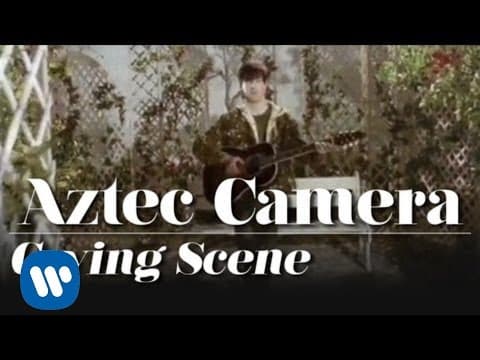
Aztec Camera — The Crying Scene (1990) Director: John Scarlett-Davis Era: Post-New Wave Transition (1990) - Late-period British indie pop at the cusp of the early-90s adult contemporary turn, bridging Roddy Frame's guitar-led songwriting with polished, cinematic production values typical of major-label output on the Sire/WEA roster. High curatorial value as a confirmed, well-documented artifact from a pivotal transitional moment in British pop video history. Director, production company, budget, and filming location are all verified. The video encapsulates the shift from the kinetic visual language of 1980s MTV to the more restrained, emotionally grounded aesthetic that would define early-1990s British pop video production. Rare example of a Scratch Video movement pioneer working within mainstream commercial constraints. Context: Released in 1990 as part of Aztec Camera's fourth studio album 'Stray' on Sire Records, 'The Crying Scene' represents Roddy Frame's mature songwriting voice navigating the commercial crossover between British indie pop and adult contemporary. The band's Glasgow post-punk origins had by this point evolved into a sophisticated, melody-driven pop sensibility. The video's Palace Pictures production pedigree, London filming location, and professionally restrained visual grammar situate it within the prestige end of British music video production at the dawn of the 1990s — a moment when the flamboyance of mid-80s MTV aesthetics was giving way to a more subdued, performance-focused intimacy. Director notes: Confirmed via IMDb (tt12017726) as director and writer of this 1990 UK music video. Filmed in London, England. Produced by Palace Pictures with an estimated budget of £40,000. Runtime listed at 4 minutes. One of at least three Aztec Camera videos Scarlett-Davis directed, alongside 'Good Morning Britain' (1990) and 'Spanish Horses' (1992), suggesting an ongoing creative relationship with the band during this period. The video's low motion score (7.06), warm colour temperature, and moderate editing pace align with Scarlett-Davis's documented preference for controlled, considered visual composition rooted in his editorial background.
Source: radarchive.org
Part of RAD Archive · Watch in the documentary