10,000 Maniacs — Like the Weather
JUL 01 1988 · 12:00
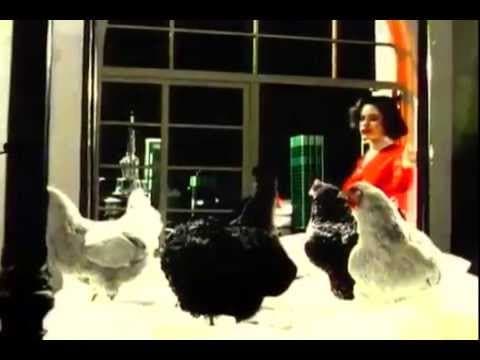
10,000 Maniacs — Like the Weather (1988) Director: Adrian Edmondson Era: Late Reagan-Era College Rock Breakthrough (1988) - Post-punk alternative acts cross from underground college radio onto MTV and mainstream charts, with 10,000 Maniacs achieving their first Billboard entry on the strength of the In My Tribe album cycle. High curatorial value as a documented artifact of the 1987–1989 college rock breakthrough era, featuring confirmed direction by a culturally significant British figure (Adrian Edmondson) whose involvement links the US indie scene to the British alternative comedy milieu. The video's deliberate aesthetic irony — warm, cheerful visuals against melancholic lyrics — makes it an unusually self-aware and teachable example of concept-driven music video production. Represents the band's commercial breakthrough moment and preserves Natalie Merchant's iconic visual presence at the height of the Natalie Merchant-era 10,000 Maniacs. Context: Released in 1988 as the second single from 10,000 Maniacs' breakthrough album In My Tribe (1987), 'Like the Weather' marked the band's first entry on the Billboard Hot 100 (#68) and Album Rock Tracks chart (#37), signalling the mainstreaming of college-radio alternative rock. The Jamestown, NY-formed band, fronted by Natalie Merchant, occupied a culturally distinct space: thoughtful, literary, post-punk adjacent, without the glam excess dominating MTV. The video's direction by British comedian-actor Adrian Edmondson — a figure synonymous with the UK's anarchic alternative comedy scene via The Young Ones — reflects the transatlantic underground cultural exchange of the era. The clip's deliberately cheerful visual tone against despondent lyrics enacts the song's core artistic tension, and situates it within a tradition of irony-forward, low-budget, concept-driven promos that defined indie-to-major crossover aesthetics in the late 1980s. Director notes: Edmondson directed 'Like the Weather' in 1988, one of several music video directing credits he held during this period alongside Hourglass (Squeeze), Prime Mover (Zodiac Mindwarp), and This Town (Elvis Costello). Multiple sources note that his sardonic comedic sensibility informs the visual treatment, placing frontwoman Natalie Merchant in a colorful, upbeat, breezy set that plays in deliberate ironic contrast to the song's morose, melancholic lyric content about depression and inability to get out of bed. The visual cheerfulness vs. lyrical darkness mirrors the song's own musical irony — an upbeat melody set against dour words — a juxtaposition consistent with Edmondson's background in anarchic British alternative comedy.
Source: radarchive.org
Part of RAD Archive · Watch in the documentary