The Communards — Don't Leave Me This Way
JUL 01 1986 · 12:00
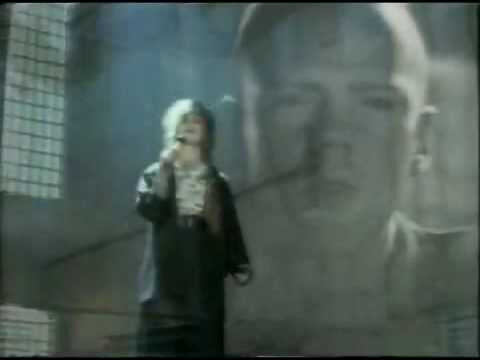
The Communards — Don't Leave Me This Way (1986) Director: Duncan Gibbins Era: Mid-1980s British Synth-Pop & Hi-NRG Peak (1986) - The apex of UK chart-dominating dance-pop, politically charged queer artistry, and the MTV promo-clip as narrative short film Exceptionally high. This video is a primary document of British queer pop culture at its most commercially visible and politically charged, directed by a significant but short-lived 1980s video auteur. Its surveillance narrative, live performance energy, and implicit political allegory make it essential for any archive of 1980s music video, LGBTQ+ cultural history, or anti-Thatcherite popular culture. The confirmed Battersea Power Station location cameo also provides London documentary value. Context: Released in August 1986, 'Don't Leave Me This Way' by The Communards arrived at a moment of acute political tension in the UK: the single was explicitly dedicated to the Greater London Council, the progressive municipal body abolished by Margaret Thatcher's government. The Communards — formed by ex-Bronski Beat frontman Jimmy Somerville and classically trained pianist Richard Coles — were openly gay artists whose music carried an implicit politics of queer visibility. The video's surveillance-and-informant narrative, set in an underground performance space, can be read as an allegory for state persecution of minority communities. The track became the UK's best-selling single of 1986 and topped the chart for four weeks, making it one of the most commercially successful openly queer-coded pop artefacts of the decade. Its Hi-NRG production connected it directly to the gay club circuit that was simultaneously being devastated by the AIDS crisis. Director notes: Confirmed director per IMDB (tt4565204) and FilmAffinity. The video was produced in 1986 for London Records to accompany the UK's best-selling single of that year. Gibbins employs his characteristic story-driven approach: an underground live-performance setting is interwoven with a surveillance/secret-police narrative thread featuring a young male informant in the crowd. An exterior shot of Battersea Power Station appears briefly at approximately 7 seconds in. The climax involves authorities turning spotlights on the band and crowd, forcing dispersal — a politically resonant image given the single's dedication to the GLC. Gibbins' trademark blend of location realism, theatrical lighting, and parallel narrative editing is consistent with his wider 1980s music video output.
Source: radarchive.org
Part of RAD Archive · Watch in the documentary