Orchestral Manoeuvres In The Dark — Talking Loud And Clear
JUL 01 1984 · 12:00
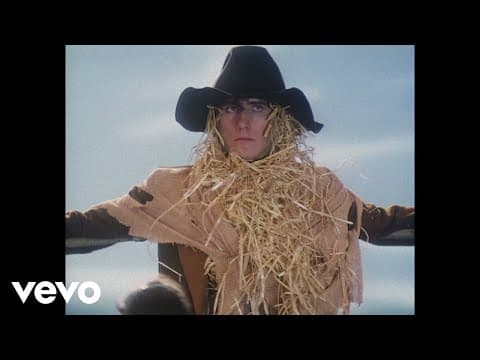
Orchestral Manoeuvres In The Dark — Talking Loud And Clear (1984) Director: Simon Milne Era: New Pop / Synth-Pop Golden Age (1984) - Peak era of British electronic pop crossover, defined by synthesiser-driven melody, art-school aesthetics, and MTV-era visual performance concepts. High curatorial value as a confirmed 1984 artefact from one of British synth-pop's most important acts, directed at the precise commercial peak of OMD's European chart run. The video's theatrical scarecrow concept, restrained cinematography, and pastoral location work offer a visually distinctive counterpoint to the decade's more extravagant promo productions, making it a valuable case study in understated British art-pop visual aesthetics. Its technical metrics — muted palette, low brightness, deliberate editing pace — are textbook signatures of early-1980s UK promo filmmaking on film stock. Context: Released on 4 June 1984 as the second single from OMD's fifth studio album Junk Culture, 'Talking Loud and Clear' arrived at the height of British synth-pop's commercial and artistic peak. The song was built around a Fairlight CMI — a cutting-edge digital sampling instrument — loaded with unconventional sound sources including backwards sleigh bells and acoustic bass samples, exemplifying the era's tension between experimental electronic construction and accessible melodic pop songwriting. The single reached No. 11 in the UK and the Top 10 in Ireland, Belgium and the Netherlands, cementing OMD's status as leading architects of European electronic pop. The scarecrow costuming in the video reflects the art-school theatrical tradition within British new wave, prioritising conceptual imagery over conventional performance presentation — a visual language shared with contemporaries on the Virgin Records roster. Director notes: Per IMDB, the video features band members dressed as scarecrows in what is described as a conceptual performance shoot. The low brightness (64.44/255), muted saturation (75.13), and low motion score (7.42) are consistent with a restrained, location-based production likely filmed on British soil in spring or summer 1984 to coincide with the single's 4 June 1984 release date. The 44 scene changes over 236.16 seconds yield an average shot length of approximately 5.37 seconds — moderate by 1984 MTV standards, suggesting a composed, non-frenetic directorial approach aligned with the song's melodic restraint. The warm colour temperature reading (2.29) is consistent with overcast British daylight or warm tungsten interior fill lighting rather than high-key studio lighting.
Source: radarchive.org
Part of RAD Archive · Watch in the documentary