Shawn Mullins - Shimmer
JUL 01 1999 · 12:00
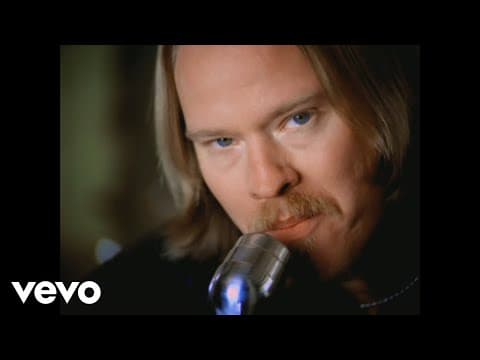
Shawn Mullins - Shimmer (1999) Director: Peter Christopherson Era: Post-Grunge Adult Alternative (1999) - Late-90s singer-songwriter breakthrough era; follow-up single to Grammy-nominated 'Lullaby' on Columbia Records, riding the adult alternative/AAA radio wave at the turn of the millennium High curatorial value as a convergence of several late-90s cultural forces: AAA radio dominance, TV-soundtrack music marketing, international sports event branding, and the career arc of a Grammy-nominated indie-turned-major-label artist. The directorial pedigree of Peter Christopherson, known for avant-garde and industrial video work, applied to mainstream adult alternative material makes this a notable cross-genre artifact. The video's warm realist aesthetic and multi-character narrative structure document a specific mode of VH1-era storytelling rarely preserved in archival collections. Context: Released in 1999 as the follow-up to Shawn Mullins' Grammy-nominated hit 'Lullaby' (from the 1998 album Soul's Core on Columbia Records), 'Shimmer' occupied a meaningful place in late-90s adult alternative culture. The song was included on the soundtrack for the teen drama Dawson's Creek, embedding it in the peak era of TV-soundtrack-driven music discovery. It subsequently gained international prominence when it was used in Australia's promotional campaign for the Sydney 2000 Summer Olympics, becoming regarded as the unofficial anthem of those games. The video, receiving VH1 rotation, advanced a social-justice narrative around racial prejudice and the loss of childhood innocence, themes resonant in the culturally turbulent late Clinton era. Director notes: The 'Shimmer' music video was released in 1999 on Columbia/Sony Records as a follow-up single to Mullins' Grammy-nominated hit 'Lullaby.' The video received airplay on VH1. It depicts the narrative of the song across multiple characters, including a child who turns hateful after experiencing racism, with Mullins also depicted as a child, and the two characters eventually coming together as friends. The rapid intercutting pace (avg shot length 1.70s, 145 scene changes) reflects Christopherson's editorial approach to translating the song's dual-storyline structure into a cohesive visual narrative. The video's warm, naturalistic palette contrasts with Christopherson's more abrasive work for Nine Inch Nails and Rage Against the Machine, demonstrating his range across genres.
Source: radarchive.org
Part of RAD Archive · Watch in the documentary