Fun Boy Three - Summertime
JUL 01 1982 · 12:00
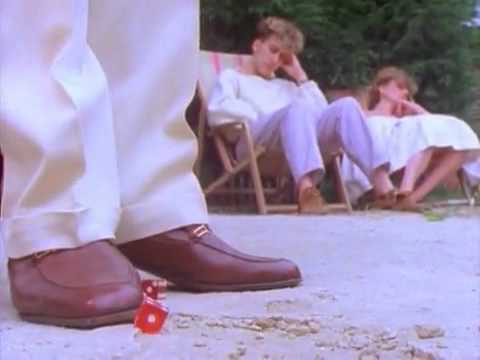
Fun Boy Three - Summertime (1982) Era: Post-Punk / New Wave Transition (1982–1983) - Early Thatcherite Britain; UK ska/pop crossover artists moving toward mainstream pop production while retaining DIY sensibility High curatorial value as a document of the transitional moment between the 2 Tone movement and the broader British New Wave/pop explosion. The video's quantitative profile, fast editing, warm tungsten palette, low contrast, is characteristic of a specific and underrepresented stratum of UK pop production that sits between punk DIY and the glossy high-budget videos that would dominate by 1984–85. Essential context for any archive covering British multicultural pop history. Context: Fun Boy Three emerged directly from the break-up of The Specials in 1981, carrying the multicultural, politically engaged spirit of the 2 Tone movement into a more pop-oriented but still socially conscious direction. 'Summertime', their reading of the Gershwin/DuBose Heyward jazz standard, exemplifies their approach of recontextualising canonical material through a post-ska, street-level British lens. Released amid rising UK unemployment, inner-city unrest (the 1981 riots), and the early years of Thatcherism, the choice of 'Summertime' carries ironic weight: a song of warmth and plenty delivered by artists rooted in working-class disillusionment. The video's warm palette (colour temp 1.87) and moderate-bright exposure (90.9/255) visually enact the 'summertime' promise while the fast cut rhythm (3.56s avg. shot) maintains an urgency that undercuts easy comfort. Director notes: The video for 'Summertime', Fun Boy Three's cover of the Gershwin/Heyward standard, was released in conjunction with their 1982 debut album. The production aesthetic is consistent with low-to-mid budget UK pop promos of the period, likely shot on 16mm film or early broadcast-quality video with minimal post-production. The fast editing pace (avg. shot length 3.56s, 52 scene changes across ~185s) is notably quicker than the era average, suggesting an editor and director with awareness of the emerging MTV visual language. The warm colour temperature and moderate brightness point to a controlled studio or semi-location shoot under tungsten lighting without aggressive colour correction.
Source: radarchive.org
Part of RAD Archive · Watch in the documentary