Spearhead - Hole In The Bucket 1994 Remastered
JUL 01 1994 · 12:00
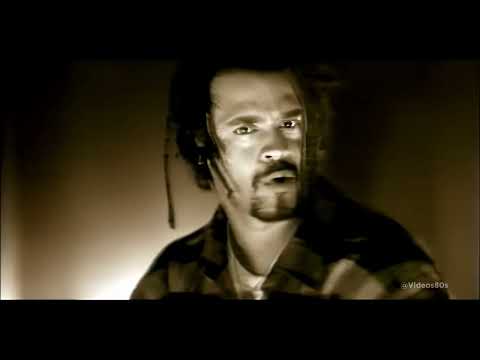
Spearhead - Hole In The Bucket 1994 Remastered (1994) Era: Alternative Hip-Hop / MTV Buzz Bin Era (1994) - The year Spearhead debuted on Capitol Records, bridging conscious rap, funk, and soul in the early post-golden-age hip-hop landscape. High. This video is a Clio Award-winning artifact from a pivotal moment in alternative hip-hop history, documenting both the aesthetic grammar of early-90s socially conscious rap video and the specific cultural anxieties around urban homelessness. Its MTV Buzz Bin status and crossover radio success make it a key data point for studying how genre boundaries were negotiated through visual media in 1994. The remastered version preserves a record that might otherwise suffer archival degradation. Context: Released in 1994 as the lead single from Spearhead's debut album Home on Capitol Records, 'Hole in the Bucket' emerged from Michael Franti's pivot away from the industrial agit-prop of Disposable Heroes of Hiphoprisy toward a warmer, community-centered sound blending hip-hop, funk, reggae, and soul. The song addresses homelessness and urban poverty at a moment when welfare reform debates and visible street homelessness were defining political flashpoints in American cities. R&B radio largely ignored it, but alternative rock radio and MTV's Buzz Bin gave it substantial exposure, marking an early instance of socially conscious rap crossing into alt-rock formats. The video won a Clio Award in 1994, a rare advertising industry honor for a music video, underscoring its craft and messaging impact. Director notes: The video won a Clio Award in 1994 and was placed in MTV's Buzz Bin, earning significant rotation. Apple Music describes it as a 'homelessness lament,' suggesting street-level documentary imagery. Despite its award-winning status, no director attribution appears in Wikipedia, Discogs, AllMusic, encyclopedia.com, or music press sources reviewed.
Source: radarchive.org
Part of RAD Archive · Watch in the documentary