Sonic Youth - The Empty Page
2002
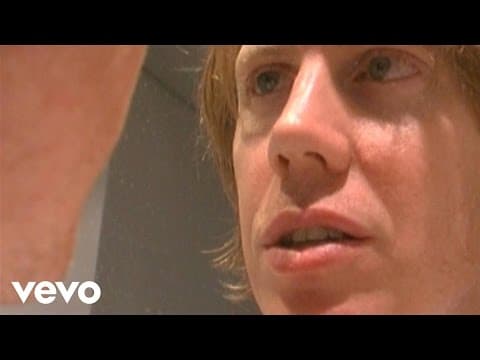
Sonic Youth - The Empty Page (2002) Director: Thurston Moore & Chris Habib Era: Post-9/11 Indie & Noise Rock Renaissance (2002) - Early DV/digicam aesthetic era; NYC underground rock scene processing collective trauma through lo-fi DIY video production High curatorial value as a confirmed band-directed artifact from a pivotal moment in Sonic Youth's career and in NYC post-9/11 cultural production. The video's inclusion on the Corporate Ghost DVD anthology (2004), the band's first official video compilation, confirms its canonical status within their visual output. Its digicam aesthetic and DIY ethos make it an exemplary document of early-2000s indie rock visual culture, and its co-direction by Thurston Moore himself adds significant primary-source value for researchers studying artist-driven music video practice. Context: Released in 2002 as the lead single and opening track of Murray Street, 'The Empty Page' arrived in the immediate aftermath of the September 11 attacks, recording sessions at the band's Echo Canyon studio on Murray Street in lower Manhattan were halted by the disaster. The video's digicam tour-footage aesthetic, rapid editing, and warm, underexposed tones reflect both the practical constraints of early-2000s indie touring and a broader cultural moment in which the lo-fi DV aesthetic had become an authenticity marker for post-alternative rock. The song and video together signal Sonic Youth's return to relatively accessible song structures after the difficult experimental detour of NYC Ghosts & Flowers, while the DIY visual language reinforces the band's enduring anti-commercial ethos even within their major-label DGC/Geffen context. Director notes: The video for 'The Empty Page' was made using digicam tour footage, as documented on the official Sonic Youth website's song database entry. It was included on the 2004 Geffen DVD compilation 'Corporate Ghost: The Videos 1990–2002', which collected 24 Sonic Youth music videos from their major-label era. The low-budget, observational style is consistent with the band's broader approach to video production during the Murray Street campaign, which also included a 'secret' website link on the enhanced North American CD pressing hosting both the 'The Empty Page' and 'Radical Adults' videos. The digicam format and rapid editing reflect both practical touring conditions and a conscious DIY aesthetic that contrasted with higher-budget contemporaries.
Source: radarchive.org
Part of RAD Archive · Watch in the documentary