Ride — Like A Daydream
JUL 01 1990 · 12:00
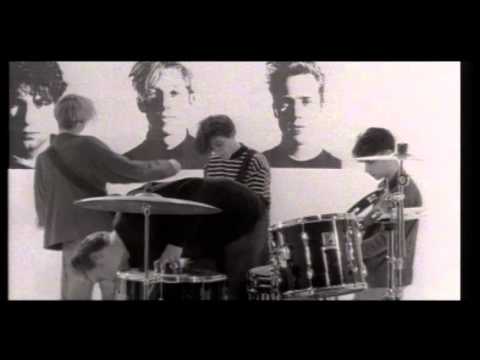
Ride — Like A Daydream (1990) Director: Angus Cameron Era: Early Shoegaze / British Indie Boom (1990) - Nascent UK shoegaze movement on Creation Records; pre-Nowhere debut album period, capturing Ride at their most rawly psychedelic and formative High. As the video for the lead track of Ride's Play EP — one of the defining early documents of shoegaze — this is a Tier 1 preservation priority. It is a confirmed Angus Cameron work, shot on location, with documented production credits, and has already been cited in archival compilations examining British dreampop. Its near-monochrome palette, muted saturation, and Hampstead Heath location make it visually distinctive and historically irreplaceable as an artifact of the 1990 UK indie moment. Context: Released in April 1990 as the lead track on Ride's Play EP via Creation Records, 'Like A Daydream' arrived at the precise moment the Oxford quartet were establishing themselves at the vanguard of the nascent UK shoegaze scene. The single predates their debut album Nowhere by approximately six months, placing this video in the band's most critically raw and commercially unproven phase. The low-budget, outdoor, impressionistic visual language produced by Angus Cameron — shot at Hampstead Heath — reflects both the limited promo economics of Creation Records at the time and a deliberate aesthetic philosophy: resist spectacle, privilege texture and mood over narrative, and let the music's wall-of-sound density anchor the viewer. This approach became the defining visual grammar of shoegaze music video production. Director notes: Directed in 1990 for Creation Records, produced by Redneck Films. Filmed on location at Hampstead Heath, Hampstead, London, England, UK. The video is listed in black and white with a 16:9 aspect ratio on IMDb. Runtime listed as 4 minutes. The video was later featured in the 2020 compilation work 'New British Canon: The Dreampop Enigma of Cocteau Twins & LORELEI', cementing its archival cultural status.
Source: radarchive.org
Part of RAD Archive · Watch in the documentary