Zerra One - Ten Thousand Voices
JUL 01 1984 · 12:00
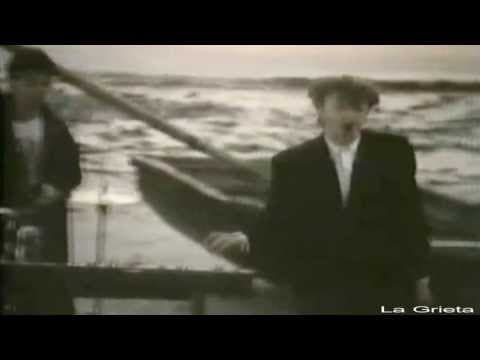
Zerra One - Ten Thousand Voices (1984) Era: British/Irish New Wave Peak (1984) - Mid-period new wave at the height of post-punk's major-label crossover, Irish acts pursuing UK and international breakthrough via Mercury Records High archival value as a rare surviving promo document for one of the most critically noted but commercially overlooked Irish new wave acts of the 1980s. The video preserves both the band's visual identity and the production conventions of Mercury/Phonogram's mid-budget 1984 promo output. Its warm, atmospheric cinematography and deliberate pacing offer a counterpoint to the more flamboyant MTV-era promos of the same period, making it a useful reference for the quieter, performance-grounded strand of new wave visual culture. Context: Released in 1984 as the debut Mercury single by Wexford-formed Irish new wave band Zerra One, 'Ten Thousand Voices' arrived at a moment when Irish rock acts, energised by U2's global ascent, were aggressively pursuing major-label breakthroughs. Zerra One had already toured with The Cure and U2 before signing to Mercury/Phonogram, placing them squarely within the ambitious second wave of British-Irish post-punk seeking transatlantic crossover. The video's warm, brooding production palette reflects the era's tendency to frame anthemic new wave in quasi-theatrical, emotionally serious visual language, distancing the genre from the ironic detachment of earlier punk. The band's failure to break commercially despite strong critical and subcultural positioning is emblematic of the oversaturated mid-1984 new wave market. Director notes: The promo was produced in support of the single 'Ten Thousand Voices, Message from the Peoples' (Mercury Records, cat# MER 161 / MERX 161, ℗ 1984 Phonogram Ltd, London; published by Chrysalis Music). It served as the band's debut release on Mercury following their signing in 1984. No production company, director, or crew credits have been located in any available public record.
Source: radarchive.org
Part of RAD Archive · Watch in the documentary