Iggy Pop & Kate Pierson — Candy
JUL 01 1990 · 12:00
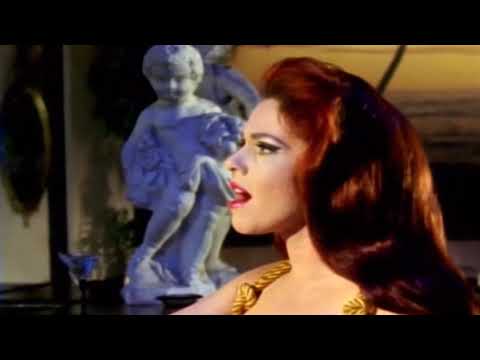
Iggy Pop & Kate Pierson — Candy (1990) Director: Jeff Preiss Era: Post-Punk Mainstream Crossover (1990) - The era in which punk and alternative rock veterans crossed into mainstream pop charts via MTV exposure and major-label production, marking a commercial pivot for legacy artists. High curatorial value as the sole US Top 40 entry in Iggy Pop's career, directed by a filmmaker with significant fine art and experimental credentials. The video is a well-preserved record of the aesthetic and commercial forces shaping alternative-to-mainstream crossover in 1990, and an early professional music video work by Jeff Preiss — a director whose later career spans MoMA installations, Sundance-winning features, and a 25-year partnership at Epoch Films. The warm, high-saturation visual identity and fast MTV cutting rhythm make it a textbook example of early-1990s mainstream alternative video production. Context: Released in September 1990, 'Candy' arrived at a pivotal moment when MTV's dominance was reshaping commercial viability for legacy punk and alternative artists. Iggy Pop, widely regarded as the godfather of punk, achieved his only US Top 40 chart entry with this duet. Kate Pierson of the B-52s brought new wave pop credibility and mainstream visibility to the collaboration. The song's dual-narrator structure — a man grieving a lost love, a woman who secretly misses him in return — gave the video a soft-romantic emotional register unusual for Pop's catalog, deliberately targeting adult contemporary radio and MTV rotation. The desert and bar iconography evoke classic Americana romanticism, distancing the video from Pop's transgressive punk legacy in favor of crossover accessibility. Director notes: Directed in 1990 for Virgin Records as part of the Brick by Brick album campaign. The video uses dual-location intercutting: Iggy Pop performing guitar in a desert landscape with storm imagery, and Kate Pierson in a bar interior wearing a blue dress, later appearing on a stage. The warm, high-saturation palette and fast MTV edit rhythm reflect Preiss's early commercial music video style developed after his collaboration with Bruce Weber. The video supported 'Candy' becoming Pop's only US Top 40 hit.
Source: radarchive.org
Part of RAD Archive · Watch in the documentary