Richard Marx — Satisfied
JUL 01 1989 · 12:00
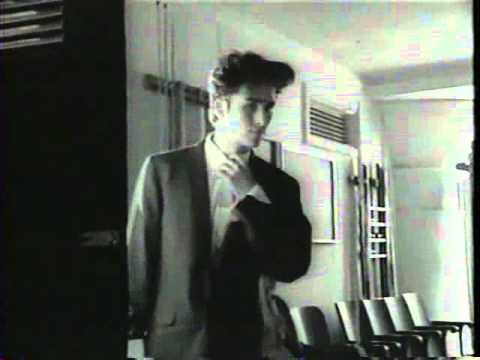
Richard Marx — Satisfied (1989) Director: Dominic Sena Era: Late MTV Golden Age (1989) - Peak arena-rock/AOR crossover era; major label music video production at commercial zenith, simultaneous with the rise of Propaganda Films as the dominant force in the medium. High curatorial value as a confirmed Dominic Sena / Propaganda Films production at the peak of the company's influence. The video documents the mature commercial AOR video formula of 1989, bridges performance and narrative modes, and captures a precise cultural moment when MTV's visual language was shaping mainstream youth identity. Its confirmed directorial provenance, chart-topping song context, and characteristic Propaganda Films aesthetic make it an important archival specimen for scholars of music video history, 1980s popular culture, and pre-Hollywood careers of major directors. Context: Released in spring 1989 as the lead single from 'Repeat Offender,' this video arrived at the precise apex of the MTV-driven AOR commercial cycle. Propaganda Films — co-founded by Sena alongside David Fincher and others — was at that moment the single most influential music video production house in the United States, responsible for defining the visual language of late-1980s mainstream rock and pop. The video's thematic core — ordinary people escaping dull routines to pursue desire and self-expression — directly mirrored the aspirational ethos that made MTV's programming so culturally potent for suburban youth audiences. The desaturated, warm, tungsten-lit venue aesthetic Sena employs here prefigures the gritty realism he would bring to his 1993 feature debut 'Kalifornia.' Director notes: Confirmed via IMDb (tt7370512) and IMVDb as directed by Dominic Sena, released 1989, produced by Aristides McGarry. The video employs the hallmark Propaganda Films aesthetic of that period: practical interior locations (pool hall, bar, performance stage), mixed color and black-and-white sequences, rapid rhythmic cutting, and a blend of narrative vignettes with band performance footage. The concept depicts characters breaking from mundane routines — consistent with the song's thematic content. The video appeared on MTV during the single's chart run, debuting at #39 on the Billboard Hot 100 the week of May 6, 1989, and reaching #1 on June 24, 1989.
Source: radarchive.org
Part of RAD Archive · Watch in the documentary