The Belgian Sound
The story of Belgian electronic music and club culture — from the early-1980s machine-pulse of EBM and the late-80s invention of New Beat, through the techno temples of Fuse, La Rocca, Cherry Moon and Café d'Anvers and the R&S and Bonzai labels that conquered Europe, to Tomorrowland, Stromae, Charlotte de Witte and Amelie Lens. One of the most influential — and least-credited — dance-music cultures in the world.
A chronological documentary of 650 moments on Loreline.
last updated 2026-07-22
Eras
- The Roots — EBM, Industrial & New Beat — Belgian electronic music begins in the early 1980s — the cold machine-pulse of EBM and industrial (Front 242, A Split Second), the electro-pop of Telex, and the late-80s invention of "New Beat": EBM and acid records slowed to a hypnotic crawl in clubs like Boccaccio. The sound that started it all.
- Belgian Techno & the R&S Years — At the turn of the 1990s Belgium became a techno superpower. R&S Records in Ghent released the records that defined a continent — the hoover-bass, the orchestral stabs — while a homegrown rave circuit exploded. The "Sound of Belgium" conquered Europe.
- The Club Temples — The temples where it all happened: Fuse in Brussels, La Rocca in Lier, Cherry Moon in Lokeren, Café d'Anvers and Boccaccio. The dancefloors, the residents, the all-nighters — the physical heart of the Belgian scene.
- Hardcore, Trance & Bonzai — Through the mid-90s and 2000s the sound splintered and intensified — hardcore and gabber, the euphoric trance of Yves Deruyter and the Bonzai Records empire, the retro-house revivals. Belgium kept exporting dancefloor energy.
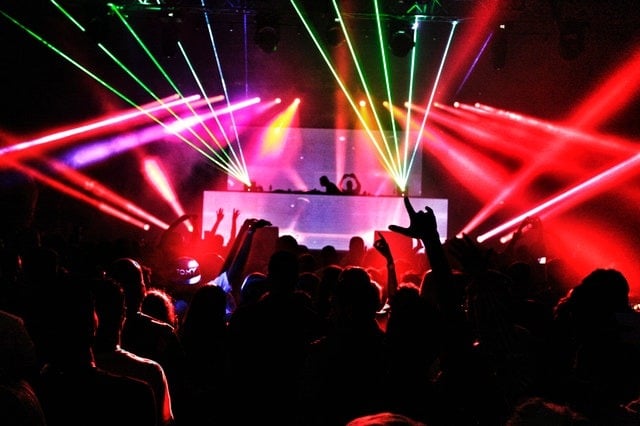
- The Festival Era — The 2000s and 2010s turned Belgian dance music into a global festival juggernaut — Tomorrowland in Boom, 10 Days Off in Ghent, Laundry Day in Antwerp — and the rise of Dimitri Vegas & Like Mike and the EDM mainstage years.
- Today & the Legacy — The modern Belgian sound and its memory: the global techno of Charlotte de Witte and Amelie Lens, the Soulwax / Deewee world, the festival-pop of Lost Frequencies and Dimitri Vegas & Like Mike, the new club generation — and the archives that keep the story of where it all came from.
- Chanson & Songwriters — Belgium's great songwriting tradition — from Jacques Brel and the French-language chanson to Arno's ragged rock-chanson, Adamo, Maurane and the singer-songwriters who carried the word.
- Rock & Indie — Belgian rock and indie — dEUS and the Antwerp scene, Soulwax before the remixes, Hooverphonic's trip-hop, K's Choice, Zita Swoon, Balthazar and the post-punk revival.
- Pop & Flemish Hits — The pop mainstream — Flemish and French-language hitmakers, Eurovision moments and the schlager-pop that filled Belgian radio: Will Tura, Clouseau, Sandra Kim, Plastic Bertrand, Axelle Red, Selah Sue and more.
- Hip-Hop & Urban — Belgian hip-hop and urban music — from the Flemish rap of 't Hof van Commerce to Stromae's global crossover, Damso and Hamza's French-language rap, and Angèle's pop-rap wave.
- Metal & Heavy — Belgium's heavy export — the crossover-thrash of Channel Zero, the death-metal of Aborted, the black metal of Enthroned, and the world-renowned post-metal of Amenra and Brutus.
- Jazz, Classical & the Inventors — The deep roots — Adolphe Sax, the Belgian who invented the saxophone; Toots Thielemans, the harmonica and whistling legend; Django-adjacent gypsy jazz; and the Flemish classical tradition.
…and 650 more moments. Full text archive: /loreline-text/the-belgian-sound.md