Go: Lost by One Point
MAY 15 1988 · 12:05
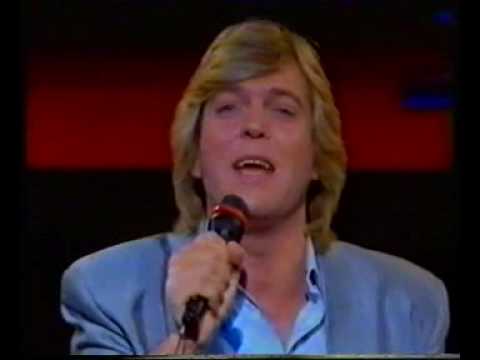
Scott Fitzgerald · "Go" · United Kingdom · 1988 Placement: 2nd · Language: English · Composers: Julie Forsyth · Venue: RDS Simmonscourt Pavilion · Host: Dublin, Ireland · Type: upset · Broadcast: satellite Scott Fitzgerald, a Glasgow-born pub-circuit singer who had scored a minor 1980s duet hit but was otherwise largely unknown outside the UK cabaret scene, became in April 1988 the first performer ever chosen to represent the United Kingdom at Eurovision by public telephone vote. His entry, 'Go,' was written by Julie Forsyth, a former member of Guys 'n' Dolls and the daughter of British television entertainer Bruce Forsyth. The song was a straightforward mid-tempo power ballad with a rising chorus and a conventional arrangement. Fitzgerald performed it fourth on the Dublin running order, standing alone in a white suit under a single follow-spot, delivering the vocal with the solid, slightly strained conviction of a veteran club singer handed the biggest microphone of his life. The 1988 voting turned into one of the closest contests the BBC commentator Terry Wogan had ever called. With most of the scores in, the UK led comfortably. Then, almost at the close, Yugoslavia's jury awarded the Swiss entry six points, and Switzerland passed the UK in the final sequence of tallies. Scott Fitzgerald finished second with 136 points, behind Switzerland on 137 — a single-point margin. The winning song was 'Ne partez pas sans moi,' performed by a 20-year-old Canadian singer named Céline Dion, who was almost entirely unknown to the English-speaking world and for whom Eurovision would serve as the launchpad of one of the largest solo careers in popular music. The UK would not win Eurovision again until 1997. Context Eurovision 1988 was held in Dublin because Ireland had won with Johnny Logan's 'Hold Me Now' the previous year, beginning Ireland's extraordinary late-1980s and 1990s Eurovision dominance. The BBC's telephone-vote innovation was a public-service experiment: previous 'A Song for Europe' selections had been chosen by regional juries. Switzerland's Céline Dion was a francophone Quebec artist performing in French, selected through Swiss internal procedures. Legacy The 1988 loss became shorthand in UK Eurovision culture for 'the one that got away.' Fitzgerald's 'Go' reportedly charted modestly in Britain after the contest but did not propel him to a sustained pop career. Céline Dion, by contrast, moved within five years into English-language pop and became one of the most commercially successful solo vocalists in recorded-music history. The UK did not win again until Katrina and the Waves took 'Love Shine a Light' nine years later. Mythology A one-point loss is Eurovision's purest cruelty. It means the UK's entry was almost unanimously admired, lost to a performer almost nobody had heard of, and handed her the platform from which she would leave them behind entirely.
Source: eurovisionoracle.com
Part of Eurovision · Watch in the documentary
More from Eurovision
- Plastic Bertrand's Lip-Sync Admission 23 Years Later
- Germany's Silver for a Song Ralph Siegel Didn't Write
- Ne Partez Pas Sans Moi: Céline Dion Wins by a Single Point
- Rock Me: Yugoslavia's Only Eurovision Win, Two Years Before the War
- Insieme: 1992: A Pop Ballad for the European Union
- C'est le dernier: The Tied-and-Lost French Entry