Pictures That Move (1878–1895)
Muybridge's galloping horse settles a bet and starts cinema; Edison's Kinetoscope and the Lumières' Cinématographe make pictures move.
Part of Cameras
94 moments in this segment.
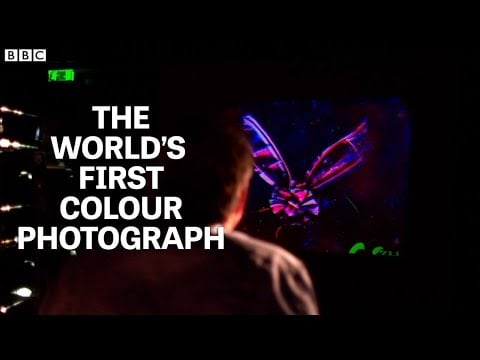
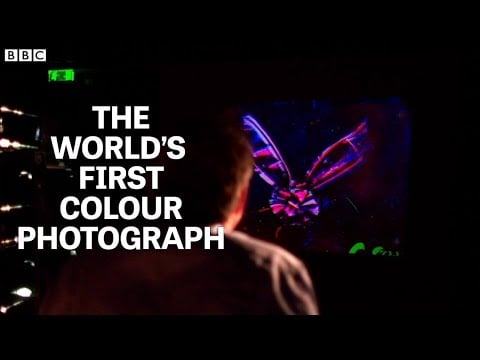
- — The world's first colour photograph. First Color Photograph (Maxwell) (1861). In the years cinema was invented, the camera learned to capture not a moment but motion itself.
- — How One Horse Inspired the Invention of Movies. Muybridge & the Stanford horse bet (1872). In the years cinema was invented, the camera learned to capture not a moment but motion itself.
- — Eadweard Muybridge: Leland Stanford Jr.. Muybridge / Leland Stanford (1872). In the years cinema was invented, the camera learned to capture not a moment but motion itself.
- — Motion Capture Evolution: Muybridge to Marey | Shell Historical Film Archive. Muybridge to Marey (motion capture) (1878). In the years cinema was invented, the camera learned to capture not a moment but motion itself.
- — Muybridge's galloping horse (1878) (1878). Muybridge's galloping horse (1878) — an image made in 1878. In the years cinema was invented, the camera learned to capture not a moment but motion itself.
- — Muybridge's galloping horse (1878) (1878). Muybridge's galloping horse (1878) — an image made in 1878. In the years cinema was invented, the camera learned to capture not a moment but motion itself.
- — Muybridge's galloping horse (1878) (1878). Muybridge's galloping horse (1878) — an image made in 1878. In the years cinema was invented, the camera learned to capture not a moment but motion itself.
- — Muybridge's galloping horse (1878) (1878). Muybridge's galloping horse (1878) — an image made in 1878. In the years cinema was invented, the camera learned to capture not a moment but motion itself.
- — 1st Movie (Motion Picture) - Sallie Gardner at a Gallop (1878) Eadward Muybridge | Frame-by-Frame. Muybridge Horse in Motion 1878 (1878). In the years cinema was invented, the camera learned to capture not a moment but motion itself.
- — Slices of Time: Eadweard Muybridge’s Cinematic Legacy. Eadweard Muybridge (1878). In the years cinema was invented, the camera learned to capture not a moment but motion itself.
- — "Sallie Gardner at a Gallop" or "The Horse in Motion" (Eadweard Muybridge, 1878). Muybridge — Sallie Gardner at a Gallop (1878). In the years cinema was invented, the camera learned to capture not a moment but motion itself.
- — 1878 - Sallie Gardner at a Gallop - Eadweard Muybridge. Muybridge — Sallie Gardner at a Gallop (1878). In the years cinema was invented, the camera learned to capture not a moment but motion itself.
- — Muybridge, The Attitudes of Animals in Motion. Eadweard Muybridge zoopraxiscope (1879). In the years cinema was invented, the camera learned to capture not a moment but motion itself.
- — The zoopraxiscope (1879). The zoopraxiscope — the camera itself, 1879. In the years cinema was invented, the camera learned to capture not a moment but motion itself.
- — The zoopraxiscope (1879). The zoopraxiscope — the camera itself, 1879. In the years cinema was invented, the camera learned to capture not a moment but motion itself.
- — The magic lantern (1880). The magic lantern — the camera itself, 1880. In the years cinema was invented, the camera learned to capture not a moment but motion itself.
- — The magic lantern (1880). The magic lantern — the camera itself, 1880. In the years cinema was invented, the camera learned to capture not a moment but motion itself.
- — The magic lantern (1880). The magic lantern — the camera itself, 1880. In the years cinema was invented, the camera learned to capture not a moment but motion itself.
- — Etienne-Jules Marey - Sport in the Darkroom (EN). Etienne-Jules Marey (1882). In the years cinema was invented, the camera learned to capture not a moment but motion itself.
- — Marey's chronophotography (1882). Marey's chronophotography — an image made in 1882. In the years cinema was invented, the camera learned to capture not a moment but motion itself.
- — Marey's chronophotography (1882). Marey's chronophotography — an image made in 1882. In the years cinema was invented, the camera learned to capture not a moment but motion itself.
- — Marey's chronophotography (1882). Marey's chronophotography — an image made in 1882. In the years cinema was invented, the camera learned to capture not a moment but motion itself.
- — Marey's chronophotography (1882). Marey's chronophotography — an image made in 1882. In the years cinema was invented, the camera learned to capture not a moment but motion itself.
- — Eadweard Muybridge: Studies in Motion. Eadweard Muybridge (1887). In the years cinema was invented, the camera learned to capture not a moment but motion itself.
- — Muybridge's motion studies (1887). Muybridge's motion studies — an image made in 1887. In the years cinema was invented, the camera learned to capture not a moment but motion itself.
- — Muybridge's motion studies (1887). Muybridge's motion studies — an image made in 1887. In the years cinema was invented, the camera learned to capture not a moment but motion itself.
- — Muybridge's motion studies (1887). Muybridge's motion studies — an image made in 1887. In the years cinema was invented, the camera learned to capture not a moment but motion itself.
- — Muybridge's motion studies (1887). Muybridge's motion studies — an image made in 1887. In the years cinema was invented, the camera learned to capture not a moment but motion itself.
- — Roundhay Garden Scene (1888) (1888). Roundhay Garden Scene (1888) — an image made in 1888. In the years cinema was invented, the camera learned to capture not a moment but motion itself.
- — Roundhay Garden Scene (1888). (1888). In the years cinema was invented, the camera learned to capture not a moment but motion itself.
- — PBS|The Kinetoscope. Edison Kinetoscope (1891). In the years cinema was invented, the camera learned to capture not a moment but motion itself.
- — 1891-95; 1900 - Chronophotographs by Étienne-Jules Marey (HA series) - Marey, Georges Demenÿ, Comte. Marey Chronophotography (1891). In the years cinema was invented, the camera learned to capture not a moment but motion itself.
- — Dickson Greeting (1891). ). In the years cinema was invented, the camera learned to capture not a moment but motion itself.
- — Dickson Greeting. (1891). In the years cinema was invented, the camera learned to capture not a moment but motion itself.
- — PBS|The Black Maria. Edison Black Maria studio (1893). In the years cinema was invented, the camera learned to capture not a moment but motion itself.
- — The Dickson Experimental Sound Film. Dickson Experimental Sound Film (1894). In the years cinema was invented, the camera learned to capture not a moment but motion itself.
- — Edison Kinetoscopic Record of a Sneeze, Jan. 7, 1894. Edison Kinetoscope (1894). In the years cinema was invented, the camera learned to capture not a moment but motion itself.
- — Fred Ott's Sneeze (1894). Fred Ott's Sneeze (Edison) (1894). In the years cinema was invented, the camera learned to capture not a moment but motion itself.
- — William Dickson: Fred Ott's Sneeze (1894). Fred Ott's Sneeze (Edison) (1894). In the years cinema was invented, the camera learned to capture not a moment but motion itself.
- — Thomas Edison's - Carmencita - Black Maria Studio (1894) World's First Film Studio. Carmencita (Edison Black Maria) (1894). In the years cinema was invented, the camera learned to capture not a moment but motion itself.
- — Carmencita. (Edison) (1894). In the years cinema was invented, the camera learned to capture not a moment but motion itself.
- — Edison Kinetoscope (1894). Edison Kinetoscope — the camera itself, 1894. In the years cinema was invented, the camera learned to capture not a moment but motion itself.
- — Edison Kinetoscope (1894). Edison Kinetoscope — the camera itself, 1894. In the years cinema was invented, the camera learned to capture not a moment but motion itself.
- — 1894 - Buffalo Dance - William Kennedy Laurie Dickson (Edison Studios). Buffalo Dance (Edison) (1894). In the years cinema was invented, the camera learned to capture not a moment but motion itself.
- — Annie Oakley (1894) : by Thomas A. Edison Kinetoscope. Annie Oakley (Edison) (1894). In the years cinema was invented, the camera learned to capture not a moment but motion itself.
- — Annie Oakley. Edison film 1894 (1894). In the years cinema was invented, the camera learned to capture not a moment but motion itself.
- — Early Traffic (1890-1899). Early traffic (British Pathe) (1895). In the years cinema was invented, the camera learned to capture not a moment but motion itself.
- — 1895 - Serpentine Dance by Annabelle - William Kennedy Laurie Dickson (Edison Studios). Annabelle Serpentine Dance (Edison) (1895). In the years cinema was invented, the camera learned to capture not a moment but motion itself.
- — Baby's Dinner - Repas de Bebe (Lumiere - 1895). Baby's Meal (Lumiere) (1895). In the years cinema was invented, the camera learned to capture not a moment but motion itself.
- — Boat Leaving The Port (1895). Boat Leaving the Port (Lumiere) (1895). In the years cinema was invented, the camera learned to capture not a moment but motion itself.
- — L'arroseur arrosé [The Sprinkler Sprinkled] (Louis Lumière, 1895). The Sprinkler Sprinkled (Lumiere) (1895). In the years cinema was invented, the camera learned to capture not a moment but motion itself.
- — [Actual 4K Scan] The Arrival of a Train at La Ciotat Station - Lumière Brothers - 1896.. Lumiere Arrival of a Train La Ciotat 1895 (1895). In the years cinema was invented, the camera learned to capture not a moment but motion itself.
- — "Workers Leaving the Lumière Factory in Lyon" (Lumière Brothers, France, 1895). Workers Leaving the Lumiere Factory (1895). In the years cinema was invented, the camera learned to capture not a moment but motion itself.
- — Workers Leaving The Lumiere Factory - Lumiere Brothers 1895. Lumiere Workers Leaving the Factory 1895 (1895). In the years cinema was invented, the camera learned to capture not a moment but motion itself.
- — La Sortie de l'Usine Lumière à Lyon (Workers Leaving the Lumiere Factory) 2 (1895) Louis Lumiere. Workers Leaving the Lumiere Factory (1895). In the years cinema was invented, the camera learned to capture not a moment but motion itself.
- — Workers Leaving the Lumière Factory (1895) - The First Motion Picture in History | Lumière Brothers. Workers Leaving the Lumiere Factory (1895). In the years cinema was invented, the camera learned to capture not a moment but motion itself.
- — Repas de bébé (Baby's Breakfast) (1895) Louis Lumiere. Lumiere Baby's Breakfast 1895 (1895). In the years cinema was invented, the camera learned to capture not a moment but motion itself.
- — The Lumière Cinématographe (1895). The Lumière Cinématographe — the camera itself, 1895. In the years cinema was invented, the camera learned to capture not a moment but motion itself.
- — The Lumière Cinématographe (1895). The Lumière Cinématographe — the camera itself, 1895. In the years cinema was invented, the camera learned to capture not a moment but motion itself.
- — The Lumiere Brothers: Crash Course Film History #3. Lumiere Cinematographe (1895). In the years cinema was invented, the camera learned to capture not a moment but motion itself.
- — Auguste and Louis Lumière - Démolition d'un mur (1896). Demolition of a Wall (Lumiere) (1896). In the years cinema was invented, the camera learned to capture not a moment but motion itself.
- — The Arrival of a Train at La Ciotat Station 1896 - Lumière Brothers (4K scan). Arrival of a Train at La Ciotat (Lumiere) (1896). In the years cinema was invented, the camera learned to capture not a moment but motion itself.
- — 1896 - On Brighton Beach - George Albert Smith ou Robert William Paul (?). On Brighton Beach (G.A. Smith / R.W. Paul) (1896). In the years cinema was invented, the camera learned to capture not a moment but motion itself.
- — The Arrival of a Train at La Ciotat (1896) Louis Lumière. Arrival of a Train at La Ciotat (Lumiere) (1896). In the years cinema was invented, the camera learned to capture not a moment but motion itself.
- — Démolition d'un mur [Demolition of a Wall] (Lumière, 1896). Demolition of a Wall (Lumiere) (1896). In the years cinema was invented, the camera learned to capture not a moment but motion itself.
- — Feeding the Doves 1896. Feeding the Doves (Lumiere) (1896). In the years cinema was invented, the camera learned to capture not a moment but motion itself.
- — The Kiss (1896) May Irwin, John Rice - First kiss in commercial cinema. The Kiss (May Irwin / John Rice, Edison) (1896). In the years cinema was invented, the camera learned to capture not a moment but motion itself.
- — May Irwin Kiss. The Kiss (May Irwin Kiss, Edison) (1896). In the years cinema was invented, the camera learned to capture not a moment but motion itself.
- — G.A. Smith Stop Motion. (1898). In the years cinema was invented, the camera learned to capture not a moment but motion itself.
- — grandma's reading glass / short experimental film directed by George Albert Smith 1900. Grandma's Reading Glass (G.A. Smith) (1900). In the years cinema was invented, the camera learned to capture not a moment but motion itself.
- — The One Man Band (1900) George Melies. The One-Man Band (Melies) (1900). In the years cinema was invented, the camera learned to capture not a moment but motion itself.
- — The One-Man Band (L'Homme-Orchestre, 1900) ㅡ Georges Méliès. The One-Man Band (Melies) (1900). In the years cinema was invented, the camera learned to capture not a moment but motion itself.
- — Early English Traffic: Turn of the Century London (1896-1903) | British Pathé. Early London traffic (British Pathe) (1900). In the years cinema was invented, the camera learned to capture not a moment but motion itself.
- — 1901 - The Big Swallow - James Williamson. The Big Swallow (Williamson) (1901). In the years cinema was invented, the camera learned to capture not a moment but motion itself.
- — A Trip to the Moon (1902) - ORIGINAL B/W Movie by Georges Méliès (le voyage dans la lune). A Trip to the Moon (Melies) (1902). In the years cinema was invented, the camera learned to capture not a moment but motion itself.
- — Life of an American Fireman (1903) Edison. Life of an American Fireman (Porter) (1903). In the years cinema was invented, the camera learned to capture not a moment but motion itself.
- — EdisonElectrocutesElephant. Electrocuting an Elephant (Topsy, Edison) (1903). In the years cinema was invented, the camera learned to capture not a moment but motion itself.
- — Electrocuting an Elephant. (Topsy, Edison) (1903). In the years cinema was invented, the camera learned to capture not a moment but motion itself.
- — The Great Train Robbery. (Porter) (1903). In the years cinema was invented, the camera learned to capture not a moment but motion itself.
- — The Great Train Robbery (1903) Edwin S. Porter. The Great Train Robbery (Porter) (1903). In the years cinema was invented, the camera learned to capture not a moment but motion itself.
- — Le voyage à travers l'impossible [An Impossible Voyage] (Georges Méliès, 1904). The Impossible Voyage (Melies) (1904). In the years cinema was invented, the camera learned to capture not a moment but motion itself.
- — Rescued by Rover (1905). Rescued by Rover (Hepworth) (1905). In the years cinema was invented, the camera learned to capture not a moment but motion itself.
- — Rescued by Rover (Lewin Fitzhamon, Cecil M. Hepworth, 1905). Rescued by Rover (Hepworth) (1905). In the years cinema was invented, the camera learned to capture not a moment but motion itself.
- — Rescued by Rover (1905) Hepworth [original version]. Rescued by Rover (Hepworth) (1905). In the years cinema was invented, the camera learned to capture not a moment but motion itself.
- — A Trip Down Market Street, 1906 - With Sound!. A Trip Down Market Street, San Francisco (1906). In the years cinema was invented, the camera learned to capture not a moment but motion itself.
- — Edison Newsreels San Francisco Earthquake Aftermath (Silent, 1906). San Francisco Earthquake aftermath (Edison) (1906). In the years cinema was invented, the camera learned to capture not a moment but motion itself.
- — Pathé Gazette News Reel, 1918. Pathe Gazette newsreel (1918). In the years cinema was invented, the camera learned to capture not a moment but motion itself.
- — The magic lantern (1880). The magic lantern — the camera itself, 1880. In the years cinema was invented, the camera learned to capture not a moment but motion itself. The subject dates from 1880; this photograph was taken in 2006.
- — The zoopraxiscope (1879). The zoopraxiscope — the camera itself, 1879. In the years cinema was invented, the camera learned to capture not a moment but motion itself. The subject dates from 1879; this photograph was taken in 2013.
- — The zoopraxiscope (1879). The zoopraxiscope — the camera itself, 1879. In the years cinema was invented, the camera learned to capture not a moment but motion itself. The subject dates from 1879; this photograph was taken in 2013.
- — The Lumière Cinématographe (1895). The Lumière Cinématographe — the camera itself, 1895. In the years cinema was invented, the camera learned to capture not a moment but motion itself. The subject dates from 1895; this photograph was taken in 2017.
- — The Lumière Cinématographe (1895). The Lumière Cinématographe — the camera itself, 1895. In the years cinema was invented, the camera learned to capture not a moment but motion itself. The subject dates from 1895; this photograph was taken in 2017.
- — Rediscovered film takes a trip through San Francisco in ruins. A Trip Down Market Street, San Francisco (1906). In the years cinema was invented, the camera learned to capture not a moment but motion itself.
- — A Brief Introduction to… George Albert Smith. Brighton School / George Albert Smith (1900). In the years cinema was invented, the camera learned to capture not a moment but motion itself.