Criminalisation & Aftermath
A 2018 amendment finally lets new psychoactive substances be prosecuted as drugs, closing the loophole. Poisoning numbers fall from the 2015 peak — but the legal-highs market, and the public-health research it spawned, never fully goes away.
Part of Dopalacze
4 moments in this segment.
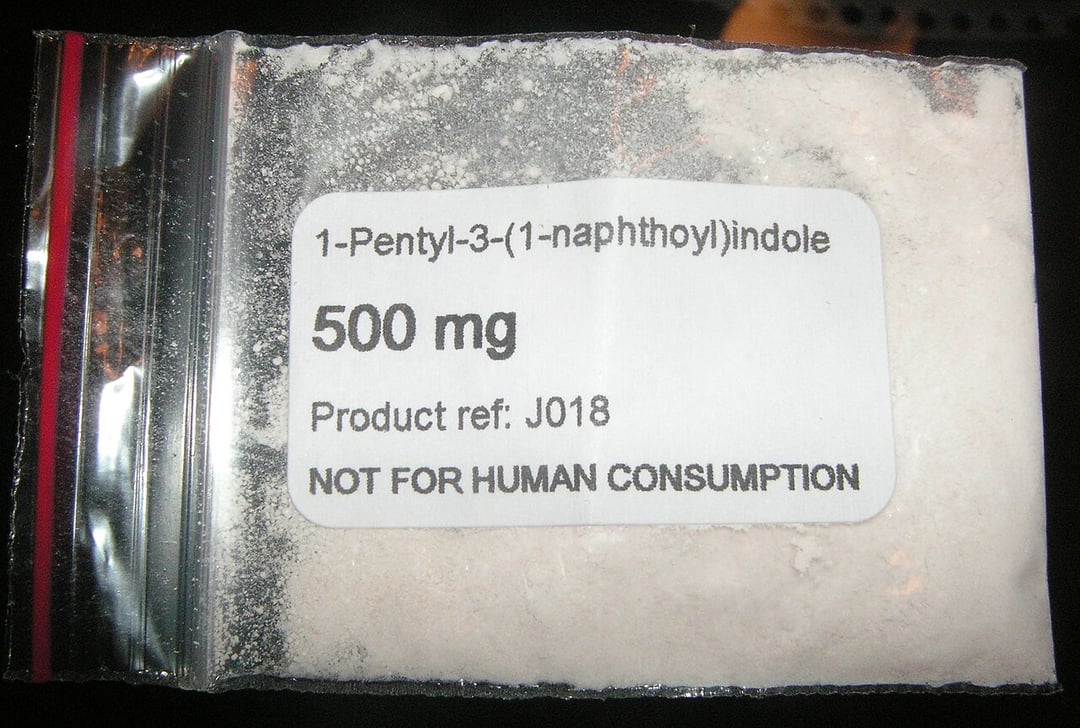
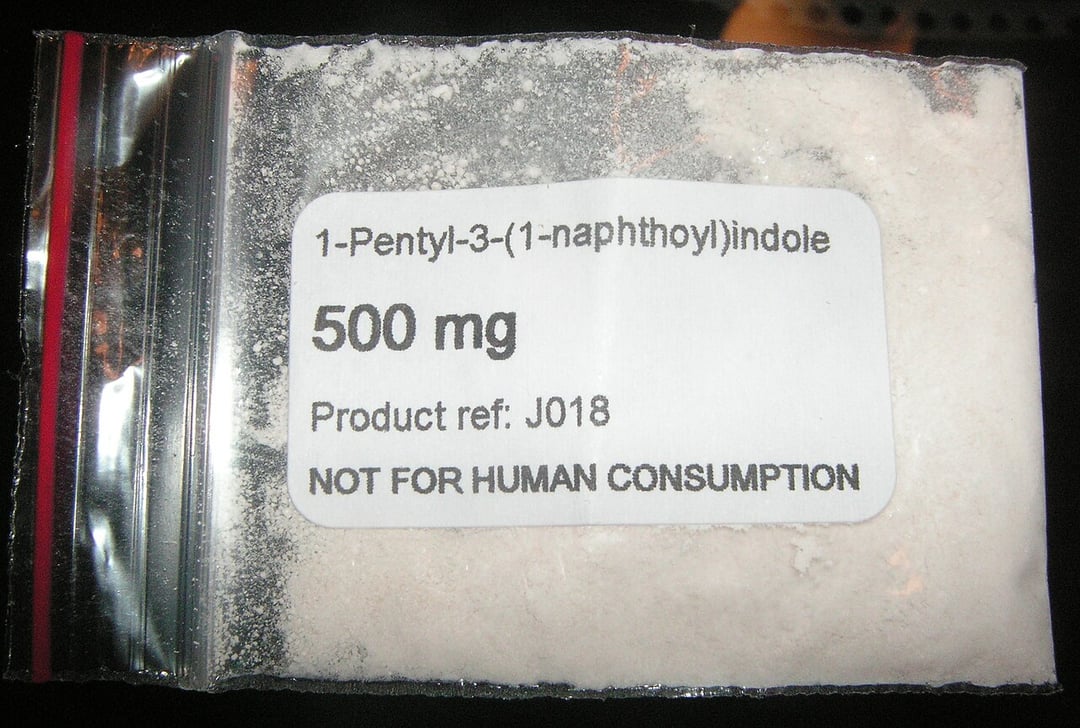
- — 2018 — new psychoactive substances treated as drugs. An amendment to the Act on Counteracting Drug Addiction lets NPS be classified and prosecuted as drugs, closing the loophole by which unlisted substances could be sold legally. Possession and trafficking of listed NPS become criminal offences, with the banned list maintained by regulation.
- — Watch — police raid dopalacze shops in Kielce (2018). Radio Kielce footage of police and the Central Bureau of Investigation entering smart shops in Kielce and Ostrowiec Świętokrzyski in June 2018, as the new criminalisation took effect.
- — 2014–2020 — counting the cost. Peer-reviewed data record roughly 25,500 acute NPS poisonings in Poland across 2014–2020, peaking near 7,300 in 2015 and falling to about 800 by 2020 — reflecting both the tightening law and the COVID-19 period. GIS continues to publish provincial NPS-poisoning data.
- — Watch — Poland's mephedrone epidemic (High Jungle). A documentary on the resurgence of cheap mephedrone ("kicia") in Poland years after the original ban — the long tail of the legal-highs era and its public-health aftermath.