Ancient & Medieval (3000 BC - 1450)
Dress as identity — Egyptian linen, Roman togas, the silk road, Byzantine purple, the medieval guild system. Sumptuary laws keep clothes class-restricted; the loom and the tailor as institutions.
Part of Fashion
6 moments in this segment.
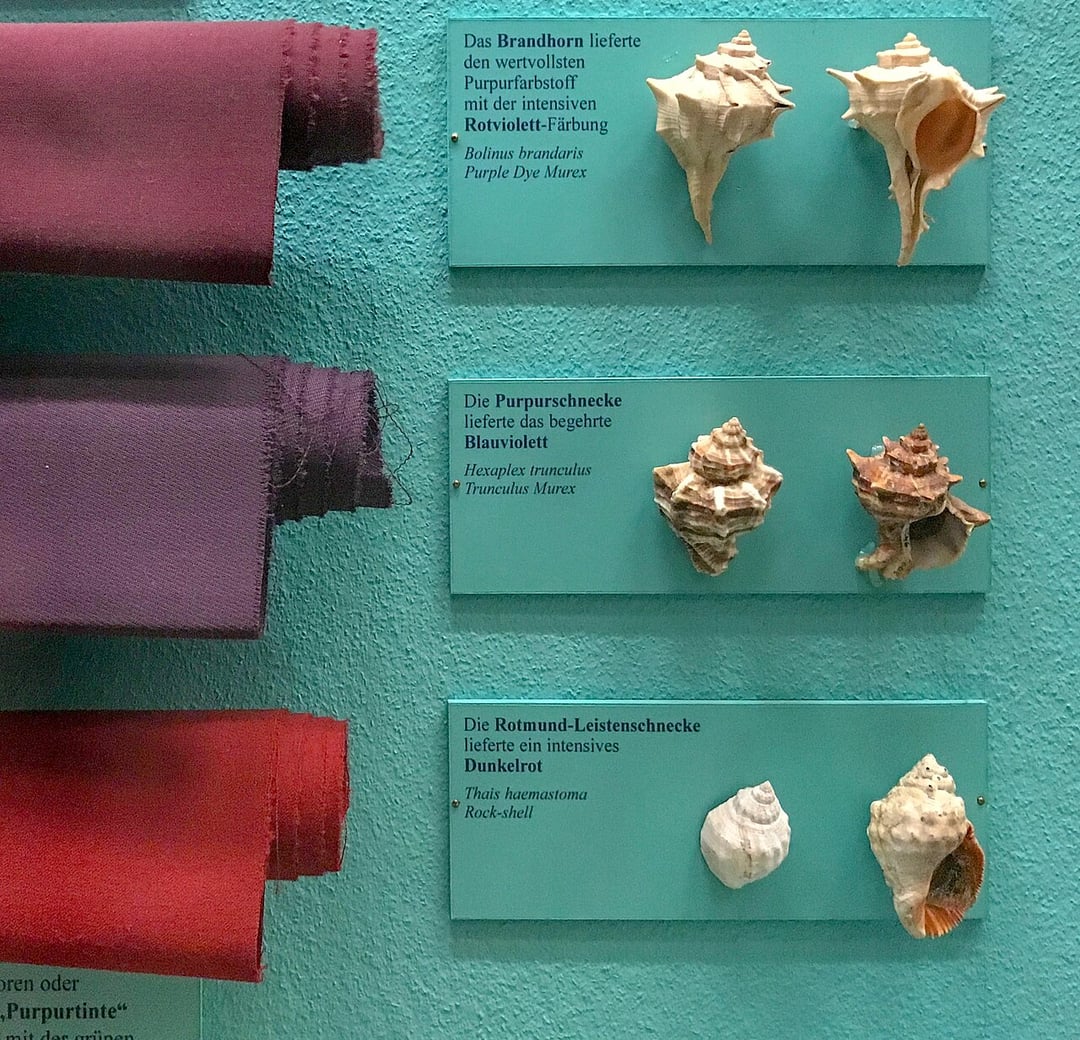
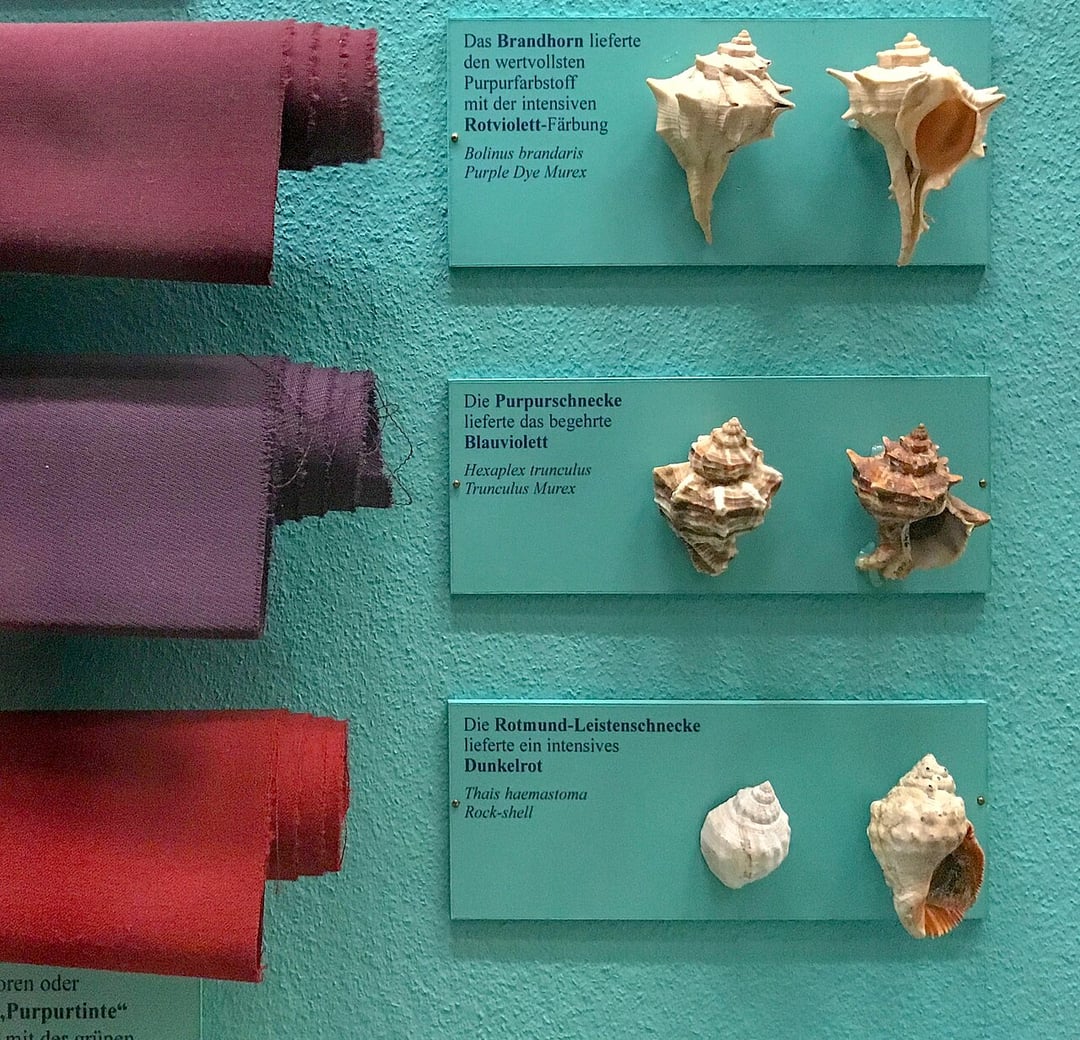
- — Tyrian Purple. Murex-snail dye from Phoenician Tyre. Pound-for-pound more expensive than gold; required 12,000 sea snails per gram. Reserved for emperors by Byzantine sumptuary law; the original luxury monopoly.
- — The Silk Road Opens. Chinese silk reaches Rome via the trans-Asian trade routes. Pliny the Elder complains it drains the empire of gold. Silk worm cultivation remained a Chinese state secret for 3,000 years until two monks smuggled eggs to Justinian in 552.
- — The Roman Toga. The toga — a single 5-metre wool semicircle wrapped around the body — was the legal uniform of Roman citizenship. Wearing one in public was prescribed by law; non-citizens were forbidden. The first garment to function as a passport.
- — Byzantine Loros. The jewelled imperial loros of Byzantium — a 5-metre gold-embroidered silk stole worn by emperors and high officials. Required two attendants to put on. The visual template of "imperial dress" Europe would imitate for 1,200 years.
- — Medieval Sumptuary Laws. Philip IV of France issues sumptuary laws — ermine for dukes, vair for counts, no silk for bourgeois wives. The medieval European norm: what you wear is dictated by who you are, by law. The legal scaffolding fashion would spend 500 years dismantling.
- — Medieval Tailors' Guild. Paris's tailors' guild charter 1292 — 700+ master tailors registered. Apprenticeship system; the master-journeyman-apprentice ladder. The institutional ancestor of every haute couture maison.