The New Look (1940-1969)
Dior's 1947 New Look re-launches Paris haute couture. Balenciaga's sculptural genius. Givenchy + Audrey Hepburn. The 1960s youth quake — Mary Quant's mini, Yves Saint Laurent's ready-to-wear, Courrèges' moon boots.
Part of Fashion
20 moments in this segment.
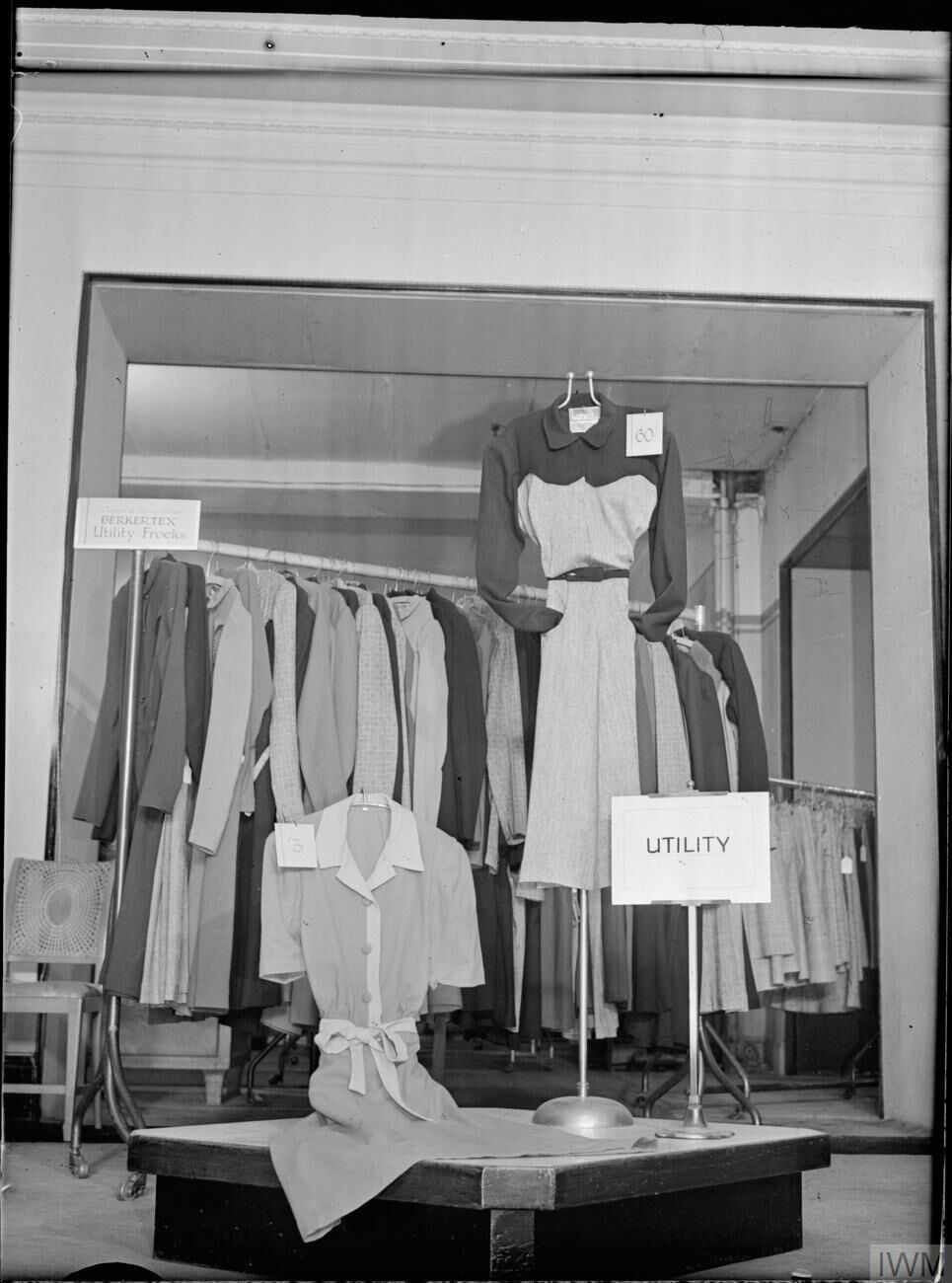
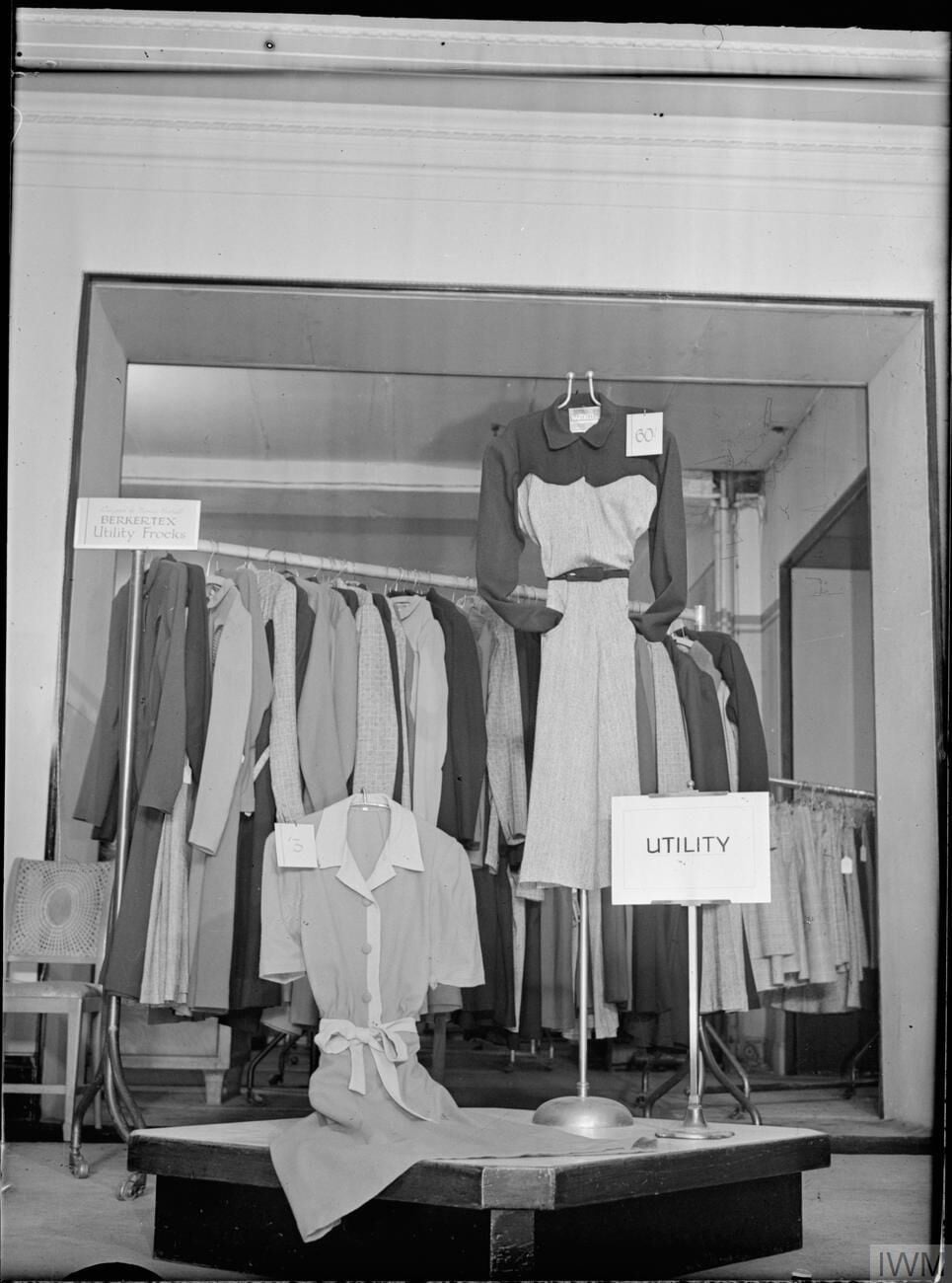
- — WWII Utility Clothing. 1941-1948. British Board of Trade introduces "Utility Clothing" — fabric rationing, mandated styles, simplified construction. The opposite of glamour for seven years. Bottled-up demand for opulence sets the stage for Dior's 1947 explosion.
- — Givenchy Founds His House. 1952. Hubert de Givenchy opens at 8 rue de l'Alboni. His 1953 meeting with Audrey Hepburn becomes one of the great designer-muse partnerships of the century — Sabrina, Funny Face, Breakfast at Tiffany's.
- — Richard Avedon — Funny Face. 1957. Funny Face (Stanley Donen, with Audrey Hepburn and Fred Astaire) — based on Richard Avedon's real-life Harper's Bazaar career. Codified the "fashion photographer as protagonist" archetype.
- — Jackie Kennedy & Oleg Cassini. January 1961. Jackie Kennedy at JFK's inauguration in a fawn coat + pillbox hat designed by Halston (for inauguration day) and her main wardrobe by Oleg Cassini. Most photographed First Lady wardrobe ever; defined American style for a generation.
- — Jackie's Pillbox Hat. The Halston-designed pillbox hat Jackie Kennedy wore to JFK's January 1961 inauguration. Spawned a decade of pillbox imitations; the small round structured hat became the visual signature of mid-century American femininity.
- — Audrey Hepburn — Givenchy Dress. October 1961. Audrey Hepburn in Breakfast at Tiffany's wearing Givenchy's black satin column dress, pearls, sunglasses. The single most-copied costume in cinema history; defined "modern femininity" for two generations.
- — Holly Golightly Black Dress. Givenchy's 1961 black satin column dress for Audrey Hepburn in Breakfast at Tiffany's. Single most-copied costume in cinema history; sold at auction for £467,200 in 2006.
- — YSL Mondrian Dress. Yves Saint Laurent's autumn 1965 Mondrian collection — knee-length wool-jersey shift dresses with Piet Mondrian's red-blue-yellow grids. The most successful art-x-fashion collaboration to date; the Mondrian dress became the cover of Vogue, Life, Time.
- — The Miniskirt. Mary Quant's 1963 miniskirt — initially 6 inches above the knee, by 1967 8 inches. The youth-quake garment of the 1960s; the first time mainstream women's fashion was driven by teenagers, not couture houses.
- — Go-Go Boots. André Courrèges's 1964 white mid-calf flat-heeled "moon boots." The defining footwear of the 1960s space-age aesthetic; worn with Quant's miniskirts to complete the youth-quake silhouette.
- — Twiggy. 1966. 16-year-old Lesley Hornby (Twiggy) named Face of the Year. 41-23-32 measurements; the first model to be world-famous on the basis of her thin, androgynous look. Defined 1960s beauty; the first "supermodel" in the modern sense.
- — Shift Dress. The shift dress — straight-cut, sleeveless, knee-length — was the 1960s' anti-fitted alternative to the New Look hourglass. Twiggy's 1966-67 magazine covers in shifts defined the silhouette.
- — Yves Saint Laurent — Le Smoking. 1966. YSL's "Le Smoking" — the tuxedo suit for women. Helmut Newton's 1975 Yves Saint Laurent campaign photograph of it became one of the most iconic fashion images ever shot. Did more than any single garment for women's power dressing.
- — Halston Ultrasuede Shirtdress. Halston's 1972 Ultrasuede shirtdress — synthetic suede-like fabric, machine-washable, fluid. The defining American sportswear-couture hybrid of the 1970s; sold 60,000+ units.
- — Mary Quant's Mini. 1963 onward. Mary Quant's mini-skirt — initially 6 inches above the knee, by 1967 8 inches. The youth-quake garment of the 1960s. Quant's daisy logo at her King's Road boutique became the visual signature of Swinging London. This photograph dates from 1969.
- — Yves Saint Laurent Opens. January 29, 1962. 26-year-old YSL opens his eponymous house after being fired from Dior. The Mondrian dress (1965), Le Smoking tuxedo (1966), the safari jacket. Founded ready-to-wear (Rive Gauche, 1966) — democratised couture. The subject dates from 1962; this photograph was taken in 2011.
- — Balenciaga in Paris. 1937 onward (Paris). Cristóbal Balenciaga — Spanish couturier — produces the most architectural couture of the mid-century. Chanel: "He alone is a couturier in the truest sense of the word. The others are simply fashion designers." Closes 1968, leaving the profession in protest at ready-to-wear. The subject dates from 1947; this photograph was taken in 2012.
- — Courrèges Space-Age Collection. 1964. André Courrèges' "Moon Girl" collection — white go-go boots, A-line minis, helmet-like hats. The space-age futurist response to Saint Laurent's traditional couture. Designed the look of Stanley Kubrick's 2001. The subject dates from 1964; this photograph was taken in 2012.
- — Halston — American Minimalism. 1968. Roy Halston Frowick founds his label. Ultrasuede shirt-dresses, draped jersey gowns. Dresses Liza Minnelli, Bianca Jagger, Studio 54. The American minimalist counterweight to Parisian elaboration; commits the first major designer-brand-licensing disaster with JCPenney 1983. The subject dates from 1968; this photograph was taken in 2015.
- — Sabrina Dress. The "Sabrina dress" — Givenchy's 1954 black wool cocktail dress with bateau neckline + grosgrain bow, made for Audrey Hepburn. The film won Edith Head a Costume Design Oscar — without Givenchy credited. He got credit after.