Kwaito
South Africa has the longest and least correctly filed house story outside America. Kwaito is house slowed to roughly 110 BPM, "When house music got popular, people from the ghetto called it Kwaito," said M'du Masilela, who made it, and it became the sound of the first generation to grow up after apartheid. Nearly every reference work, Wikipedia included, shelves it under hip-hop instead, which is the whole pattern in miniature: Black South African dance music sorted into the Black American genre slot Anglophone listeners already had a box for. Kalawa Jazmee, Arthur Mafokate, Boom Shaka, TKZee, Trompies, Mandoza, Brenda Fassie, then the deep-house decades, gqom out of Durban, and amapiano, which descends from all of it. Filed here as what it is.
Part of House Music
209 moments in this segment.
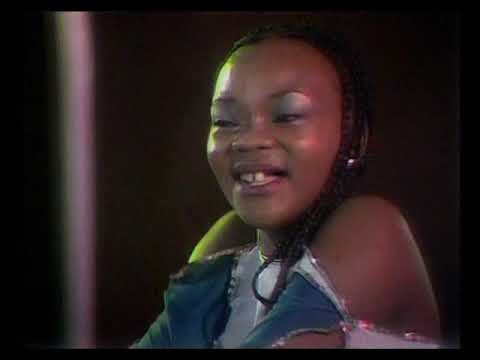
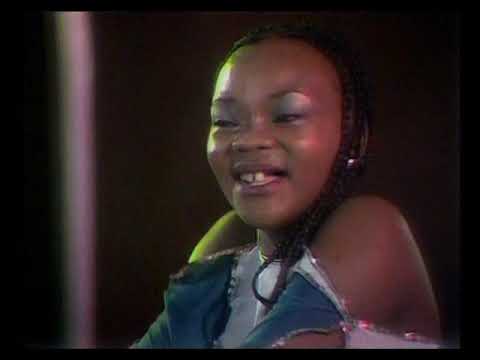
- - Brenda & The Big Dudes - Weekend Special. The breakthrough that made Brenda Fassie a star at nineteen - bubblegum, the disco-descended South African dance pop that set the template kwaito would slow down a decade later. The official video is one of very few moving images of the group from the period.
- - Brenda & The Big Dudes live at Concert in the Park, Ellis Park. Brenda Fassie performing Weekend Special to a stadium crowd at Ellis Park - the biggest integrated concert audience South Africa had assembled at that point, under apartheid. Live footage of the bubblegum era at that scale is close to non-existent.
- - Sipho 'Hotstix' Mabuse - Jive Soweto. From the album 'Burn Out' (1985). This is bubblegum, the synth-driven, disco-descended South African pop that kwaito grew directly out of, and the sound the first kwaito producers were slowing down and stripping back a few years later.
- - Senyaka - Go Away. From 'Fuquza (Dance)', Senyaka Kekana's 1987 debut and one of the foundation stones of the slowed, electronic township dance music that would be called kwaito a few years later. This predates the Chicago-house-in-Johannesburg story most accounts start with.
- - Boom Shaka - It's About Time. The debut that introduced Boom Shaka and made kwaito's biggest crossover act. The video's dancing was attacked as indecent by the same commentators who refused to hear the record as house. Mathosa's vocal is the audible link back to the gospel and disco line that house came from.
- - Boom Shaka - It's About Time. Boom Shaka's debut single, produced out of the Kalawa camp by DJ Christos with Don Laka writing, the record that established kwaito's vocal side. It is house music decelerated to a swagger, and it arrived as apartheid ended, which is exactly why the archive files it here rather than under hip-hop.
- - Senyaka - Ma-Gents. The title track of Senyaka's 1993 album, widely described as kwaito's first diss record, aimed at Brenda Fassie and Yvonne Chaka Chaka, the bubblegum stars the new township sound was displacing. An early marker of kwaito as a scene with its own internal politics.
- - Boom Shaka - Kwere Kwere. The title track of Boom Shaka's debut album, produced by Don Laka for Kalawa Jazmee. The word is South African slang for a foreign African migrant, and the group put it over a house groove pitched down to township tempo, the earliest full-length statement of what kwaito was.
- - Boom Shaka - Siya-Khala. Another cut from the 1994 Kalawa Jazmee debut, produced by Bruce Sebitlo, showing the group's gospel-leaning vocal side over the same slow four-to-the-floor. The lineage runs straight back to the vocal house records coming out of Chicago and New York a few years earlier.
- - Arthur - Kaffir. The record that broke kwaito nationally: Arthur Mafokate turning the apartheid-era slur back on the boss who used it, over slowed-down house. It landed in the first years after the end of apartheid and made township house a commercial format. Almost everything later filed as kwaito descends from it.
- - Arthur Mafokate - Kaffir (Radio Mix). The record that broke kwaito nationally, selling over half a million copies: house slowed to a township walking tempo with a Sotho/Zulu vocal that throws the apartheid slur back at the people who used it. Kwaito is filed as hip-hop almost everywhere; it is house, by the testimony of the men who made it, and this is its first mass-market hit. Arthur Mafokate came out of Soweto and built the 999 label on the back of it.
- - M'du Masilela - Y U 4 Me. One of the defining kwaito records and M'du's best-known track, written, produced and rapped by him on his own Mdu Productions imprint. Nine minutes of a single house groove held at walking pace, the structure is a DJ tool, not a rap single, which is the whole point about where this music comes from.
- - Trompies - Sigiya Ngengoma. Trompies were the Jazmee half of Kalawa Jazmee and the group that carried pantsula, the township dance and dress culture that predates kwaito, into the music. The official video is one of the few filmed records of that style at its peak, over a house rhythm slowed to about 110 BPM.
- - Thebe - Philly. Early Thebe on Kalawa Jazmee, from the first years of kwaito, when Chicago house records were being pitched down on township turntables until a local music fell out of them. The video is a rare surviving visual document of the period.
- - Chiskop - Klaimar. Chiskop, the Katlehong group that Mandoza came up in, from their Akusheshi album with Gabi Le Roux producing - the same partnership that would later make Nkalakatha. Early kwaito at its rawest: house programming pulled down to a chant tempo.
- - Chiskop - Chiskop. The group's self-titled track from Akusheshi, with all four members - Mduduzi Tshabalala, Sizwe Motaung, Sibusiso Thanjekwayo and Siphiwe Sibisi - trading vocals. A document of kwaito's first wave before any of them were famous.
- - Skeem - Waar Was Jy?. Ghetto Ruff's biggest kwaito record and a genuine crossover hit, sung in the Afrikaans-Zulu township vernacular. It marks the point where the music stopped being a Johannesburg club phenomenon and became national popular culture.
- - M'du - Ma Bankbook. One of M'du Masilela's signature records, built on the slowed four-to-the-floor South African producers made out of imported Chicago house. M'du is the clearest witness to kwaito's origins and produced much of its first decade. The swagger here is the template a hundred kwaito records followed.
- - Brenda Fassie - Vulindlela. The biggest South African record of the 1990s, from the Memeza album, made with the kwaito-era studio machinery that had grown up around Fassie. It sits exactly where township pop and slowed house met, and it is the record most South Africans name from the period. Her phrasing carries the same gospel line that runs under house everywhere.
- - Arthur Mafokate - Oyi Oyi. Arthur's biggest post-Kaffir single and the record that won him the South African Music Award for Song of the Year. The official video shows the physical vocabulary that came with the music, pantsula footwork over a mid-tempo four-to-the-floor that is house in everything but speed.
- - M'du Masilela - Mazola. Mid-1990s M'du, from the period when kwaito had taken over South African radio outright. Sparse programmed drums, a rolling bassline and a chanted hook: the machine language of house, running slow.
- - Brenda Fassie - Vuli Ndlela. Brenda Fassie's late-career comeback single, produced by Sello 'Chicco' Twala - the bubblegum lineage that kwaito grew directly out of, still selling in the years kwaito took over. It is the bridge record between South African pop and the township house that followed it.
- - Chiskop - Relax. The title track of Chiskop's Relax, between Akusheshi and Ghetto 2000 - EMI South Africa putting money behind kwaito once it was clear the records sold. Gabi Le Roux again on production.
- - M'du - Siya Jola (Ok'Salayo). From M'du Or Die, one of the albums that carried kwaito through its peak at the end of the 1990s. Masilela wrote, produced and sang it, the normal working method in a scene built on cheap studio time. It is house music at roughly 110 BPM, sung in township vernacular.
- - Boom Shaka - Free. Boom Shaka, with Lebo Mathosa and Thembi Seete out front, put women at the centre of kwaito and took the public abuse for it. This is from their late-1990s run on Kalawa Jazmee. House at township tempo, sung rather than rapped - which is precisely why filing the genre under hip-hop never made sense.
- - TKZee - Shibobo / The Final Countdown. TKZee with Bafana Bafana striker Benni McCarthy, built over the Europe riff, released around the 1998 World Cup and instantly the country's football anthem. A kwaito group taking a stadium-rock hook and running it over a slowed house track is the clearest possible demonstration that this was dance music, not rap. Tokollo Tshabalala died in 2022.
- - TKZee - Dlala Mapantsula. An instruction to the dancers, and a record that names its own ancestry: mapantsula is the township street culture kwaito grew out of. From TKZee's 1998 peak, and a good example of how close the production sits to the house records being made in Chicago and Johannesburg at the same moment.
- - Bongo Maffin - Thathi Sgubhu. Kalawa Jazmee's flagship group at their peak, produced by Oskido, with Don Laka among the writers. The title is an instruction to the DJ - 'take the drum' - and the track is house built on a South African pulse rather than an imported one.
- - Boom Shaka - Ballgame. A later Boom Shaka single from the end of the 1990s, when the group were the biggest name in South African dance music. The production is still slowed house, with the vocal-group arrangement that separates kwaito from anything in hip-hop. Released on Bula Music.
- - Boom Shaka - On & On. From the end of Boom Shaka's run, two years after their kwaito rendition of Nkosi Sikelel' iAfrika caused a national row and a year before Lebo Mathosa left and the group folded. By this point the production had drifted back toward straight house tempo, which makes the family resemblance obvious.
- - Chiskop - Abasazi. From Ghetto 2000, the CCP album that set Chiskop up for the crossover that followed. It shows the group's sound tightening toward the pop-weight kwaito that would dominate the next few years.
- - Alaska - Accuse. Alaska's signature record, on Kalawa Jazmee at the end of the 1990s. The official video is one of the few filmed artefacts of a group that otherwise survives only as audio.
- - Mandoza - Nkalakatha. The biggest kwaito record ever made and the first genuine cross-racial pop crossover in post-apartheid South Africa, it topped Black and white radio at the same time, sold around 350,000 copies, and was sung in English, Afrikaans, isiZulu and isiXhosa. Mandoza came from Soweto by way of the group Chiskop and died in 2016 at 38. The rhythm underneath the rasp is house, hardened and slowed.
- - Mandoza - Nkalakatha. The record that took kwaito out of the townships and onto every radio format in South Africa, written by Mduduzi 'Mandoza' Tshabalala and produced by Gabi Le Roux. Kwaito is house slowed to roughly 110bpm - its makers said so plainly - and Nkalakatha is the point where that South African house tempo became a national pop language.
- - Zola - Umdlwembe. The title track of Bonginkosi 'Zola' Dlamini's debut, named for the Soweto section he came from, and the record that made kwaito's hardest voice a household one. Kwaito took house and dropped it to a walking tempo so the words could carry; nothing demonstrates that better than this.
- - Zola - Mzioni. Another cut from the Mdlwembe debut, showing the album's range beyond the title track - the same slowed house programming from producer KB, with Zola's clipped Soweto delivery riding it.
- - Doc Shebeleza - Ebumnandini. A later Doc Shebeleza single for CCP, from the point at which the majors had moved in on kwaito and were pressing it at scale. Kwaito is house slowed to roughly 110 BPM, and its makers said so themselves, M'du Masilela: "When house music got popular, people from the ghetto called it Kwaito."
- - Brenda Fassie - Vulindlela live at the Kora Awards. Fassie performing her signature song at the Kora All Africa Music Awards, three years before her death. One of the few decent live records of her during the Vulindlela years. The crowd sings every line back at her.
- - Spikiri ft. Kabelo, Red, Stoane & Kamazu - Ndofaya. Spikiri of Trompies on Kalawa Jazmee, the label he co-founded with Oskido, Don Laka and Bruce Sebitlo - the central institution of kwaito, and a Black-owned one at a moment when almost no South African dance music was.
- - Thebe - Bula Boot. Thebe Mogane's best-known record and one of kwaito's durable anthems, still played in clubs twenty years on. Kwaito is house slowed to roughly 110 BPM, and its makers said so themselves, M'du Masilela: "When house music got popular, people from the ghetto called it Kwaito."
- - Senyaka - Romeo, O Shwa Jwang Unkolota. Senyaka on Sony's South African arm, comic and conversational over a house rhythm track, the register that made him one of kwaito's most recognisable voices.
- - After Robot: Kwaito Music in Johannesburg. Simon Klose's half-hour film on kwaito, shot in Johannesburg and edited for Swedish television. Kwaito is house slowed to around 110 bpm - by the testimony of the people who made it, not a South African branch of hip-hop, which is how almost every reference work still files it. Filmed close to the ground, in the townships where it was made.
- - Brown Dash ft. Zola & Mzekezeke - Puff N' Pass. Three of kwaito's biggest voices on one CCP single, with the music video that went with it. Brown Dash died in 2016 and his catalogue is poorly archived, so surviving video of him at his peak matters.
- - Kabelo ft. M'du - Nako Ifitlile (Black On Track). Kabelo with M'du Masilela, the producer who said it most directly: 'When house music got popular, people from the ghetto called it Kwaito.' A record made by the man whose testimony is the reason this archive files kwaito as house rather than hip-hop.
- - Mzambiya - Ghetto Tragedy. Mzambiya was kwaito's teenage star, signed young and pressed by a major. The record is a reminder that by the early 2000s this was mainstream South African pop, not an underground.
- - Sharp Sharp! The Kwaito Story. Aryan Kaganof's documentary on kwaito, filmed while the genre was still the dominant popular music of post-apartheid South Africa. It captures the scene at its commercial peak, before amapiano and long before any reference work considered filing it as house.
- - M'du Masilela - Chomi Yabana. M'du writing, producing and singing the whole thing himself, from the album 24 Seven. Worth carrying because the same Masilela name reappears twenty years later in the credit fight over amapiano's electronic log drum, one producer sitting at both ends of South Africa's long argument with house music.
- - Chiskop - Sinbhekile. Late Chiskop, from the Sunday album, recorded while Mandoza's solo career was already the bigger story. The production stays with Gabi Le Roux and the slowed house pulse the group started with.
- - Chiskop - Askies. Another Sunday-album cut, and one of the last Chiskop records before the group wound down. Useful as the end-point of a group whose members bracket the whole first decade of kwaito.
- - Mzekezeke ft. Brown Dash - Akekh'ugogo. Mzekezeke and Brown Dash together on CCP/TS, with the period music video. Both artists are thinly archived, so the surviving video is worth as much as the record.
- - Mzekezeke - Gandaganda. Produced by Mandla 'Spikiri' Mofokeng of Trompies - one Kalawa generation producing the next label's star. Gandaganda is kwaito at its most rhythmically stripped: a bassline, a chant and a machine.
- - Zola 7 - Ghetto Fabulous. One of Zola's biggest singles, from Bhambatha - kwaito at its most triumphal, and a reminder that the genre's subject was township life told from inside it. Sung and chanted over house programming at kwaito's slowed tempo.
- - Mzekezeke - Izinyoka. A TS Records single with its music video, kwaito at the point where it was fully a commercial pop format in South Africa while still running on the same slowed house programming.
- - Kabelo - Love Me Or Leave Me Alone. Kabelo on CSR with the accompanying video, showing kwaito's move toward outright pop songwriting while keeping the four-to-the-floor house frame underneath.
- - Brown Dash - Vum Vum (ft. M'Du, Brickz). Brown Dash with M'du Masilela, the producer who gave this archive its central quote: "When house music got popular, people from the ghetto called it Kwaito." The record is the proof of the sentence, house structure, township tempo.
- - M'du Masilela - C-Simple. Title track of M'du's mid-2000s album, a decade after his first hits and still built the same way, a producer working alone with a drum machine and a sampler. Kwaito's second decade, when the genre was competing with the SA house records that would eventually absorb it.
- - Zola - Stars. The official video from Ibutho, Zola looking back on his own run through the industry. It is a rare piece of period South African music video for an artist whose visual record is thin.
- - M'du - Home Sweet Home. A later M'du record on his own Mdu Productions imprint, a decade past kwaito's first wave and still recognisably house at walking tempo. It shows the genre kept working after the press had written it off. Masilela wrote, produced and performed it.
- - Kabelo - Kwaito General. A title that states the archive's case for itself: the genre naming its own veterans. From the Exodus album, and kwaito by then meant a career, not a scene.
- - Spikiri - Money Talks. Official music video from Mandla 'Spikiri' Mofokeng of Trompies, one of the founding figures of kwaito and a Kalawa Jazmee principal. Kwaito is house slowed to roughly 110 BPM, and its makers said so themselves, M'du Masilela: "When house music got popular, people from the ghetto called it Kwaito."
- - Spikiri - Vat-En-Sit (ft. Mandoza, Tokollo). Spikiri with two of kwaito's biggest voices, Mandoza and TKZee's Tokollo Tshabalala. The record is house at township tempo, sung in the Afrikaans-Zulu-Sotho street mix of the mines and the taxi ranks. Tokollo died on 15 August 2022.
- - Arthur Mafokate - Vuvuzela. A music video from Arthur Mafokate, whose mid-1990s breakthrough gave kwaito its first national hit and its first scandal. This is late-period Arthur, working the same slowed-house formula into stadium-season material. Filmed and posted by its own director.
- - Spikiri - Gcwala Ngo Cleva (ft. Brown Dash). Spikiri with Brown Dash, one of the last great kwaito frontmen, on Kalawa Jazmee. Late-period kwaito, by which point the genre had absorbed a harder, more rap-inflected delivery while keeping the house four-four underneath.
- - Mzekezeke - Ngihamba Phantsi (remix). A posse-cut remix pulling in Brickz, Howza, Pro and most of the TS Records roster - kwaito late in its commercial life, already overlapping with South African hip-hop without becoming it.
- - Black Coffee ft. Bucie - Superman. The record version of the biggest South African deep house crossover of its decade, from Black Coffee's album Home Brewed. Bucie's vocal over Maphumulo's keys is the template a generation of SA house singers worked from. This is house, made in Durban and Johannesburg, not an offshoot of it.
- - Black Coffee ft. Bucie - Turn Me On. The other Black Coffee and Bucie record from the Home Brewed period, slower and more gospel-leaning than 'Superman'. It shows the vocal house lineage running from New York garage straight into South African studios. Uploaded by a fan channel two years after release.
- - Black Coffee ft. Zakes Bantwini - Juju. Black Coffee and Zakes Bantwini's 'Juju', a percussion-driven house record built on Zulu vocal chant rather than an imported diva sample. It is one of the tracks that convinced European labels that South African house had its own grammar. From the album Home Brewed.
- - Black Coffee ft. Ringo Madlingozi - Mama. Black Coffee producing under Ringo Madlingozi, one of South Africa's best-known Afro-soul voices, on the Home Brewed album. The record shows house being used as the country's mainstream pop production language rather than as a club niche.
- - Culoe De Song ft. Busi Mhlongo - Webaba. Culoe De Song was still a teenager when he built 'Webaba' around Busi Mhlongo's voice, from his debut album A Giant Leap on Black Coffee's Soulistic label. It is the record that proved SA deep house had a second generation. Mhlongo, a Maskandi singer, died the following year.
- - Black Coffee - Crazy (Culoe De Song Winter Remix). Culoe De Song's remix of Black Coffee's Crazy, on Black Coffee's own Soulistic Music. Two of the defining South African house producers of the era on one record, in the deep, live-sounding style that became the country's signature abroad.
- - Culoe De Song - Webaba (Innervisions EP version). The longer version issued on Berlin's Innervisions as the Webaba EP, the release that carried Culoe De Song out of South Africa and onto European floors. Same track, different record: this is the export edition, and the reason a Johannesburg producer ended up on Dixon and Ame's label.
- - DJ Cleo - Aaaiiiyyy. A DJ Cleo single with its own video, from the Es'khaleni run that made him one of kwaito's biggest sellers. Kwaito belongs in a house archive by the testimony of the people who made it: it is house slowed down, made in the townships, and filed as hip-hop everywhere else.
- - Culoe De Song and Black Coffee at the Vodacom Red Hot Concert, Lesotho. Amateur footage of Culoe De Song and Black Coffee playing a stadium concert in Lesotho. Contemporary crowd-level video of South African house at scale, before either DJ had an international profile.
- - DJ Soul T ft. DJ Cleo - Impempe. A kwaito music video from DJ Cleo's own channel, made with Gorilla Films. Kwaito is house slowed to a walking tempo of around 110bpm - M'du Masilela put it plainly: when house music got popular, people from the ghetto called it kwaito - and this archive files it as house, which almost no reference work does.
- - Yes-Ja! The Kwaito Documentary. A feature-length documentary made by the Namibian artist EES on kwaito's spread beyond South Africa, with the artists and producers on camera. It is one of very few full-length films on a genre with almost no free-licensed visual record at all.
- - Black Coffee ft. Bucie - Superman, live from Africa Rising. Black Coffee performing 'Superman' with Bucie on the Africa Rising concert film, with a full band behind the record rather than a DJ booth. It is the song that made South African deep house a mainstream national sound. Nkosinathi Maphumulo lost the use of his left arm in a car strike on 11 February 1990, the day Mandela walked free, and built the country's largest house catalogue one-handed.
- - Black Coffee ft. Zakes Bantwini - Juju, live at Africa Rising. A thirteen-minute live reading of 'Juju' from the Africa Rising concert, with the chant carried by a live band and crowd rather than the record. Useful as footage of what a South African house show actually looked like at scale in the early 2010s.
- - Real Scenes: Johannesburg. A documentary portrait of Johannesburg's house scene, filmed with the DJs, producers and dancers who sustain it. It shows house as ordinary popular music in South Africa rather than a niche import, which is the point this archive needs made. Published January 2013.
- - RudeBoyz - Mitsubishi Song. The earliest item in this batch: a raw RudeBoyz track posted in March 2013, before gqom had a name in print. The uploader calls them 'Durban based young House producers' and describes the sound as a home-brewed version of house, which is precisely the filing this archive argues for. It is a document of the genre in the moment it was still just local house.
- - DJ Spoko - Batauweng (feat. Kapa Kapa). A track by the Pretoria producer DJ Spoko, a central figure in bacardi house, the fast Tshwane strain that later fed into amapiano. Released by his label ahead of the Ghost Town EP.
- - Uhuru - Y-Tjukuja (feat. Professor, Oskido, DJ Bucks). A Kalawa Jazmee record from the group that bridged kwaito and the house-driven Gqom/amapiano decade, with Oskido himself on the credit. It shows the Johannesburg label system still working two decades after kwaito began.
- - Uhuru - Thath'isgubhu (feat. Bongo Maffin). Uhuru rebuild the Bongo Maffin anthem fifteen years on, again on Kalawa Jazmee and again produced by Oskido, with the original group singing on it. It shows the label's house lineage handing itself forward to the generation that would carry it into amapiano.
- - Professor ft. Oskido & Uhuru - Speaker (University of Kalawa Jazmee). From Kalawa Jazmee's University compilation, the label putting its veterans and its new signings on the same record. The Uhuru credit here is the same crew whose members would go on to shape the next decade of South African dance music.
- - Black Coffee in The Lab LDN. A house set for Mixmag's London studio sessions, from the period when Black Coffee was still being introduced to European audiences. Shows the sound before the festival-scale production arrived: long, patient, percussive. An early record of South African house being taken seriously in the UK press.
- - Oskido ft. Heavy K & Nokwazi - Woza Nana. Oskido two decades into the job, now working with Heavy K out of the Eastern Cape - the kwaito generation feeding straight into the South African house that would carry the country into the amapiano years.
- - Origins: Black Coffee (Resident Advisor). Resident Advisor's film on how Nkosinathi Maphumulo became South African house's biggest export, shot in South Africa. He has DJed his whole career with the use of one arm, after being hit by a car in February 1990 while celebrating Nelson Mandela's release. The film connects township house directly to the international circuit he later dominated.
- - Culoe De Song: deep tech house DJ set in Cape Town. A filmed and streamed club set by Culoe De Song, one of the producers who carried South African deep house to European floors. Pre-amapiano South African house played in the room it was made for.
- - Black Coffee in 2015. Black Coffee, the South African DJ and producer who took Durban and Johannesburg house to an international circuit. South African house is the largest living house culture and is routinely left out of the standard histories.
- - Black Coffee - Boiler Room Johannesburg. Black Coffee playing in Johannesburg, the city where South African house became a mass-market music rather than an import. He plays one-handed after the 1990 car crash that damaged his left arm, and this broadcast is the moment the international audience for South African house became impossible to ignore.
- - Black Coffee - Mixmag Live, Village Underground, London. A three-hour Black Coffee set filmed at Mixmag's monthly London party, long enough to show how he actually builds a night rather than a highlight reel. It captures the point where the South African deep-house sound broke fully into the European club circuit.
- - Babes Wodumo - Wololo (feat. Mampintsha). The single that broke gqom nationally and made Babes Wodumo the genre's biggest star. Produced by Distruction Boyz for West Ink, it is house at gqom's lurching tempo, and it did for Durban what a Chicago 12-inch did in 1986. It later anchored the album Gqom Queen, Vol. 1.
- - RudeBoyz - Gqom Originators. A RudeBoyz track issued on NON Worldwide's first compilation, one of the first times Durban gqom appeared on an international release. The title is a claim, and it is a fair one.
- - Shimza and Black Coffee. DJ Shimza playing alongside Black Coffee. Both came out of township scenes that fed South African house, kwaito and later amapiano.
- - Arthur Mafokate on the SABC's 90% local music quota. News reporting on the SABC's decision to play 90% South African music across its eighteen radio stations, with Mafokate arguing it changed how South Africans hear themselves. Radio quotas are the single biggest lever on what a national dance scene sounds like, which makes this an industry story as much as a musical one.
- - Babes Wodumo - 'Wololo' performance, Durban 2016. Amateur footage posted by a Durban dance-crew channel of 'Wololo' performed and danced in 2016, the year the track went national. Gqom's dance form, bhenga, is inseparable from the music, and clips like this are most of what survives of it. Babes Wodumo was the first woman to front the genre in the mainstream.
- - 'Wololo' bhenga dance battle, Durban 2016. A street bhenga dance battle set to 'Wololo', filmed in Durban in 2016. Bhenga is the dance gqom was made for, and this kind of phone footage is the only real archive of how the music was actually used. It shows the scene as participants, not as an audience.
- - DJ Lag - Ice Drop. The track that made DJ Lag the international face of gqom, released via London's Goon Club Allstars. Its hollowed-out drums and single sliding motif are gqom's whole method in three minutes. Durban producers had been making this for years before a European label put a name on it.
- - DJ Christos - guest mix, Deeper Shades of House 512. An exclusive guest hour from DJ Christos, one of the first South African house DJs to record and release rather than only play. Deeper Shades of House gave the SA deep house lineage a standing international broadcast slot when very little else did.
- - Black Coffee interviewed on BBC 1Xtra. Black Coffee talks to DJ Edu about carrying South African house to an international audience, at the point where he stopped being a domestic success. South African house is house rather than an offshoot of it, and this is a mainstream British broadcast treating it that way.
- - Babes Wodumo performs 'Wololo' on Thursday Night Live. A live television performance of 'Wololo' on the opening episode of Robert Marawa's Thursday Night Live. Broadcast footage of South African house is scarce and rights-locked, which makes any surviving TV appearance valuable. It captures gqom at the exact point it crossed into mainstream South African broadcast.
- - Trompies perform Sigiya Ngengoma on Expresso. Twenty years after the record, Trompies play it live on South African breakfast television as part of a football campaign built around remakes of kwaito standards. It shows the music's afterlife as national heritage, and the group has since been among the loudest voices on how badly kwaito artists were paid for it.
- - Vinny Da Vinci - guest mix, Deeper Shades of House 546. An exclusive hour from Vinny Da Vinci on Lars Behrenroth's long-running Deeper Shades of House radio show. The show is one of the few places outside South Africa that has carried SA deep house continuously for two decades, and the guest hour is the closest thing to a recorded statement of Vinny's selection.
- - Black Coffee in The Lab, Miami Music Week. Black Coffee in Mixmag's Miami studio during Miami Music Week, playing the Afro-house sound that would later run through his Grammy-winning album and his work with Drake. Miami Music Week is the industry's annual trade fair, so the booking itself marks how far the South African scene had moved into the business.
- - Citizen Boy - Gqom Edits 001. A Citizen Boy edit published by Norient alongside its reporting trip through Durban's townships, where the writers met and interviewed the producers directly. It is one of the few contemporaneous outside documents of the scene at source rather than at a festival.
- - Black Coffee: The Journey. A short film built around Black Coffee's album Pieces of Me, tracing his route from Durban and the Red Bull Music Academy to international stages. It is the fullest first-person account of the most globally visible South African house artist.
- - Oskido - 50 Degrees (feat. Nokwazi, Presh BeatMaster). A late record from one of kwaito's founders and the co-founder of Kalawa Jazmee, still making dancefloor music thirty years on. It documents the continuity between the kwaito generation and contemporary South African house.
- - TLC Fam - Isbethelo seGqom. A Gqom Oh! release from Durban, where producers stripped house down to raw drums and space and built a genre out of it. Gqom descends from South African house by way of kwaito, and this label was the route by which it reached listeners outside the country.
- - Distruction Boyz - Omunye (feat. Benny Maverick & Dladla Mshunqisi). The Durban record that carried gqom out of the townships and onto national radio, from the album Gqom Is The Future. Gqom is a house subgenre built from Zulu percussion and stripped-back, broken 4/4 - the uploader's own text calls it that. It is the moment gqom stopped being a local scene sound.
- - South Africa's gqom goes global. A short broadcast report on gqom, the raw Durban strain of house that spread through phone-to-phone sharing and free downloads before any label was involved. It shows the distribution mechanism as clearly as the sound.
- - Spikiri on the death of kwaito. Spikiri of Trompies and rapper Kid X argue that payola and radio bribery hollowed kwaito out from the inside. Short, but it is one of the genre's founders naming the industry mechanism that killed it. The complaint is a house-industry story, not a hip-hop one.
- - Black Coffee at Salle Wagram, Paris. The South African DJ playing Paris's oldest ballroom for Cercle, filmed as a single continuous set. Black Coffee is the figure who carried South African house onto the global circuit without diluting it, and this is him at the point that became undeniable. Deep, unhurried, and built on African percussion rather than European build-ups.
- - Vinny Da Vinci - sunrise set at The Annual Imbizo, Newcastle. Vinny Da Vinci playing the sunrise slot at The Annual Imbizo in Newcastle, KwaZulu-Natal. The all-night-into-morning set is a South African house ritual carried over directly from the Loft and Garage tradition of playing until the room empties.
- - Lady Sakhe and DJ Christos live at House 22. Lady Sakhe and DJ Christos playing House 22 on the SculpturedMusic Breath Again album tour. An album tour built around DJ sets rather than a live band is how the South African house industry actually promotes records.
- - Kabza De Small & Leehleza - Umshove. One of the records that established amapiano's log-drum-and-shaker template and made Kabza De Small its central producer. Amapiano runs at roughly 112 BPM - the same walking tempo kwaito slowed house to in the 1990s, which is the strongest structural argument that all of it is one lineage.
- - Kalawa Jazmee at 24: fans tell the label's origin story. Vox-pop interviews filmed at Kalawa Jazmee's 24th-anniversary showcase, where attendees try to recount how the label came together. Kalawa is the imprint that carried kwaito out of the townships onto national radio, and it is as old as South African democracy. Kwaito is house slowed to roughly 110 BPM, and its makers said so themselves, M'du Masilela: "When house music got popular, people from the ghetto called it Kwaito."
- - Kabza De Small performs 'Umshove' on Massive Music. Kabza De Small playing 'Umshove' on Channel O's Massive Music stage in December 2018, before amapiano had national saturation. Channel O's archive is one of the only broadcast records of this period of South African house, and it is largely rights-locked. Catching the sound on television this early is unusual.
- - The role of South African dance music under apartheid. A researched short documentary on how bubblegum, Afro-synth and kwaito carried resistance through the apartheid years and into the transition. It is the clearest published statement of the lineage this archive files as house rather than hip-hop.
- - Kabza de Small interview, 2019. A 38-minute interview with Kabza de Small from before amapiano had international traction, and before he became one of the most-streamed artists in Africa. Early interviews with a producer who later stopped giving them are the kind of record that only exists by accident.
- - Citizen Boy - Mzansi (feat. ANT the Artist & Simore). A vocal Citizen Boy track released through the Bandcamp gqom underground rather than a label. That distribution route is how most gqom reached listeners outside South Africa.
- - MFR Souls - Lalela (feat. The Squad). An early MFR Souls single from the EP The Beginning, made when amapiano still sounded closest to deep house. The duo are among the producers usually credited with shaping the sound in Gauteng.
- - Oskido on the Kalawa Jazmee formula. Oskido recounts the founding of Kalawa Jazmee and how B.O.P. Records shaped South African dance music and kwaito, including how he handled tempo. It is a first-hand account from one of the handful of people who turned imported house records into a South African genre.
- - Scorpion Kings Tour, episode 2. Road footage shot on Maphorisa and Kabza de Small's first Scorpion Kings tour, in the year amapiano broke nationally in South Africa. Filmed by the artists' own team, it shows the circuit - halls, clubs, drives - that carried the sound out of Gauteng.
- - Vinny Da Vinci - classic house set at The Roof, Fourways. A full classic house set from Vinny Da Vinci filmed at The Roof in Fourways, Johannesburg. Footage of a South African club night rather than a mix upload, which is rare for this scene at this length.
- - Thebe live at Kwa Ace, Khayelitsha, Cape Town. Thebe performing 'Bula Boot', 'Nomathemba' and 'Rea di Busa' in a Khayelitsha venue, shot on the floor rather than from a stage rig. Live kwaito footage of any kind is scarce, and this shows the music in the setting it was made for.
- - MFR Souls - Love You Tonight (feat. Sha Sha & Kabza De Small). A key early amapiano record pulling together MFR Souls, DJ Maphorisa, Kabza De Small and Sha Sha in one credit line. Sha Sha's vocal is the link back to the gospel and soul lineage that vocal house has drawn on since the Paradise Garage.
- - Shaya! Origins of Amapiano. An independent South African documentary on where amapiano came from, made and released while the genre was still a local concern rather than an export. It covers the music, the dance and the lifestyle around it from inside. Early, first-hand, and made by people in the scene.
- - Black Coffee on HomeGround. A short broadcast profile in which Nkosinathi Maphumulo looks back on herding his grandmother's cattle in the Eastern Cape before turning to music, and forward to his Music is King festival. It is a rare piece of South African broadcast footage that treats a house DJ as a national figure rather than a nightlife act.
- - Scorpion Kings - Live Stream 2. The second of the Scorpion Kings' April 2020 lockdown streams. The series ran while gatherings were banned and did more to spread amapiano nationally than any single release.
- - Black Coffee - lockdown home set, April 2020. Black Coffee playing a long set from home during the first weeks of South Africa's COVID lockdown, when the club circuit stopped worldwide. The lockdown streams kept the SA house economy visible while venues were shut. Re-posted by a third-party channel.
- - Scorpion Kings - Exclusive Live Mix 3. A lockdown-era Scorpion Kings mix, streamed in April 2020 when South Africa's clubs were shut. Amapiano's national breakout happened during exactly this period, through streams and phone-shared files rather than dancefloors.
- - DJ Cleo - Lockdown House Party finale set. DJ Cleo's set for the finale of Lockdown House Party, the South African broadcast series that ran DJ sets to a nationwide audience while clubs were closed in 2020. It made house the country's default television music for a season.
- - Citizen Boy - Gqom Killa. A later Citizen Boy track, harder and cleaner than his early material, from the album We Are One. It shows gqom's core rhythm surviving intact into the amapiano years.
- - Oskido on the evolution of South African music. A news-channel interview in which Oscar Mdlongwa traces twenty-five years of South African music from kwaito through house to what came next. Broadcast interviews like this are effectively the only archive this scene has - Wikimedia Commons holds zero images of kwaito.
- - #GqomFridays Mix Vol.160, mixed by RudeBoyz. An episode of Durban's long-running weekly gqom mix series, mixed by RudeBoyz. The series is the scene's own distribution system and ran for hundreds of volumes, which is a better picture of the music's working life than any single release.
- - How Okmalumkoolkat and Dokta SpiZee remade kwaito. A short film on the new-age kwaito sound of the 2010s and the producers who rebuilt it after the genre's commercial decline. It places kwaito where it belongs, as township house that surfaced with democracy, and names Arthur Mafokate's generation as the start. The line from here to amapiano is the same line.
- - MFR Souls - Amanikiniki (feat. Kamo Mphela & Major League DJz). One of amapiano's first genuine crossover videos, with Kamo Mphela's dancing as central to it as the record. It arrived as the genre was going from township circulation to national pop.
- - Searching for Spirit: The Rebel. Lianne Cox reflects on the ten years she spent filming the kwaito scene, cut from her own 1990s footage. The material inside is the archive; the essay around it was assembled during the 2020 lockdown.
- - Balcony Mix Africa: Major League DJz b2b Josiah De Disciple, Tanzania. An episode of Major League DJz's Balcony Mix series, filmed at sunset in Tanzania with Josiah De Disciple. The series was the single most effective vehicle for taking amapiano to the rest of the continent and the diaspora.
- - DJ Maphorisa and Kabza de Small on how they met. The two producers sit together and tell the origin story of the Scorpion Kings project as amapiano was breaking beyond South Africa. Kabza de Small rarely gives interviews, so a recording with both of them in the room is unusually valuable.
- - Black Coffee - Tiny Desk (Home) Concert. Black Coffee's NPR Tiny Desk (home) concert, playing his catalogue with live musicians rather than as a DJ. It arrived a year before he won the Grammy for Subconsciously on 3 April 2022, and stands as the clearest broadcast statement of what South African house sounds like unplugged.
- - Josiah De Disciple - Groove Cartel amapiano mix, 2021. Josiah De Disciple's earlier Groove Cartel session, recorded as amapiano was peaking domestically. Set beside the 2024 one it shows three years of drift in the same producer's sound.
- - DJ Maphorisa & Kabza De Small - Pretty Girls Love Amapiano, Zone 6. Over two hours from Zone 6 Venue in Soweto, the room most associated with amapiano's home crowd. Playing the sound where it was made, rather than at a festival, is what makes this worth keeping.
- - Oskido - Back to the Future (feat. Spikiri, Professor, Lady Du). Kwaito veterans Oskido, Spikiri and Professor recording alongside Lady Du at the height of amapiano. The record makes the family resemblance explicit: the same Johannesburg lineage, the same walking tempo, thirty years apart.
- - Kings of amapiano: DJ Maphorisa and Kabza De Small in conversation. A long sit-down interview with the Scorpion Kings, the producer pair at the centre of amapiano's rise, talking about how they work and how the sound came together. First-person testimony from the people who made it.
- - Oskido on building Kalawa Jazmee. Nearly three hours with Oscar Mdlongwa on the label he built: Bongo Maffin, Mafikizolo, the YFM years, and the generation of DJ Zinhle and DJ Maphorisa that followed. This is the business history of South African house told by the man who financed most of it, and the closest thing the genre has to a founder's oral record.
- - Oskido on the founding of Kalawa Jazmee. Oskido (Oscar Mdlongwa), DJ, producer and co-founder of Kalawa Jazmee, tells the story of the label's start-up years, from selling records and playing taxi ranks to running one of South Africa's biggest houses. First-hand testimony from the person who signed Boom Shaka and Bongo Maffin.
- - Oskido on how Kalawa merged with Jazmee. Oscar 'Oskido' Mdlongwa telling the founding story of Kalawa Jazmee first-hand - how his Kalawa label merged with Don Laka and Bruce Sebitlo's Jazmee to build the house that kwaito was made in. First-person testimony from someone who was in the room.
- - DJ Maphorisa on discovering amapiano. A 43-minute conversation covering Maphorisa's Pretoria childhood, his gospel and afro-house grounding, and how he moved into amapiano and its business. There is no first amapiano record to point at - the genre condensed out of untitled, uncredited productions - so first-hand accounts like this are the primary evidence.
- - Josiah De Disciple - Dala What You Must (feat. Amaroto). A Josiah De Disciple track with Amaroto, released on his own channel. It is the private-tape end of amapiano: released quietly, spread by dancers and DJs rather than radio.
- - Inside Africa: Amapiano. A broadcast report on amapiano as a township-born sound shaped by house, jazz and hip-hop, and on the culture and style that travel with it. Useful because it interviews the people making it rather than explaining them. The house lineage is stated on camera.
- - Scorpion Kings - Road to Scorpion Kings Live exclusive mix. A two-hour Kabza De Small and DJ Maphorisa mix released ahead of their Scorpion Kings Live show at SunBet Arena on 22 July 2022. The Scorpion Kings pairing is amapiano's equivalent of a house production duo running the label, the parties and the sound at once.
- - This Is Amapiano. A BBC film shot in South Africa on the genre's home ground, tracking amapiano from township parties to dancefloors abroad. It is the first substantial international broadcast treatment of the sound, and it correctly treats it as dance music with a South African lineage rather than an exotic novelty.
- - This Is Amapiano - BBC Africa documentary. The BBC's documentary on amapiano's move from Gauteng townships to dancefloors worldwide, including the role of viral dance challenges in carrying it. Amapiano is house music: a South African descendant of it, running around 112 bpm, and this archive files it accordingly rather than as an offshoot of hip-hop. Director's cut.
- - The story of Afro house: from apartheid to amapiano. A documentary episode tracing South African dance music from the late-apartheid era through Afro house to amapiano. Useful as the connective tissue between the kwaito years and the current generation, and it treats the whole lineage as house.
- - DJ Christos - guest mix, Deeper Shades of House 790. DJ Christos returning to Deeper Shades of House nearly three hundred episodes after his first guest slot. The two shows together are a useful before-and-after of how the South African deep house selection changed across six years.
- - Black Coffee - The Diary of a CEO interview. A 68-minute interview covering Black Coffee's childhood in Mthatha, the accident on 11 February 1990 - the day Nelson Mandela walked free - in which a car with its headlights off struck him in the celebrating crowd and cost him the use of his left arm, and the economics of a DJ charging six figures a set. The commonly repeated 2005 bus-crash version of that story is wrong.
- - Don Laka on the music business, Kalawa and amapiano. A long-form interview with keyboardist, producer and Kalawa co-founder Don Laka on how the South African record business actually pays, ownership, publishing and who ends up holding the masters. He traces the line from kwaito through to amapiano, which arrives at almost exactly the same walking tempo two decades later.
- - Spikiri, Eugene Knox & 2.5 - Tana La!. A kwaito founder recording with the amapiano generation, Reece Madlisa and Zuma alongside rapper Kwesta. It is the tempo rhyme made literal: kwaito slowed house to ~110 BPM in the 1990s, amapiano returned to ~112 BPM in the 2010s, and the same man is on both records.
- - What's driving the rise of South Africa's amapiano?. A news report on amapiano's move from Gauteng townships to global streaming charts during and after the pandemic. Amapiano is a house music: roughly 112 BPM, descended from the same lineage that produced kwaito, and it belongs in this archive rather than in a hip-hop one.
- - Black Coffee on the Grammy, Drake and Beyoncé. A very long South African podcast interview covering his Soulistic label, the Grammy for Subconsciously, and his work with Drake and Beyoncé. The most detailed account he has given of how a South African house producer ended up at the centre of American pop.
- - Scorpion Kings - Exclusive Mix E3, live at Mahem Raceway. Kabza De Small and DJ Maphorisa playing for over two and a half hours at Mahem Raceway. The scale of the set - and of the crowd - is the measure of how far amapiano had moved from Soweto bedrooms by 2023.
- - DJ Fresh (SA) - Journey To Africa. A recent single from Thato Sikwane, the radio DJ who has been one of the loudest voices for house in South Africa since the 1990s, released on his own Big Dawg Productions. Evidence that the founding generation is still releasing rather than only touring.
- - DJ Maphorisa on where amapiano actually started. Maphorisa gives his own account of when and where amapiano began, against the competing township claims from Pretoria, Soweto and the Vaal. There is no first amapiano record and the origin is genuinely disputed, so the participants' own testimony is the primary evidence.
- - News report: 'The Kalawa Jazmee Story' docu-series premieres. Broadcast report on the four-part Kalawa Jazmee docu-series going to air on Mzansi Magic, with co-founder Oskido explaining why the label wanted its own history on record. The label produced Boom Shaka and Bongo Maffin and is the commercial spine of kwaito.
- - DJ Christos - five-hour house set at Babbi, Cape Town. Five uncut hours of DJ Christos at Babbi in Cape Town. Sets of this length are how house was originally played - one DJ, one room, all night - and full-length footage of it from South Africa is scarce.
- - Amapiano: the South African house that moved the world. ARTE's Tracks report on amapiano, which states plainly what most coverage avoids: this is South African deep house, slower and more spacious, not a hip-hop subgenre. It follows the log-drum sound from the townships to TikTok without treating it as novelty. Good European broadcast reporting on a scene usually covered badly.
- - Kalawa Jazmee Story, episode 1: The Legacy of Groove. The opening episode of 1 Magic's broadcast series on Kalawa Jazmee, tracing South African nightlife through the label that built kwaito. Broadcast documentary on a label whose own history is otherwise almost entirely undocumented on video.
- - Josiah De Disciple - Groove Cartel amapiano mix, 2024. A 106-minute Josiah De Disciple mix for Groove Cartel, whose text credits him as one of the producers who birthed the genre. The length lets the tribal, ancestral rhythm side of his sound actually unfold.
- - Josiah De Disciple - Satori Experience live set. A 68-minute Josiah De Disciple set staged around his Satori release. His work sits at the darker, more spiritual edge of amapiano, closer to Black Coffee's Afro house than to the pop end.
- - Masters At Work - Boiler Room Johannesburg. The New York pair play the Allstars stage at Boiler Room x Ballantine's True Music 10 in Johannesburg. The pairing is the point: the founders of the American vocal-house tradition playing to a South African crowd that has spent thirty years building its own house culture.
- - Brown Dash: the rise and fall of a kwaito legend. A documentary episode on Siphiwe 'Brown Dash' Mampile, following his run of hits and his early death. Kwaito is South African house slowed to a walking tempo, not hip-hop, whatever the reference works say. This is one of the few sustained pieces of research on a single kwaito career.
- - Scorpion Kings - tour mix for New York and London. A long mix issued to trail Scorpion Kings shows at Central Park SummerStage in New York and Southwark Park in London. Amapiano headlining Central Park is the clearest marker of a South African house form completing the export route in reverse.
- - DJ Fresh - live band deep house set, EnoSoul birthday. DJ Fresh playing a deep house set with a live band at EnoSoul's twelfth annual birthday celebration, a fixture of the Gauteng house calendar. The billing around it - Vinny Da Vinci, Oskido, Christos, Ganyani - is effectively a roll call of the people who built the South African scene.
- - Major League DJz and Distruction Boyz - Balcony Mix, Durban July. An hour of the Balcony Mix series recorded at Durban July, with the Distruction Boyz bringing gqom into an amapiano set. The series is South Africa's answer to the streamed-set format, and this edition shows the two Durban and Gauteng strains sharing a stage.
- - Mr JazziQ & Vigro Deep - Groove Cartel amapiano mix. Mr JazziQ and Vigro Deep back to back for Groove Cartel, two producers from different corners of amapiano reunited on one deck. Their split styles - JazziQ's harder bacardi lean against Vigro Deep's melodic side - are audible against each other.
- - Vinny Da Vinci - South African deep house set for Defected. Vinny Da Vinci, co-founder of House Afrika and one of the people who first pressed and sold house records in South Africa, recording a set for Defected. A veteran of the Johannesburg scene inside the biggest British house institution, playing SA records on their terms.
- - Oskido reflects on thirty years of democracy. Part of SABC's Democracy 30 strand: Oskido sets his own career against the three decades since 1994 and announces his Big Day Out festival. It places kwaito and South African house where they belong, as the popular music of the post-apartheid era rather than a subculture.
- - DJ Christos at The Loft, Cape Town. DJ Christos playing The Loft in Cape Town at the end of 2024, introduced by the venue as the godfather of the local house scene. A long deep house set from a DJ who has been working since the early 1990s, filmed in full.
- - Black Coffee live at Pirenopolis, Brazil. Black Coffee headlining the first Black Coffee Experience in the mountains of Goias, filmed as a full two-and-a-half-hour set. Evidence of how far South African house now travels under its own brand rather than as a guest slot. The current festival circuit as it actually looks.
- - DJ Lag - Woza (feat. Sykes & Sir Trill). A late-period DJ Lag single that folds amapiano vocalists Sir Trill and Sykes into a gqom frame. It is evidence of the two South African house strains converging rather than competing.
- - DJ Cleo with Stimela - Go On (Living Your Life), live. DJ Cleo, one of kwaito's most prolific producers, appearing on bass with Stimela for a live performance of 'Go On'. Kwaito is house slowed to about 110bpm, not hip-hop, and moments like this show how close its producers stayed to the older South African band tradition.
- - DJ Lag - gqom DJ set, Amsterdam Dance Event. A 46-minute gqom set from Durban's DJ Lag at an Amsterdam Dance Event showcase, the genre's most exported artist playing to a European club-industry crowd. It documents gqom's arrival in the same rooms that book house from everywhere else.
- - DJ Lag live at Ultra South Africa, Johannesburg. An hour of DJ Lag on The Groove Room stage at Ultra South Africa, the festival's dedicated amapiano and Afrotech stage. It places gqom on the country's largest commercial electronic bill rather than in a specialist room.
- - Vigro Deep - amapiano DJ set, US debut in New York. Vigro Deep's first US show, billed by the promoter as the first amapiano headline set in its series. American bookings of South African house on their own terms, rather than as a guest feature, are recent enough to be worth marking.
- - Black Coffee - Mayan Warrior, Burning Man. Black Coffee's first Burning Man, playing a three-and-a-half hour set from the Mayan Warrior art car on the playa. It is a full document of where the Afro-house sound sits in the current festival economy, a long way from the Johannesburg clubs where he started.
- - Vigro Deep b2b Kwamzy - secret stage, Rocking the Daisies. Vigro Deep back to back with UK DJ Kwamzy on a secret stage at Rocking the Daisies, over 100 minutes long. The South Africa-UK pairing is the same two-way traffic that carried house between Chicago, New York and London forty years earlier.
- - Kabza De Small: amapiano DJ set in New York. The producer most responsible for amapiano's sound playing a full solo set in New York, filmed in July 2025. It documents the moment the genre stopped being an export and started being a circuit of its own.
- - Sbu 'Malawyer' Nthsangase on kwaito's beginnings. A long conversation with a kwaito pioneer who met Arthur Mafokate at Blue Street Studios in the late 1980s, a room run by the engineer Julia Mabika. It reaches back before kwaito had a name, to the studios where imported house records were being remade for South African dancefloors.
- - The Scorpion Kings story - Kabza de Small and DJ Maphorisa. A short documentary on the duo who carried amapiano from Gauteng file-sharing networks to global streaming. Amapiano is kwaito's descendant and house's grandchild - it arrives at roughly the same walking tempo South African dance music has returned to for twenty-five years.
- - DJ Maphorisa, Xduppy and Benzoo - studio session. Half an hour inside an amapiano session as a track is built. It is the modern equivalent of a gear demonstration: log drums, keys and vocal takes assembled in the room, showing how the sound is actually made rather than described.
- - Josiah De Disciple live at Disciple Sundays. A long set from Josiah De Disciple's own Disciple Sundays party. Resident-night footage shows how the music works over hours rather than as a festival highlight reel.
- - DJ Lag - Southside Mixtape. A full-length mixtape of DJ Lag's own productions with a published tracklist, released on his own channel. It works as a snapshot of where Durban's sound sat in 2025, with collaborators from across South African dance music.
- - DJ Lag & Zee Nxumalo - NgyaSindelwa (feat. K.C Driller). The lead cut from the Southside Mixtape, issued separately with a video. Zee Nxumalo's vocal pulls the track toward pop while the drums stay firmly gqom.
- - Xplosion: inside South Africa's underground taxi raves. A reported documentary on the taxi-sound-system rave culture that grew out of apartheid-era influx-control laws, where Black drivers built an illegal transport network and then a party culture on top of it. A rare piece of journalism on a scene almost nothing else has filmed.
- - Zanele 'Nestum' Nyakale on kwaito's roots. An hour-long episode of the Kwaito is Not Dead series in which Nestum recounts where the genre began and what Arthur Mafokate's involvement meant for her own career. Women's accounts of kwaito's formation are scarce, which makes this one worth keeping in full.
- - Oskido pays homage to M'du Masilela. Oskido, co-founder of Kalawa Jazmee, salutes M'du Masilela, the producer most often called the godfather of kwaito. Masilela is the source of the testimony this archive files kwaito by: 'When house music got popular, people from the ghetto called it Kwaito.' Kwaito is house at a walking tempo, not hip-hop.
- - DJ Phaphane: Amapiano to the World, Paris. A South African DJ playing a filmed amapiano set in Paris, mixing it with three-step, gqom and afrobeats. Amapiano is house's South African descendant by way of kwaito, which the people who made it described plainly as house slowed down for the townships, whatever the reference works file it under; sets like this are how that lineage travelled back into European clubs.
- - DJ Lag - gqom DJ set live in Paris. An 82-minute DJ Lag set recorded in Paris, the longest continuous gqom document in this batch. Sets of this length show the genre as a functioning club music rather than a handful of exportable singles.
- - DJ Fresh - deep and soulful house set at UltraMog. A long DJ Fresh set recorded at UltraMog's riverside event, showing the deep and soulful strain that South African crowds have kept in rotation while the rest of the world cycled through EDM and amapiano. A working record of the current SA club circuit.
- - Vinny Da Vinci - sunset set, Somnyama Sunsets 013. Vinny Da Vinci playing a sunset set at Somnyama Sunsets, recorded at Tiger's Milk Waterfall Walk. Thirty years into the South African house scene, its founding DJs are still the headline acts, which is not true of most house scenes elsewhere.
- - Vigro Deep - amapiano DJ set, DESCENDANTS New York return. Vigro Deep's return to the DESCENDANTS series in New York, close to 80 minutes of amapiano for a US crowd. He was one of the youngest producers in the genre's first wave and is now one of its most established touring names.
- - DJ Christos live at Rands, Cape Town. A long DJ Christos set filmed at Rands in Khayelitsha, Cape Town, a township venue that became one of the city's most important dance floors. The room is a reminder that South African house has always been played primarily in the townships, not in the tourist clubs.
- - Arthur Mafokate on creating kwaito. The artist widely called the king of kwaito describes making the genre, three decades on from its first records. Mafokate's own framing - that this was dance music built for and by township audiences - is the counter-testimony to every reference work that files kwaito as South African hip-hop.
- - Goldmax - Boiler Room: Durban. Goldmax plays gqom in the city that invented it. Gqom is the Durban mutation of South African house, the same lineage that produced kwaito and amapiano, built on Zulu rhythm rather than imported four-to-the-floor. It is one of the clearest cases of house being remade completely outside the cities that started it.
- - DJKnator b2b K.C Driller - Boiler Room Durban. Boiler Room going to Durban itself rather than booking Durban artists abroad, with two of the scene's younger producers back to back. The accompanying text traces gqom to Zulu traditions and South Africa's longer electronic lineage, which is the correct genealogy.
- - Soul'd Out Series at The Playground with Kabza De Small. An episode of a South African filmed-session series, recorded at The Playground with Kabza De Small on the decks. It shows amapiano as a live, room-based music at home rather than as a festival export.
- - Vinny Da Vinci - Vinyl Thursdays at Fire & Ice, Menlyn. A recording of Vinny Da Vinci's vinyl residency night in Menlyn, Pretoria. A weekly all-vinyl house night run by a founder of the scene is a direct continuation of how house was played before digital, and the residency format itself comes from the Warehouse and the Paradise Garage.
- - For The Culture: I Am... An Amapiano Story. SABC's announcement of a South African documentary series on amapiano, premiering on SABC1. Public-broadcaster treatment of the genre as a cultural movement rather than a passing chart trend. The most recent point on this archive's South African line.
- - Vinny da Vinci and Glenzito, South African house pioneers. Two of the DJs who built South African house on radio and on the decks meet on camera. South Africa took house and made it a national popular music through kwaito and later amapiano, both of them house by lineage and by the testimony of the people who made them, whatever the reference books file them under.