The Enlightenment
Reason turned on society: Hobbes and the social contract, Voltaire and Rousseau, Wollstonecraft, and Kant's great synthesis that reset the terms of every question after him.
Part of Philosophy
9 moments in this segment.
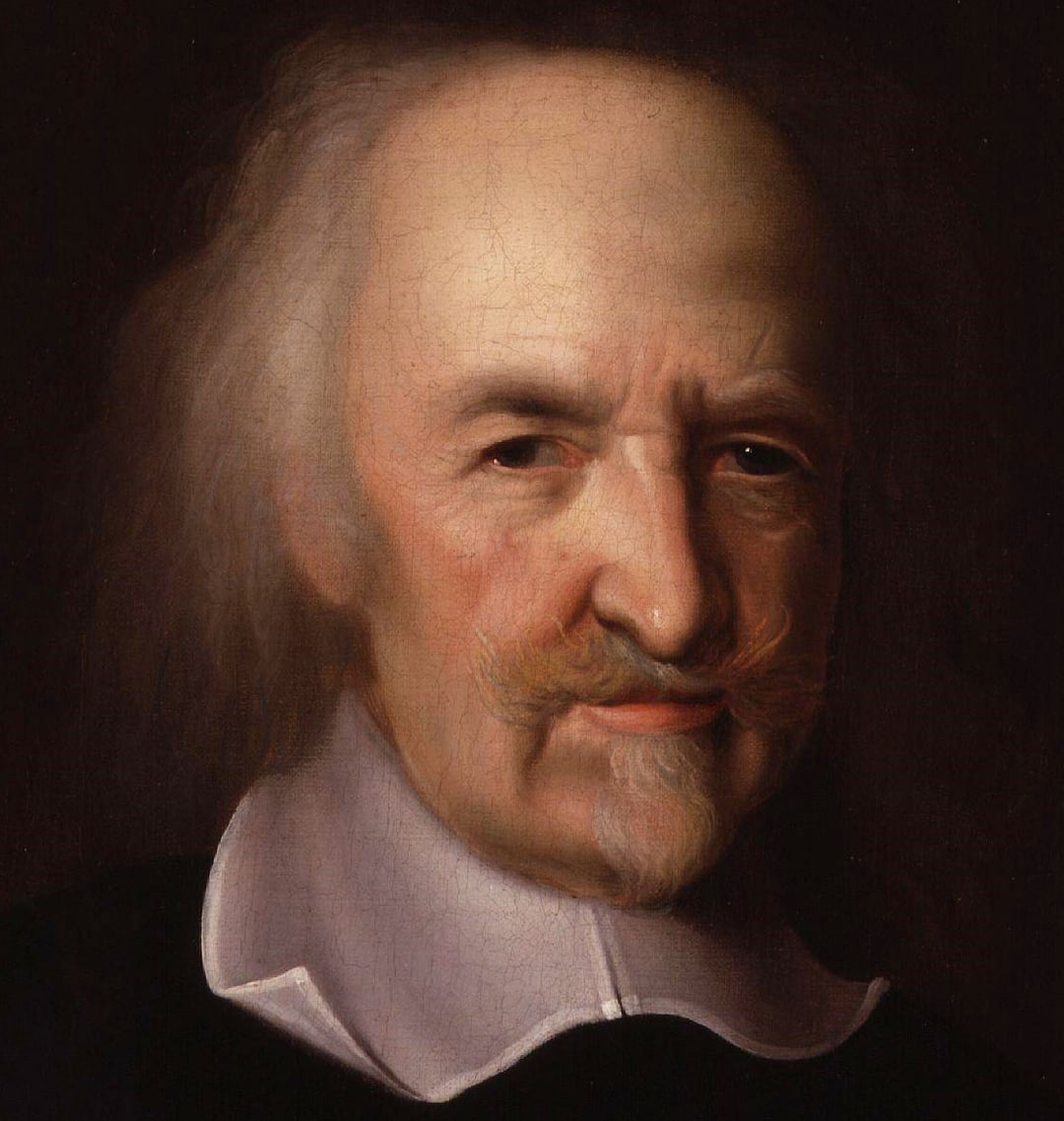
- — Thomas Hobbes (1588–1679). Leviathan: life in the state of nature "nasty, brutish and short" — and the social contract that ends it.
- — Voltaire (1694–1778). The wit of the Enlightenment: tolerance, reason, and "écrasez l'infâme."
- — Jean-Jacques Rousseau (1712–1778). The general will, the noble savage, and "man is born free, yet everywhere he is in chains."
- — Kant: On Metaphysical Knowledge (Wireless Philosophy). A deeper look — part of the history of philosophy.
- — Immanuel Kant (1724–1804). The Critique of Pure Reason and the categorical imperative — the hinge on which modern philosophy turns.
- — Kant & Categorical Imperatives (Crash Course). Duty, the moral law, and acting on universalizable maxims.
- — Kant's Categorical Imperative (deontology). Kantian deontology is about rules and duties. Kant argued for an ultimate moral principle called The Categorical Imperative. It says that one must only act on principles (or "maxims") that could be universalized. This means they must still be rational even if everyone were to use them.
- — Kant pt. 2 — The Actual Introduction (Philosophize This!). A deeper look — part of the history of philosophy.
- — Mary Wollstonecraft (1759–1797). A Vindication of the Rights of Woman — Enlightenment reason turned to equality.
.jpg&w=1080&q=85)