Jagiellonian Era (1386-1572)
Jadwiga marries Jogaila of Lithuania (1386); the Polish-Lithuanian dual state is born. Crushing victory over the Teutonic Knights at Grunwald (1410). Copernicus, Nicholas of Cusa, Polish Golden Age.
Part of Poland
10 moments in this segment.
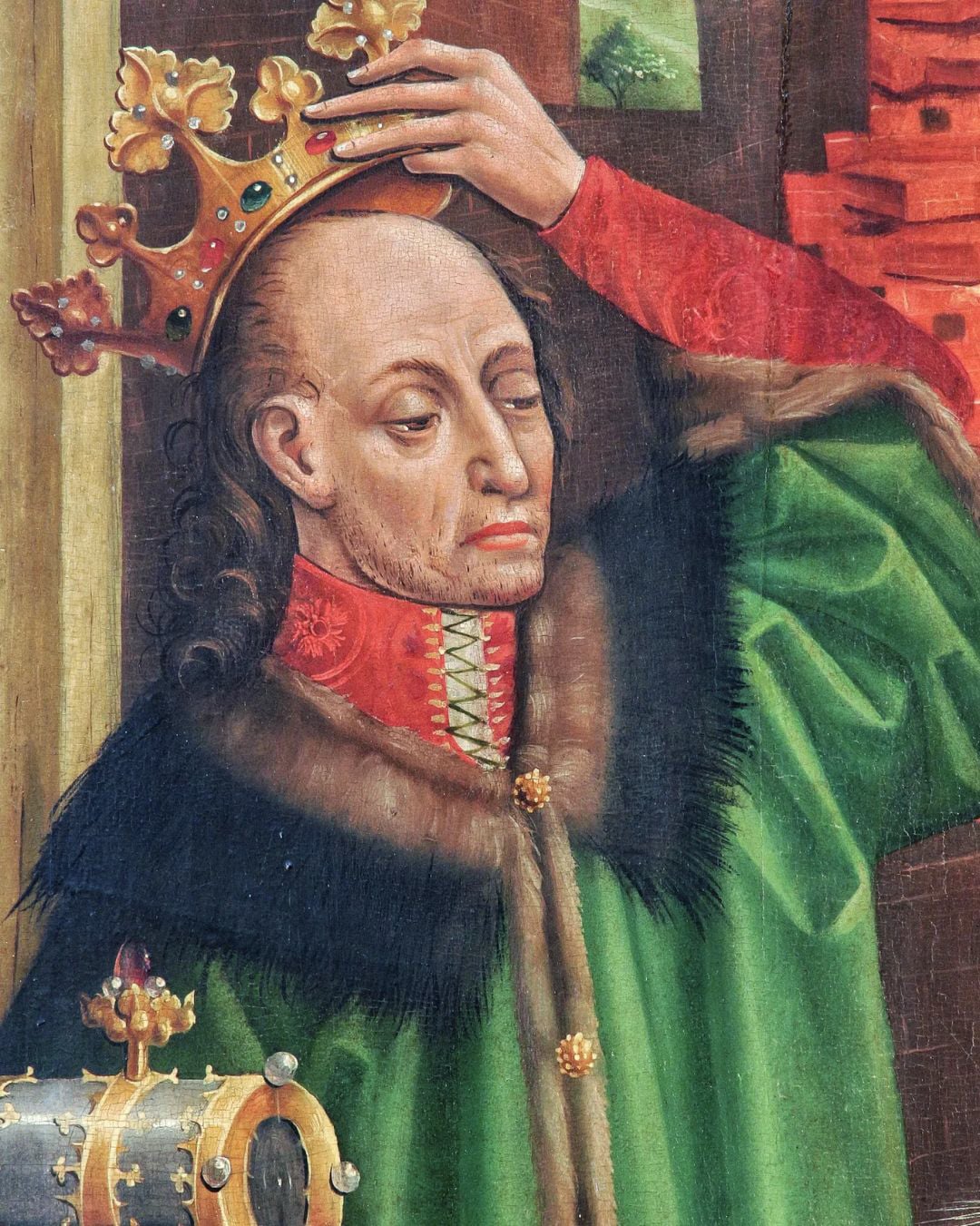
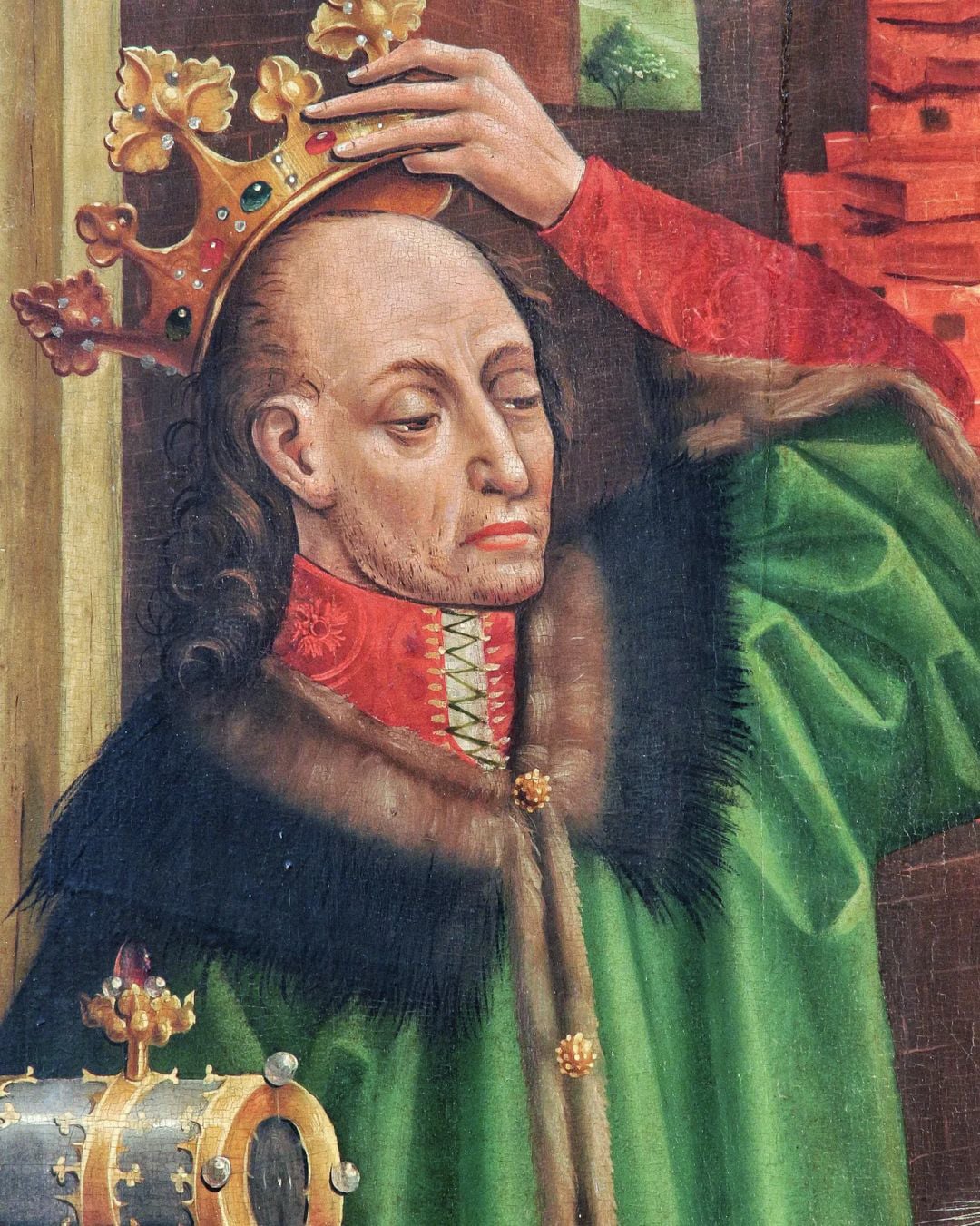
- — Jogaila Baptised as Władysław II. February 15, 1386. Jogaila baptised at Wawel and crowned king on March 4. Founder of the Jagiellonian dynasty; ruled Poland 1386-1434. Lithuania becomes the last European nation to officially convert to Christianity.
- — Battle of Grunwald. July 15, 1410. One of the largest medieval battles in Europe. Polish-Lithuanian army under Władysław II Jagiełło crushes the Teutonic Knights; Grand Master Ulrich von Jungingen killed. Ends Teutonic dominance in the Baltic; the founding national-military memory.
- — Birth of Copernicus. February 19, 1473, Toruń. Mikołaj Kopernik. Canon of Frombork Cathedral. His "De revolutionibus orbium coelestium" (1543) places the Sun at the centre of the universe — the scientific revolution's founding text.
- — Veit Stoss Altar in Kraków. 1477-1489. Veit Stoss (Wit Stwosz) completes the linden-wood altarpiece of St Mary's Basilica, Kraków — Europe's largest Gothic altarpiece. 13m tall; one of the masterworks of late-medieval European sculpture.
- — Sigismund I the Old. 1506-1548. The Renaissance reaches Poland. Sigismund I brings Italian artists to Wawel; his marriage to Bona Sforza (1518) imports Italian cuisine, fashion, and humanist culture. Polish Golden Age begins.
- — Bona Sforza in Poland. April 1518. Bona Sforza marries Sigismund I; brings Italian Renaissance to Kraków. Introduced new vegetables to Poland (tomatoes, cauliflower, leeks — still called "włoszczyzna" / "Italian things" in modern Polish).
- — Zygmunt Bell Cast. 1521. The Zygmunt Bell — 13 tonnes, cast for King Sigismund I — rung only on major national occasions. The aural soul of Wawel Cathedral; rings on every major Polish national event for 500 years.
- — Prussian Homage. April 10, 1525, Kraków. Albrecht von Hohenzollern, last Grand Master of the Teutonic Order, kneels before Sigismund I in the Kraków Main Square. The Teutonic State becomes the secular Duchy of Prussia under Polish suzerainty. The "Prussian Homage" painting by Jan Matejko is in the Sukiennice.
- — De Revolutionibus Published. 1543. Copernicus publishes "On the Revolutions of the Heavenly Spheres" — heliocentric model of the solar system. Copy delivered to him on his deathbed, May 24, 1543. The book that began the Scientific Revolution.
- — Union of Lublin. July 1, 1569. Personal union of Poland and Lithuania converted into a real union — the Polish-Lithuanian Commonwealth (Rzeczpospolita Obojga Narodów). Europe's largest state by area; the Sejm becomes the most representative parliament of any 16th-century European polity.