Mainframes (1945-1974)
IBM defines the mainframe era. The System/360 ships in 1964 and runs the world's back office. Bell Labs invents the transistor and Unix; Intel makes the first microprocessor; Xerox PARC invents the personal computer in the lab.
Part of Technology
17 moments in this segment.
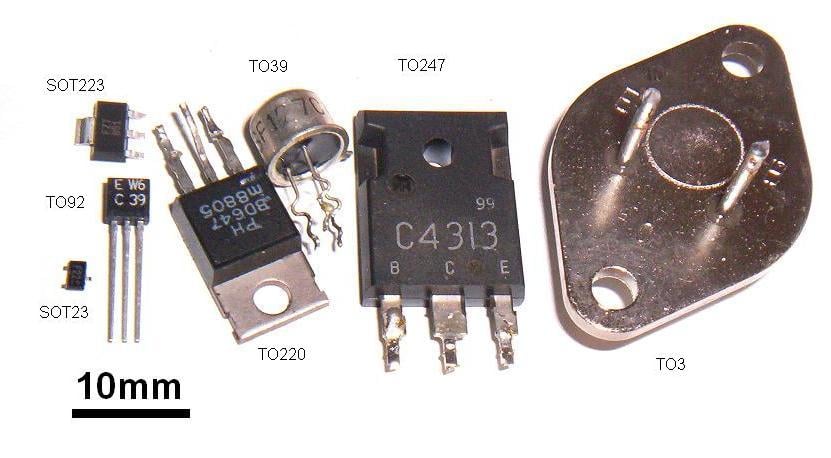
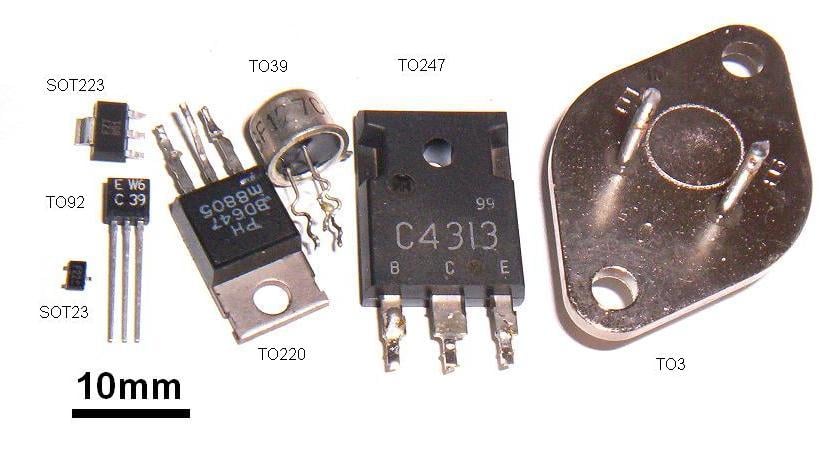
- — Transistor Invented at Bell Labs. December 23, 1947. Bardeen, Brattain, and Shockley demonstrate the point-contact transistor. The end of the vacuum-tube era; the silicon era begins. All three share the 1956 Nobel Prize in Physics.
- — UNIVAC I Delivered. June 14, 1951. The first commercial computer in the United States. Used by CBS to predict the 1952 presidential election; the live broadcast made "computer" a household word.
- — SAGE Air Defense Computer. The IBM AN/FSQ-7 — heart of the SAGE air-defense system. Half-acre rooms of vacuum tubes; the most ambitious computing project of the 1950s.
- — IBM System/360. April 7, 1964. IBM bets the company on the System/360 — a compatible family of mainframes spanning the price range. Defined "computer architecture" as a concept; ran every large business in the world by 1970.
- — Unimate — First Industrial Robot. GM's 1961 deployment of Unimate at the New Jersey Inland Fisher Guide Plant. The first industrial robot to work an assembly line. Famous Johnny Carson Tonight Show appearance.
- — Mother of All Demos. December 9, 1968. Doug Engelbart's 90-minute live demo at SRI — the mouse, hypertext, video conferencing, collaborative real-time editing. Every interactive computing concept of the next 50 years in one session.
- — Intel Founded. July 18, 1968. Gordon Moore and Robert Noyce leave Fairchild Semiconductor to found Intel. By 1971 they ship the 4004 — the first commercial microprocessor — and the chip company that would define the next 50 years of computing.
- — ARPANET First Connection. October 29, 1969. UCLA → Stanford. The first ARPANET message was supposed to be "LOGIN"; the system crashed after "LO." The internet's direct ancestor.
- — Unix Created at Bell Labs. 1969. Ken Thompson and Dennis Ritchie create Unix on a discarded PDP-7 at Bell Labs. The operating system that became the substrate for everything from servers to smartphones; macOS, Linux, Android, iOS all descend from it.
- — Xerox Alto. March 1, 1973. Xerox PARC builds the Alto — the first personal computer with a GUI, mouse, ethernet, and WYSIWYG editing. Never commercialised; Steve Jobs visits PARC in 1979 and takes everything to Apple.
- — Xerox Alto Demo. Archival demos of the Xerox Alto — the GUI, mouse, ethernet, and WYSIWYG editing that Steve Jobs would see on his 1979 PARC visit.
- — Intel 4004. November 1971. The Intel 4004 — first commercial microprocessor on a single chip. 2,300 transistors; designed by Federico Faggin. The chip that started the microcomputer revolution.
- — Apollo Guidance Computer. The MIT-built AGC that landed Apollo 11. 64 KB of memory; software written by Margaret Hamilton's team. The first software ever called "software engineering."
- — DEC PDP-11. Digital Equipment Corporation's PDP-11 — the workhorse minicomputer that Unix was written on. 600,000+ sold; defined the architecture of every computer that followed.
- — Margaret Hamilton on Apollo Software. Late 1960s footage of Margaret Hamilton — first person to use the term "software engineering" — standing next to the printed AGC source code, taller than she was.
- — The Transistor Explained. Archival footage explaining the point-contact transistor — Bardeen, Brattain, and Shockley's 1947 Bell Labs invention.
- — Doug Engelbart Demos the Mouse. Pre-1968 footage of Doug Engelbart prototyping the computer mouse at SRI. The patent was filed November 17, 1970.