Sting — Seven Days
JUL 01 1993 · 12:00
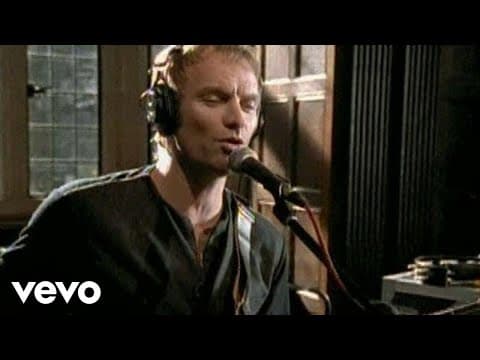
Sting — Seven Days (1993) Director: Doug Nichol Era: Post-New Wave Adult Contemporary (1993) - Peak MTV era for prestige performance videos; adult-oriented rock artists embracing cinematic, studio-based visual storytelling over theatrics. High curatorial value as a confirmed Grammy Award-winning production (Best Long Form Music Video, 1994) directed by a major figure in 1990s music video filmmaking. Represents the apex of early-90s prestige performance video production: cinematic film quality, sophisticated musical content, and a documentary-inflected visual language that prioritized authenticity over spectacle. An essential archival reference for the intersection of adult-oriented rock and MTV's prestige programming tier. Context: Released in April 1993 as the second single from Ten Summoner's Tales, 'Seven Days' arrived during a period when MTV was actively championing prestige adult-oriented rock alongside grunge and hip-hop. Sting's post-Police solo career had by this point firmly established an aesthetic of cultivated musicianship and literary songwriting — a deliberate counter-programming against the era's dominant pop maximalism. The video's intimate performance format, warm film stock, and emphasis on ensemble playing reflects the early-1990s 'unplugged' cultural moment, valorizing craft and spontaneity over spectacle. The song's unusual 5/4 time signature was itself a public statement of artistic seriousness, challenging mainstream radio conventions. Director notes: Directed the music video for 'Seven Days' (1993), part of the broader Ten Summoner's Tales performance film project shot at Sting's Wiltshire estate, Lake House. The long-form Ten Summoner's Tales video — which this single clip is drawn from — won the 1994 Grammy Award for Best Long Form Music Video, produced by Julie Fong. The video foregrounds the band's musicianship, reflecting the song's notable rhythmic complexity: recorded in 5/8 time at 184 BPM. Some broadcast versions omit the opening title card 'Saturday 4 PM.' The performance-centric visual approach aligns with Nichol's documentary cinematography background, prioritizing authentic musician portraiture over constructed narrative.
Source: radarchive.org
Part of RAD Archive · Watch in the documentary