Billy Joel — The River Of Dreams
JUL 01 1993 · 12:00
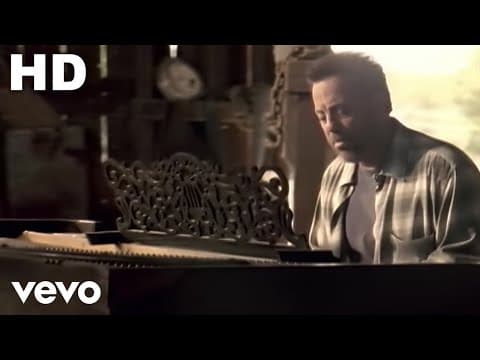
Billy Joel — The River Of Dreams (1993) Director: Andy Morahan Era: Post-MTV Golden Age / Early 90s Adult Contemporary (1993) - Peak-era major-label production at the crossroads of gospel-pop, late-night location cinematography, and the final mainstream chapter of Billy Joel's pop/rock career High curatorial value as a documented closing artifact of Billy Joel's pop/rock era, directed by one of the UK's most decorated music video directors at a career peak. The video's location footage, gospel staging, and naturalistic production quality make it a rich primary source for early-90s adult contemporary visual culture. Its fast editing pace (2.29s avg. shot length) against a warm, restrained palette illustrates the tension between MTV-era kinetic editing and narrative/performance-driven content. A Tier 1 archival asset. Context: Released in July 1993, 'The River of Dreams' arrived as Billy Joel's final major pop/rock single and the lead track from what would become his last rock studio album. The song fused doo-wop, gospel, and adult contemporary pop at a moment when mainstream rock radio was rapidly fracturing under the rise of grunge and alternative. Its chart success—peaking at #3 in the US and UK and #1 in Australia, New Zealand, and on the Adult Contemporary chart—reflected a last flourish for the polished, melodically driven rock of the prior two decades. The video's Connecticut River setting and warm pastoral aesthetic reinforced the song's themes of spiritual searching and middle-age introspection. The 1993 Grammy Awards performance became a notable cultural moment when Joel interrupted the song in protest. Director notes: The music video for 'The River of Dreams' was directed by Andy Morahan and filmed in Connecticut. Documented shooting locations include the Glastonbury-Rocky Hill Ferry, the Western span of the Providence and Worcester Railroad Bridge overlooking the Connecticut River, and sites along the river in Portland, East Haddam, and Old Saybrook. The piano performance scenes were shot in a tobacco barn in South Glastonbury, CT. Producer was Warren Hewlett. Editor was Mark Alchin.
Source: radarchive.org
Part of RAD Archive · Watch in the documentary